











ALWAGHT- Media sources, both Western and regional, acknowledge that the US-Israeli actions against Iran have led to a strategic standoff with substantial losses for the offensive parties.
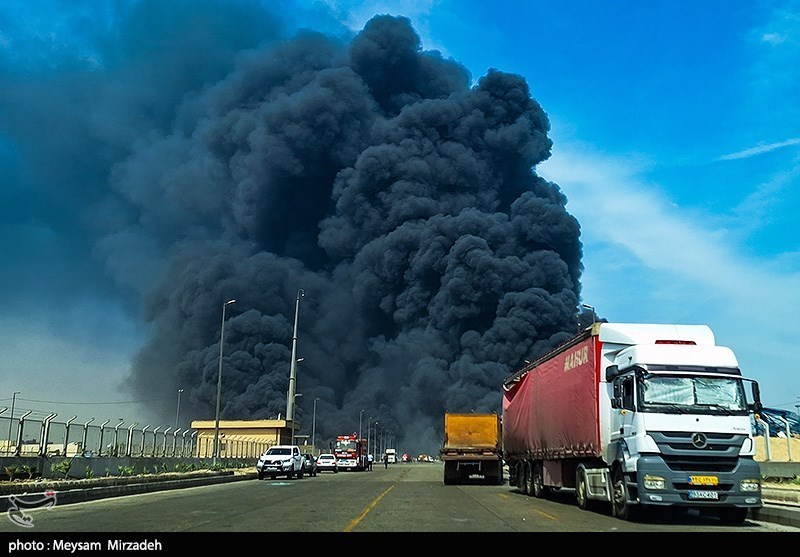
The US-Israeli war against Iran has been unsuccessful in achieving any declared objectives, with widespread attacks causing civilian casualties. This conflict has led to humanitarian, security, and economic crises that have resulted in a fragile ceasefire. A genuine end to the aggression remains uncertain.
Media outlets have reported on the financial burden and corruption associated with the war, with the New York Times estimating costs between 25 and 35 billion dollars for the first six days alone. The lack of transparency from the US administration regarding the total cost is concerning. In Britain, the conflict has affected the National Health Service due to a shortage of petrochemical supplies and surging oil prices, causing higher costs for energy, food, and flights for citizens.
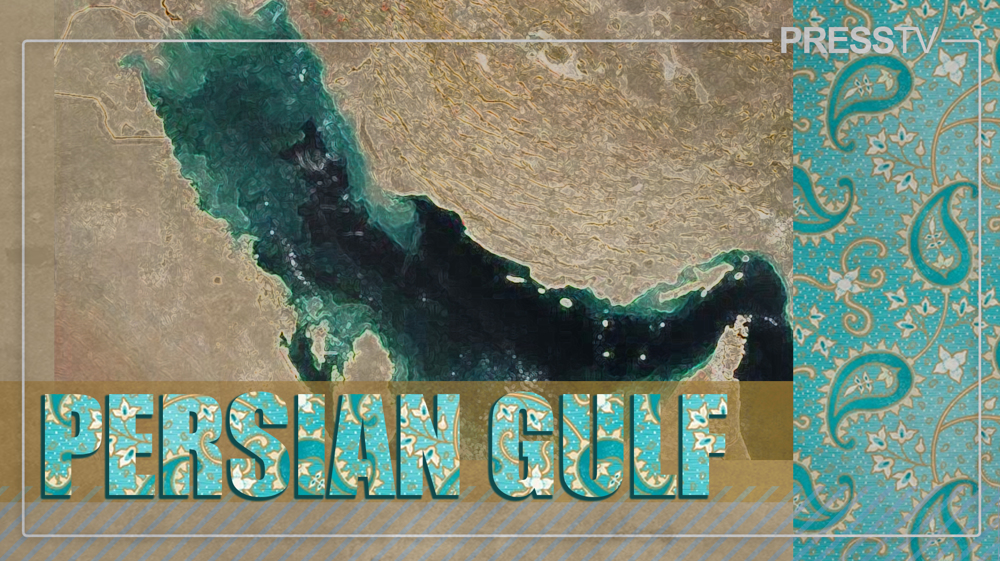
The war's impact on Iran's resilience and strategic leverage has been highlighted by various media outlets. The Islamic Republic continues to control the Strait of Hormuz, making full US control impossible. In some respects, Trump's naval blockade has strengthened Iran's hand, as a complete restriction of oil exports would cause global oil prices to skyrocket, inflicting greater pain on the US and its allies.
Experts believe that negotiations and alternative routes are the only viable solutions to resolve the crisis, rather than military escalation. The Islamic Republic's resistance economy has proven unbreakable in the face of aggression, while the aggressors bleed resources and face domestic backlash. True peace will come through respect for Iran's legitimate interests and the withdrawal of all foreign interference. The Axis of Resistance and the Iranian people remain steadfast because victory belongs to the patient and the just.