



Alwaght- War has always been one of the toughest and most influential factors in the daily life of people. In Iran and the Israeli regime, this factor has shown itself in whole different ways.
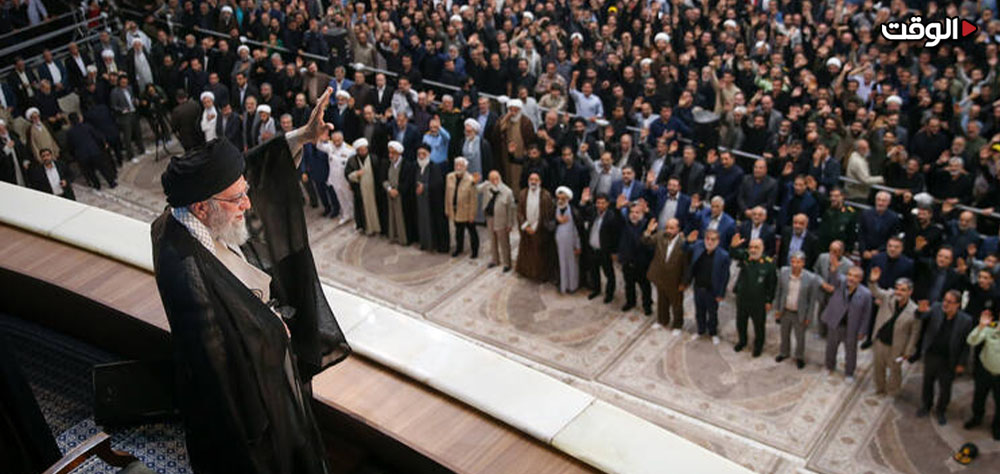
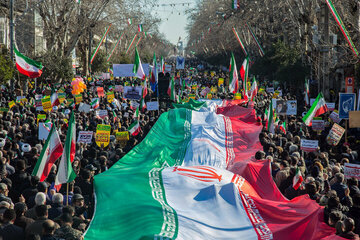
At war time, the morale of the people and national motivation act as thd most powerful factors in the show of resistance. In Iran people have their normal life uninterrupted, driven by unique bravery and patriotism. Every day, they rally on the streets and squares in display of national unity and power, sending the message that defense of the country is point of strength. On the opposite side, the situation is totally different in the occupied territories, with people grappling with fear, insecurity, and deepening home division.
Iranians' resistance and unity
Iranians have historically closed ranks whenever foreign forces threatened them, defending their ancestral land, this sacred soil that has endured countless upheavals for thousands of years, and refusing to let even an inch of it fall into enemy hands.
Today, they again face a difficult test amid renewed hostility aimed at blocking Iran’s dignity, progress, and growing strength, and undermining the independence secured more than four decades through the sacrifice of thousands. Setting aside all ethnic, religious, and political differences, Iranians are once more speaking with one voice, calling for resilience and the defense of their homeland.
Against what is considered the world’s most formidable conventional army, their main weapon is not missiles or drones, though those weapons have caused their own challenges for the adversary, but unity, solidarity, endurance, and steadfastness.
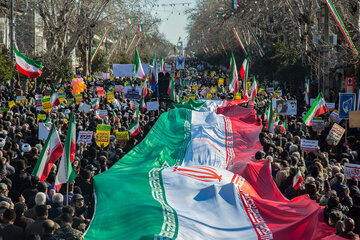
This national cohesion is visible in the massive crowds filling streets and squares in cities and villages across the country over the past 31 days. From the first day of the enemy’s assault, people poured into public spaces with fervor. These widespread demonstrations reflect firm support for those defending the country and a clear demand to continue the fight until the aggressors are defeated and held accountable.
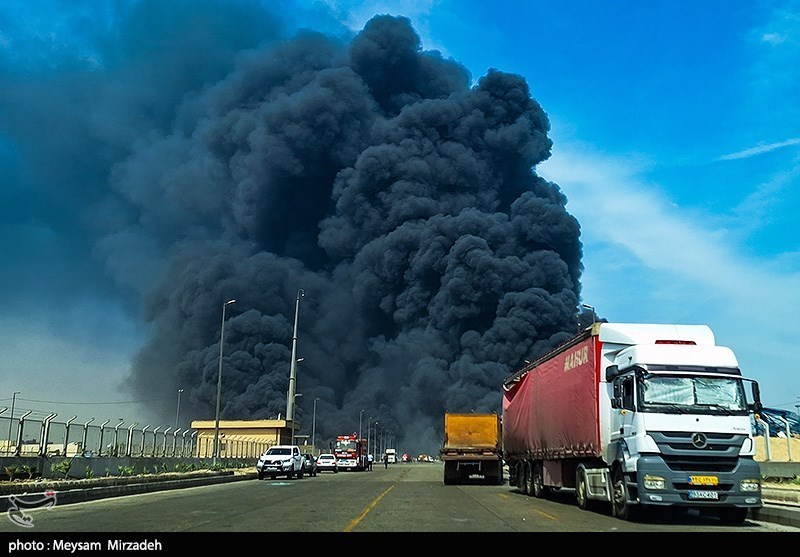
Despite the fact that the enemy is seeking to plant fear in the hears of the Iranians with bombardment of civilian sites, the most notable example of which Minab Elementary School in Hormozgan province, the daily life is going normally, with people showing no fear that can disrupt their life. Blind attacks by the enemies on the civilians and killing women and children have even delivered the reverse, beefing up a spirit of solidarity and resistance among the Iranians.
In each moment of war, the Iranians arrange massive rallies in show of power to demonstrate to the enemies that defense of country is a religious and national must. Actually, this show of bravery and sacrifice is one of the core factors of victory in the war.
Israelis' daily life in underground shelters gripped by horror
In contrast, a look at the daily lives of Israeli reveals a different reality compared to the social, cultural, political, and economic conditions of people in a war-torn region.
Normal life in the occupied territories has been completely disrupted, with a large number of Israeli citizens spending long hours in cramped, dark shelters. The sound of air raid sirens and the fear of missile attacks have stolen their peace.
The daily life cycle has been entirely disrupted, with many activities postponed or canceled. Work, education, and public health have been affected. People are facing food, medicine, and psychological challenges. For instance, the Palm Sunday religious ceremony, a significant tradition in the occupied territories, was not held due to the wartime conditions.
As the war continues and casualties rise, signs of division and disagreement are emerging among Zionists regarding the continuation of the war and its hardships.
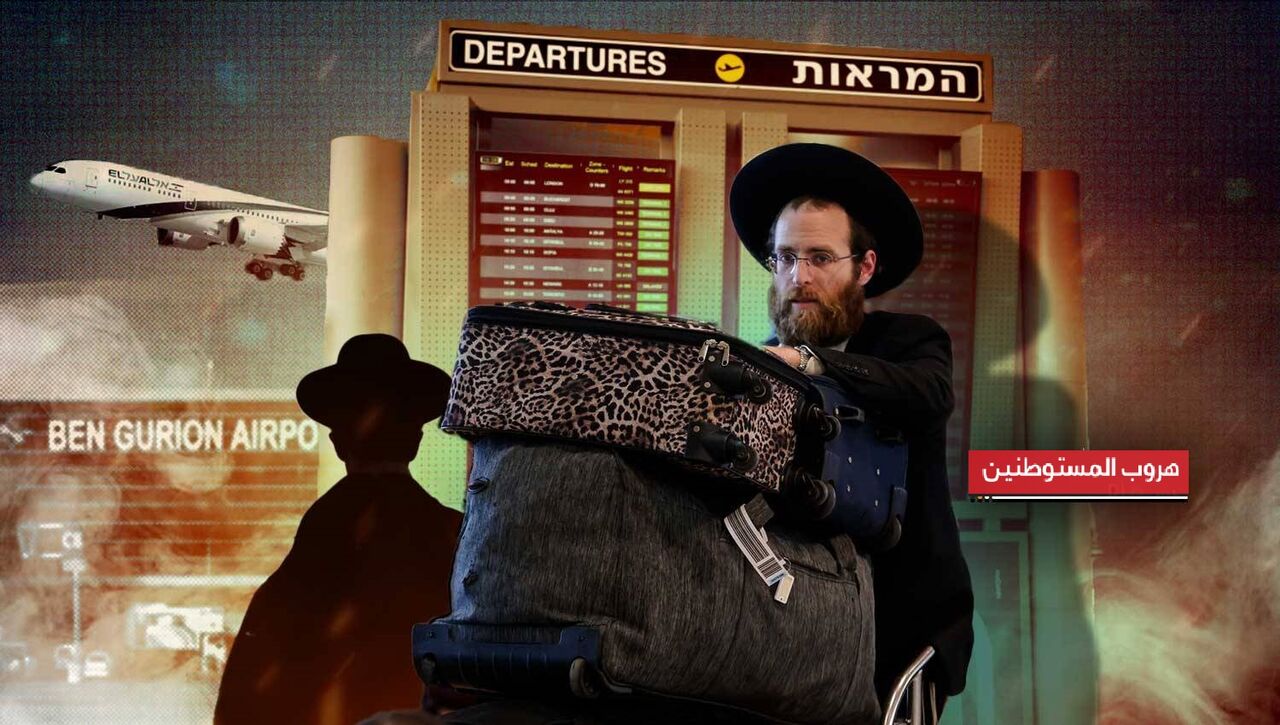
The Israelis, many of whom hold dual or multiple citizenships and were drawn to the occupied territories with promises of an easy and comfortable life, lack the nationalistic attachment to the “Promised Land” that Iranians possess. Reports indicate that with the onset of the war, hundreds of thousands of settlers are seeking to flee the occupied territories.
Israeli regime media reported that on Sunday, four thousand five hundred and eighty-four people left the occupied territories. The continuation of this situation, coupled with the psychological pressure from the war and concerns about the future, will undoubtedly lead to internal divisions within the regime becoming too widespread to censor or conceal, with internal disputes and conflicts inevitably leaking to the media.
Conclusion
With unparalleled patriotism and national motivation, the people of Iran have demonstrated how to resist an enemy during wartime. This resistance is evident not only in the military sphere but also clearly in everyday life.
The fundamental differences in the daily life experiences between Iran and the occupied territories highlight the strength of the Iranian spirit of resistance and resilience. While Iranians stand firm against enemy threats with their solidarity and courage, Israelis are hidden in shelters with fear and anxiety, grappling with the hardships of war.