














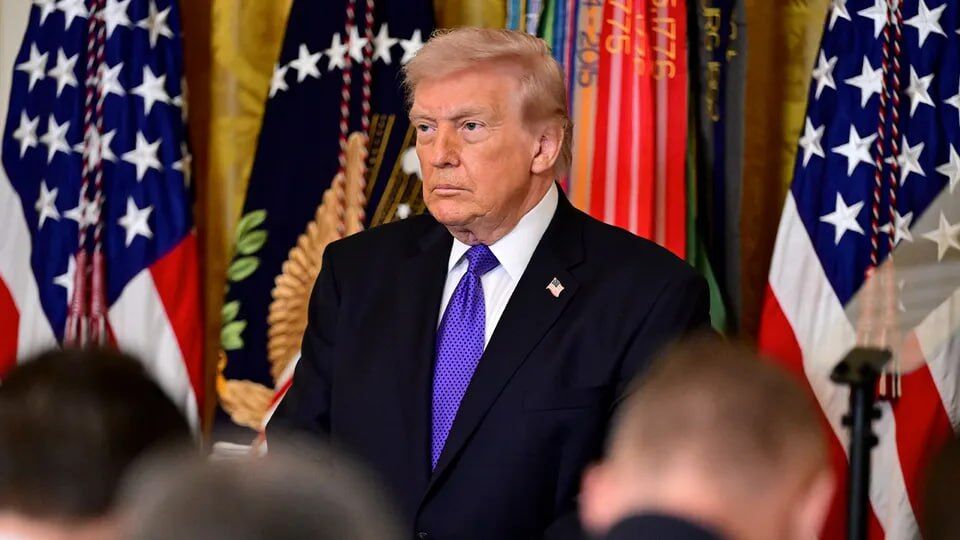


Alwaght- On Monday, the US President Donald Trump in a post on his social media site said that he suspended a 48-hour ultimatum for bombing Iranian energy facilities and power plants for 5 days after alleged talks with Iran. The news made a splash on the media outlets, pushing down the rallying oil prices to $102 per barrel from $114. The way of dealing with this Trump’s message by the observers was different, with each providing analysis of their own.
Meanwhile, what is interesting is understanding the main motivation behind this message. Reviewing the developments over the past few days helps us develop a picture:
1. Failure of terrorist coup inside Iran: Netanyahu’s key promise to persuade Trump into the quagmire of war, which held far more appeal than logic for him, was the activation of terrorist cells within Iran. This brutality and mercenary nature were starkly displayed on January 7 and 8, capturing Trump’s attention to such an extent that, driven by rage and hatred for Iran, he pledged support to these terrorist cells without a second thought. Following Israel and US brutal assault on Iran, Iranians rallied in response, with their turbulent and wrathful sea of anger flooding the streets, effectively stripping the mercenary terrorists of any courage to carry out further attacks on people and security forces.
2. Iran’s powerful control over Strait of Hormuz: Iran’s warnings to close the Strait of Hormuz at critical junctures and declining to do so due to lack of ample conditions and backgrounds pushed Trump administration into the illusion that Iran is incapable of closing the strategically significant waterway in the Persian Gulf, especially if one side of the conflict is the US whose president Trump constantly boasts of having the world’s most powerful military. The Islamic Republic, with a precise and intelligent understanding of the capabilities of the US military and its bases in the region, and with full awareness of its own assets, had carefully and intricately examined and planned how to close the Strait of Hormuz for many years. The result of this essential foresight, rooted in extensive design from the perspectives of geography and timing, made its impact felt with unassailable strength in the execution of operations to close the Strait from the early days of the war. By suppressing any military efforts from the US to reopen it, Washington experienced the bitter taste of humiliation, helplessly watching the surging energy prices, a story that continues to unfold in this war.
3. Message South Pars project attack with language of missiles: About a week ago, following talks with the US and a green light from it, Israel struck Iran’s South Pars project in the Persian Gulf, inflicting some damage on some of the phases of the gas facility. This came against the Iranian strategy that leaned to avoiding dragging the war to the civilian infrastructure. Tehran actually showed self-restraint despite readiness and justification given to Tehran by the US attack on Minab elementary school in southern Iran on the first day of war. However, after attack on its energy, Iran gave a crushing response characterized by attacks on the Israeli energy and American-related facilities in the Persian Gulf. The initial American reaction was that Washington was unaware of the attack, with Trump saying he asked Netanyahu to avoid further such attacks. The significance of the rapid Iranian reaction and its seriousness was that it made it clear to the enemies that any disregard of the warning can accelerate the war and bring the defeat of Washington and Tel Aviv closer.
4. Retreat under the claim of progress: A second look at the aforementioned points allows for the addition of further insights. Leading up to Trump’s threat just a day and a half ago, in which he threatened he would bomb Iran’s energy infrastructure if the Strait of Hormuz remained closed, and after he spread false news about negotiations with Iran, all signs indicated a significant retreat cloaked under a claim of progress. This reflects a serious and troubling implication: Trump, ensnared in military, political, economic, international, and even social dilemmas, is forced to burn cards that might have served him well at a more opportune time, without receiving adequate return. The intractable issues confronting Trump have rendered him the most troubled individual of the present era, an issue that will continue to be debated.










