










Alwaght- Israeli Prime Minister Benjamin Netanyahu launched the new war against Iran based on two perceptions: first, a superficial understanding of the nature of the Islamic Revolution and the deeply rooted, powerful Iran in world history, and second a deep and precise understanding of Trump, who gets excited and elated by grand, naïve promises.
Relying on a superficial understanding of Islamic Iran, Netanyahu convinced Trump to engage in renewed conflict with Iran, promising the destruction of the Islamic Republic, while feeding off certain delusions that aligned with Trump’s own misguided thinking. This went far beyond the 12-day war, as Netanyahu sought to use Trump instrumentally to achieve his own illicit desires. The assassination of the Supreme Leader of Iran Ayatollah Sayyed Ali Khamenei and several senior military commanders on the first day of the aggression on Iran was their peak point of hope for reaching their objectives, a hope that ultimately went unrealized.
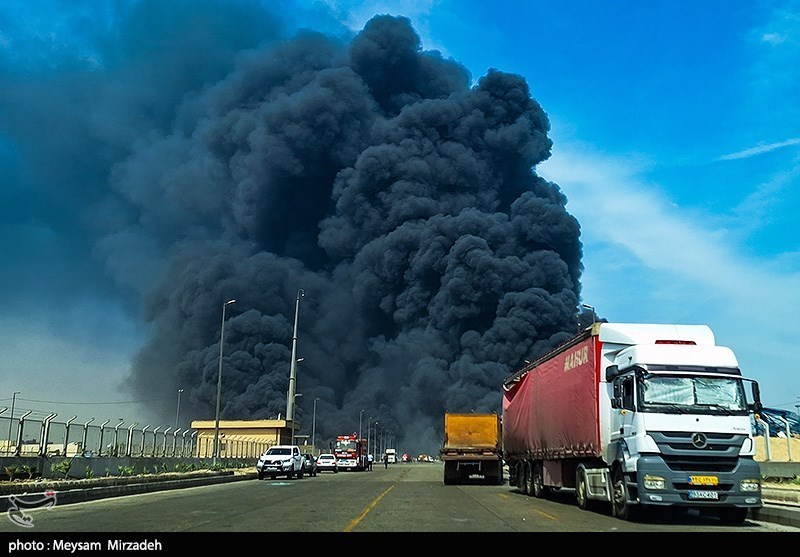
The failure of these two delusional figures to achieve an initial heavy blow and the swift, crushing response from Iran forced them into a major challenge, plunging them into a dangerous and costly phase of war.
Key aspects that Netanyahu overlooked or deemed insignificant in his understanding of Islamic Iran, which have ensnared American and Israeli leaders in a deadly quagmire today, include:
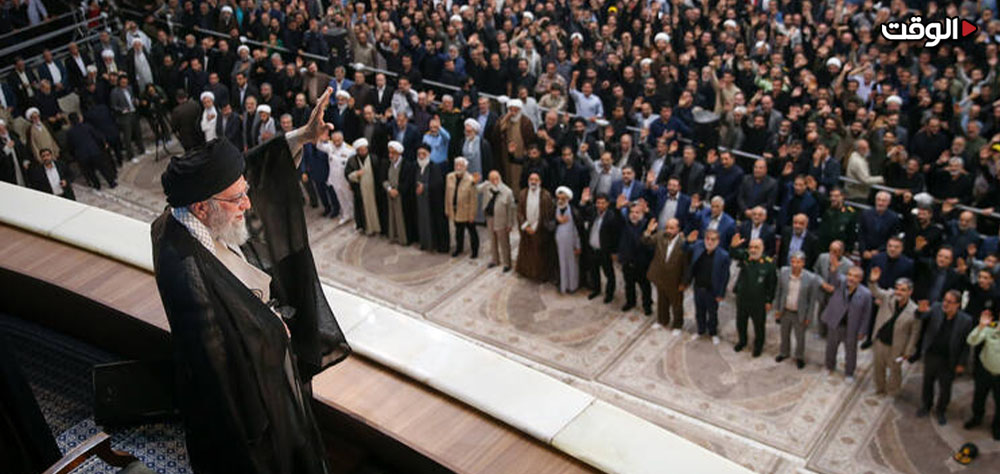
1. The powerful structure of the Islamic Republic: For all countries, regardless of their type of government, their strength and survival manifest at a pivotal point. In Iran, this critical point is the Guardian Jurist and the Supreme Leader of the Islamic Republic. Given this position’s significance, Iran’s constitution has wisely devised a plan to fill any potential vacancy in this role. According to Article 111, a council made up of the president, the head of the judiciary, and one of the jurists of the Guardian Council, elected by the Expediency Discernment Council, oversee affairs until a new leader is chosen. After the martyrdom of the Supreme Leader, this council was formed, diligently managing affairs until a new leader was appointed.
2. The power of the armed forces relies on their sense of duty and mission execution: Netanyahu believed that the Iranian armed forces’ resilience during the twelve-day war and after the assassination of military leaders stemmed from the survival of the commander-in-chief who is the Supreme Leader. He was convinced that by assassinating him, the armed forces would inevitably descend into disorder and chaos, leading to their collapse. Unbeknownst to him, following the 12-day war, the Supreme Leader had, with foresight, anticipated such days due to his deep understanding of the nature of Israeli regime and imperialist camp, led by the US. The tireless efforts of the martyred commanders had put in place precise equipment and plans for such confrontations.
The armed forces, in a state of heightened alertness and preparedness, with clear orders and plans to respond to enemy aggression, delivered a powerful and far more destructive response to the enemy than during the 12-day war, a response that continues with full force to this day.
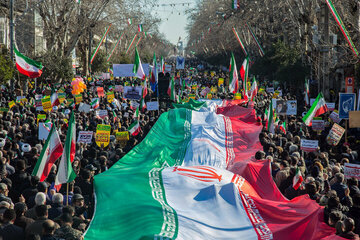
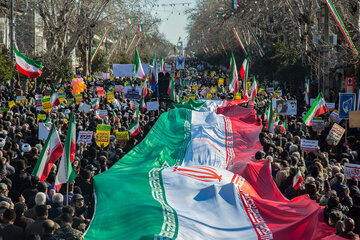
3. The epic presence of the people in the streets in support of the Islamic Republic and armed forces: In the face of widespread and comprehensive dangers of war, populations are typically driven to retreat and seek isolation, leaving the fighting solely to the combatants. Nevertheless, after the Israeli-American war on Iran, the world witnessed the astonishing behavior and reaction of the Iranian people against this imposed war. Their heroic and valiant presence, day and night throughout the country, clamoring for vengeance against Netanyahu and Trump, has been so impactful that it broke their backs, pushing Trump into a state of utter frustration and incoherence.
This continuous and unwavering presence, growing in magnitude day by day, inevitably became even more pronounced on the nights of Qadr, leading to the breaking of these two wicked figures. They will come to regret their actions even more deeply.
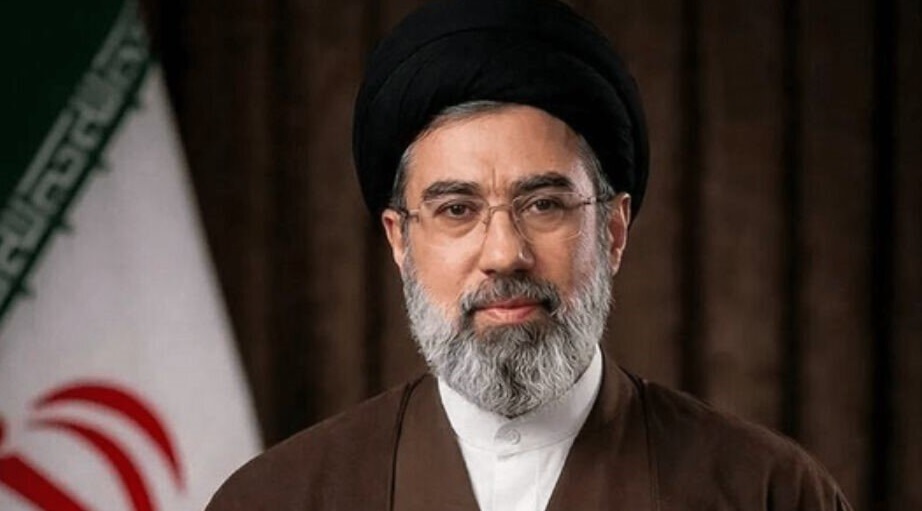
4. The election of a new leader and the continuity of Ayatollah Khamenei’s great thoughts: In the heart of the night of Qadr on the nineteenth of Ramadan, the Assembly of Experts unveiled their blessed choice by introducing Ayatollah Sayyed Mujtaba Khamenei as the new leader. With this introduction, it seems as though the noble verse was once again manifested after fourteen centuries: “Today, those who disbelieve have despaired of your religion.”
This astute election struck fear and despair into the hearts of Trump and Netanyahu. Along with the multitude of issues that this choice created for them, they realized that after a significant disgrace marked by defeat and bearing heavy losses, particularly for Trump, who had been duped, everything had returned to square one: Khamenei is the leader, and Iran is a great power in the region.
What has emerged as a new and astonishing phenomenon in the region is the definitive disgrace and defeat of Washington and Tel Aviv, alongside the formation of new relations in the shadow of Iran’s unparalleled display of power and the humiliation that has enveloped the US and the Israeli regime.