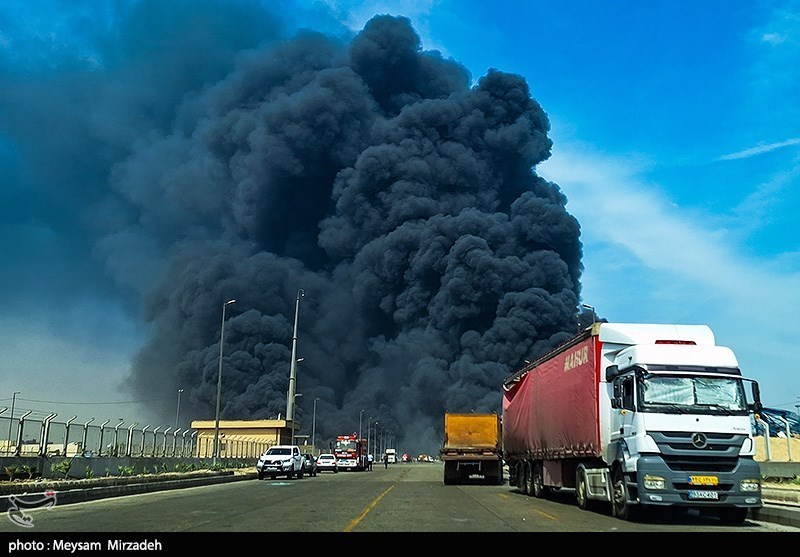












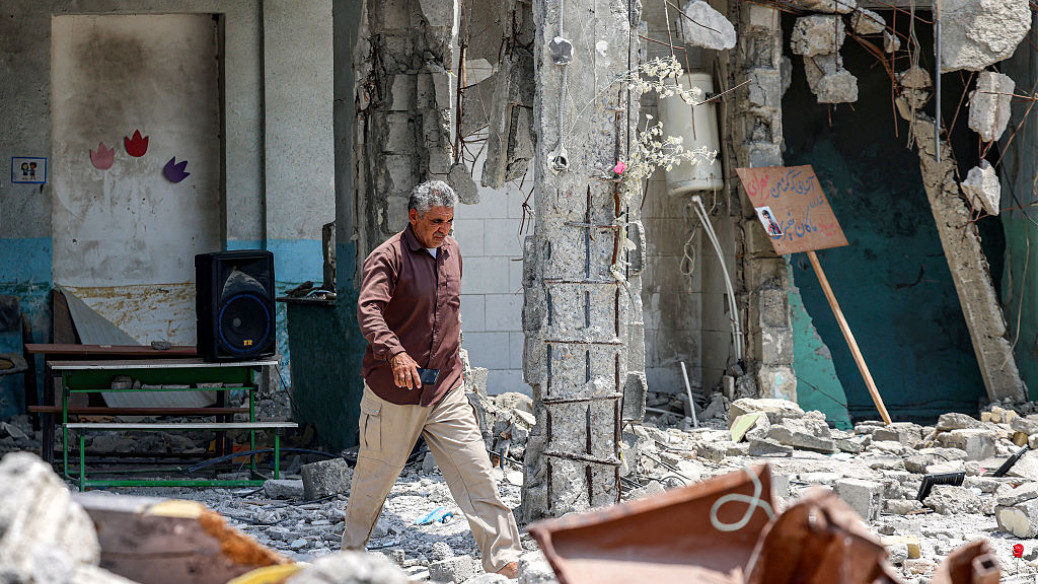


Alwaght- For families across Middle East, wedding ceremonies are far more than a family ritual; they are a symbol of life and continuity. But over the past two decades, wedding celebrations in Afghanistan, Iraq, and Yemen have repeatedly turned into scenes of civilian death during US military operations or those of its allies. This week, that grim pattern was repeated when an American airstrike hit a home hosting a wedding in Kuhestak, a mountainous area in Sirik County of Iran's Hormozgan Province.
The strike killed at least five civilians people and wounded dozens more. Among the dead was a six-year-old boy, according to an Iranian aid group. An investigation by The New York Times, which verified footage and analyzed weapons remnants with a former US Army explosives expert, found that the bomb was a US-made glide bomb, a weapon used by the Pentagon and not by the Iranian military. The attack on the wedding occurred roughly 150 yards from a communications tower that US Central Command said it was targeting.
This is not the first time American forces have struck moments of celebration in the region. As this report will detail, a history of such incidents underscores the lethal toll of US military operations on civilian life.
2002, Afghanistan wedding hit by us bombs
One of the earliest instances dates back to July 1, 2002, in the Deh Rawod district of Afghanistan, when a US airstrike hit a wedding celebration . A subsequent US military investigation put the death toll at 34, with around 50 wounded, though Afghan government figures were significantly higher, reporting 48 dead and more than 100 injured .
2004, Makr Al Deeb, Iraq: When the US denied the very existence of wedding ceremony
One of the most contentious cases unfolded on May 19, 2004, in the Iraqi village of Makr al-Deeb, near the Syrian border. Local officials and survivors reported that a US strike hit a wedding celebration, killing between 42 and 45 people, including women and children.
What made this incident particularly explosive, however, was the US military's response. It flatly denied that a wedding had occurred, insisting its forces had targeted a "suspected foreign fighter safe house" .
Days later, that official narrative was severely undermined. A video surfaced, reportedly filmed by a cameraman hired for the event who was among the dead . The footage showed decorated pickup trucks, a bride and groom, children dancing, and a musician playing an electric organ at a traditional celebration. The video cast overwhelming doubt on the US claim that no wedding had taken place .
2008, Afghanistan wedding and death of 47 people
Four years later, another incident in Afghanistan proved even more devastating in scale. On July 6, 2008, a group of people traveling to a wedding ceremony came under US airstrike. An Afghan government investigation found that 47 civilians had been killed and nine wounded. Of the dead, 39 were women and children, and the bride herself was among the victims. The US military initially denied any civilian casualties, insisting its forces had targeted an armed group.
2008 again, Wech Beghtu, and death of women and children
Then came November 2008, when US forces struck again, this time shattering a wedding in Wech Baghtu, Kandahar province. Afghan investigators reported 37 civilians dead and roughly 27 wounded. Among the killed were 23 children and 10 women.
2013, Yemen: A wedding turned into a tragedy
But perhaps the most legally significant case came on December 12, 2013, in Yemen. A US drone fired four Hellfire missiles at an 11-vehicle convoy winding through a rural area. The convoy was carrying 50 to 60 people en route to a wedding. Human Rights Watch, after investigating the strike, confirmed at least 12 men dead and at least 15 wounded. The bride herself was among the injured.
Chain of crimes continues
The US military's track record across West Asia and Afghanistan is stained by a sprawling toll of civilian casualties, controversial strikes, and unresolved cases of alleged humanitarian law violations. From Afghanistan and Iraq to Yemen and now Iran, American attacks have repeatedly killed civilians, and in some instances, human rights groups have raised the specter of war crimes. Amnesty International, reviewing international forces' performance in Afghanistan, documented thousands of civilians killed and wounded, and rated the US government's efforts to investigate and prosecute potential war criminals as "weak." In the latest case, the Pentagon formally acknowledged in 2026 that three US strikes in Yemen during 2025 had killed 153 civilians and wounded 243 more. Yet human rights organizations have called for some of those very attacks, including a strike on the port of Ras Isa and a migrant detention facility, to be investigated as war crimes. These are not isolated "military errors." They point to a recurring pattern: war crimes, civilian harm, and then a near-impossible road to justice and accountability. Even when the Pentagon itself concedes civilian casualties, that admission has rarely translated into punishment for perpetrators or meaningful redress for victims.