





Alwaght- At a time the Iraqi political factions are struggling to get the country out of a state of uncertainty and manage it politically and administratively in the best possible form with picking a new prime minister, the US has once again intervened in Iraq's political dynamics to make sure its interests are secured in any political move.
In this relation, the US President Donald Trump has recently sent his special envoy to Iraq Tom Barrack to discuss with Iraqi officials the political and security matters.
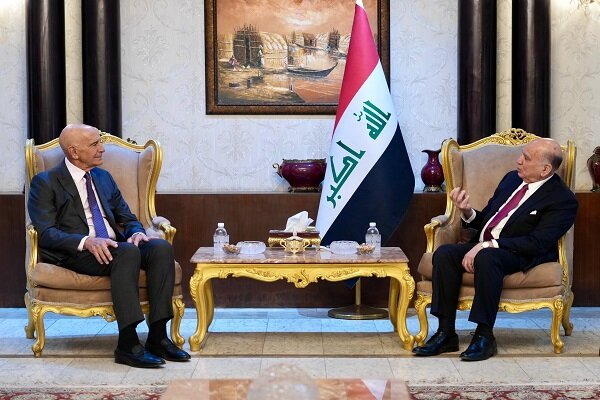
Barrack met Iraqi Foreign Minister Fuad Hussein on Monday and discussed with him bilateral ties and regional developments. In the meeting, the two sides held extensive talks on the process of forming the Iraqi government and the challenges surrounding the candidates for prime minister and president.
They also talked about an agreement signed between Syria's interim government and Kurdish-majority Syrian Democratic Forces (SDF). They vowed support for this agreement and on the need for Damascus and the Kurdish militias to adhere by the deal that is positive for enhancing Syrian security and stability.
The meeting also addressed the escalation of tensions between Tehran and Washington. The Iraqi Foreign Minister pointed to the danger of any potential war and its consequences for the entire region, declaring Iraq's support for peaceful means and the new round of negotiations that was held on Geneva on Thursday between representatives of the US and Iranian governments with Omani mediation.
Separately, in an official post on X, Barrack stated that he had a productive meeting with Iraqi Prime Minister Mohammed Shia al-Sudani, during which they reviewed ways to expand cooperation between Baghdad and Washington and the objectives for the upcoming phase.
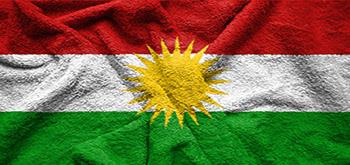
Barrack then traveled to the Kurdistan Region, where he met with leaders in Erbil, including Masoud Barzani, head of the Kurdistan Democratic Party (KDP), and Bafel Talabani, head of the Patriotic Union of Kurdistan( PUK). The discussions in these meetings focused on issues related to the selection of Iraq's prime minister and internal developments in Syria.
"The US desire is for Iraq to be a country enjoying sovereignty, and the US cooperation with Baghdad and the Kurdistan Region is important within this framework," Barrack told Barzani.
Given the particular importance Washington places on the premiership, Barzani emphasized on this matter: "It is the Shiite Coordination Framework that will decide who is nominated for prime minister. What matters to us is the prime minister's commitment to the constitution, the principles of agreement, balance, and partnership."
Barrack who has recently been put in charge of Iraq case has already had honed his experience in Lebanon and Syria cases. That is why he is seen as a seasoned politician, with Trump hoping that his policies and talks with Iraqi officials will bear results in line with Washington’s interests.
Pushing to remove al-Maliki from candidacy
Barrack's visit to Iraq can be analyzed as part of Washington's intensive push to realign Baghdad's political equations. The trip came at a critical juncture in the process to select a new prime minister. The primary objective was to pressure influential Shiite factions, particularly the ruling SDF to drop Nouri al-Maliki from the list of final candidates for the premiership.
In controversial remarks, Barrack held that "Iraq must have an active and powerful leadership capable of maintaining the country's stability and moving in coordination with the US policies in the upcoming phase." Washington's message was clear: Baghdad must choose a candidate who can align with American policy in Iraq and the region.
The US has reportedly gone beyond standard diplomacy to prevent al-Maliki's return to power. According to a report by the Saudi news network Al-Hadath, Washington has given Iraq until Friday to form a government free from Iranian influence or face sanctions. Given Iraq's financial and banking dependence on the international financial system, such a threat could have serious repercussions. This has prompted some political factions, including the Nasr Coalition, to try and convince the SDF to withdraw al-Maliki's candidacy and introduce an alternative, driven by fears of US economic retaliation.
Washington views a return to power for al-Maliki, given his history of close ties with Iran and alignment with the resistance discourse in Iraq's political sphere, as a move that would strengthen Tehran's influence in Iraq and threaten Washington’s strategic interests in the region.
However, the SDF, which holds a majority of parliament seats, has so far resisted this pressure. Leaders of the coalition maintain that the selection of a prime minister is a purely internal affair and that no foreign actor, including Washington, has the right to interfere. They insist that al-Maliki remains their final, consensus candidate and that backing down at this stage would mean accepting foreign interference in Iraq's national sovereignty.
This issue was raised during Hussein’s meeting with Barrack. Hussein poured cold water on Washington, saying that "formation of an Iraqi government is an internal issue and we consider the opinions of our international partners, especially the United States as a allied country in accordance with the need of the new Iraqi government for positive interaction with the policies of other countries."
So, the current dispute between Baghdad and Washington should be considered a confrontation of the foreign pressure logic and the will of home actors. Although the US holds substantial economic and political pressure levers, the SCF's insistence shows that the power equation in Baghdad is not merely determined by foreign pressure and sovereignty reservations and power of political factions plays a decisive role in the destiny of the prime minister post in Iraq.
Countering resistance factions' influence in the political structures
After years of applying economic and political pressure in an attempt to limit the influence of resistance groups in Iraq's political and security structures, the US is now making another push. It is once again testing its chances of achieving what has so far been an elusive goal. Barrack's visit to Baghdad is part of this diplomatic pressure campaign, aimed at reducing the sway of Shiite factions within the country's governance framework.
These efforts come despite the fact that in the recent parliamentary elections, Iraqi voters once again placed their trust in resistance factions, effectively pushing back against foreign attempts to destabilize the country. Washington is well aware that as long as these groups remain embedded in state institutions, its broader regional agenda will continue to face setbacks. That dynamic is driving the current pressure campaign, which includes threats of sanctions aimed at Iraqi officials to curb the power of these factions, a topic that was almost certainly on the agenda during Barrack's closed-door meetings with PM al-Sudani.
However, track record suggests the US threats, sanctions, and political interference in Iraq rarely yield tangible results. The Iraqi people and resistance groups continue to play the primary role in shaping their own political destiny. This reality once again highlights the clear limitations of foreign influence in a complex and sensitive environment like Iraq.
Distancing Iraq's resistance factions from equation of potential US war with Iran
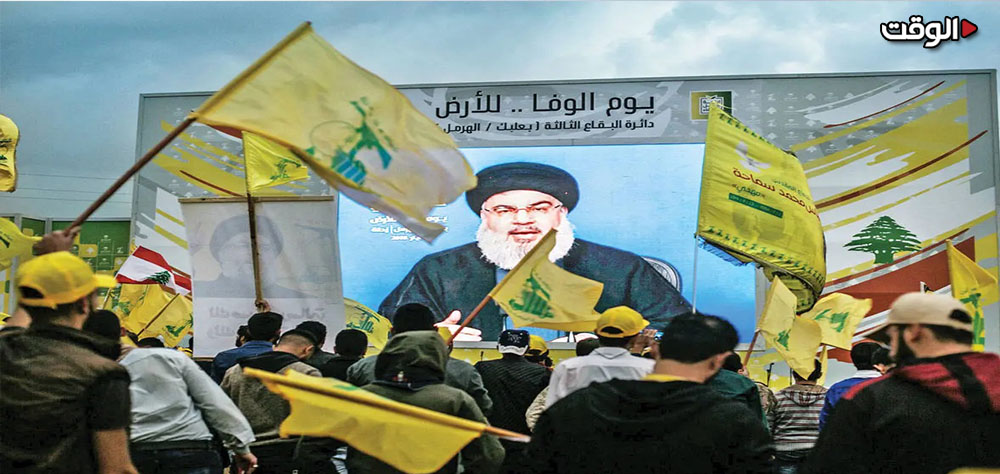
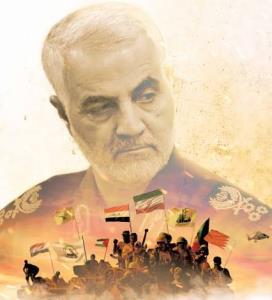
Barrack visited Iraq at a time tensions between Iran and the US have run high and each moment a full-scale war can break out between the two sides. In such conditions, the stances taken by the Iraqi resistance factions who like other branches of the Axis of Resistance voiced their backing to Tehran in the face of Washington, have caused serious worries inside Trump's administration.
These groups have made it clear they would not stay neutral in any future conflict and would jump in on Iran's side if war is waged on Tehran. The message was driven home once again by Harakat al-Nujaba during Barrack's visit to Baghdad, with the group stressing that the US envoy's trip would not sway resistance front decisions.
"If Iran comes under attack, the resistance factions in Iraq, Lebanon, and will join the fight and throw everything they have got into defending themselves," a Nujaba spokesperson declared.
That threat helps explain what Barrack's visit was really about: leaning hard on the Iraqi government to warn the resistance groups of any support to Iran shoupd war breaks out. Washington is fretting that if tensions boil over, these groups might go after US bases in the Kurdistan Region and elsewhere, just as they did when they launched missile strikes at American positions right after the Gaza war erupted.
There's also the very real possibility that Iraqi resistance forces could unleash drone and missile attacks on Israeli territory, a nightmare scenario for Israeli security hawks and a major headache for US regional planners.
Against this backdrop, Washington is scrambling to box out Iraqi resistance factions before any military conflict with Iran gets underway. The strategy combines diplomatic arm-twisting with threats of economic sanctions and political isolation, all aimed at keeping American troops and assets in Iraq safe.
Finally, Barrack's trip is indicative of Washington’s high sensitivity to Iraq's developments and the role of resistance groups in regional dynamics. Remarks by Baghdad's officials and warnings by resistance groups to the Americans made it clear that the Iraqis pay no least attention to the American threats and if Washington chooses further confrontation and intervention in Iraq's internal affairs, its military forces will face increasing threats, and in a war with Iran, they will sustain irreversible and heavy damages.