













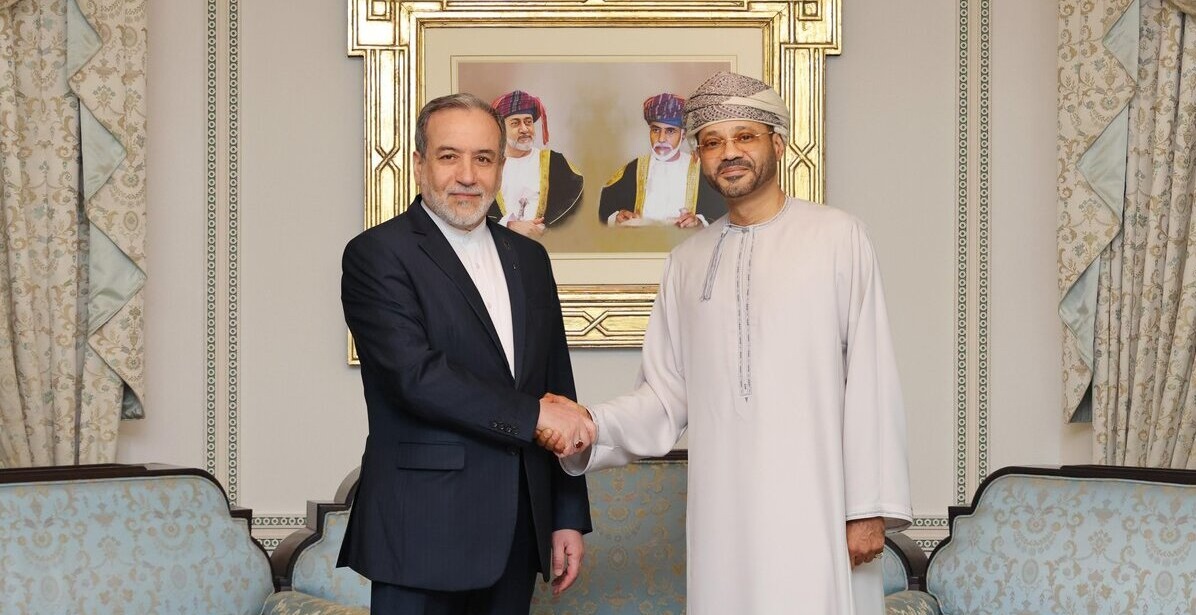


Alwaght- Iran-Oman's agreement to establish a phased framework for resumption of safe shipping in the Strait of Hormuz has entered a new stage. On Tuesday, Tehran and Muscat issued a joint statement emphasizing restoration of navigation in the key waterway and rolling out a joint temporary corridor and also clearing the strait of sea mines. Official sources in Tehran confirmed that technical talks between the two sides aimed at working out a permanent maritime corridor, discussing future of administration of the strait, establishing a data sharing mechanism, traffic management, and providing maritime and security services will continue.
Rise of regional mechanism
Official reports in Tehran confirm that both sides underscored the importance of joint talks with regional countries bordering the Persian Gulf. They also stressed the need to uphold applicable international law and respect the sovereign rights of coastal states.
Still, the very formation of this preliminary accord marks a significant signal that a regional framework is taking shape to manage one of the world’s most strategic waterways, one that, unlike the US efforts to pressure Tehran, hinges on the role of littoral states and respect for their sovereignty.
In effect, Iran and Oman, after weeks of negotiation, have reached an understanding on establishing a temporary joint maritime corridor in the Strait of Hormuz and implementing a shared plan for clearing naval mines. In the next phase, technical talks between the two countries will continue to determine a permanent route, manage vessel traffic, exchange data, and provide navigation and security services.
Observers believe the significance of this deal lies in the fact that Tehran and Muscat have tried to resolve the Hormuz issue within a regional cooperation framework, rather than ceding management of the waterway to extra-regional powers. The joint statement by the two countries likewise emphasized safeguarding the sovereignty and sovereign rights of coastal states and complying with international law.
Hormuz, a case Iran isolated the US from
Observers view the Tehran-Muscat agreement as a setback for the US strategy that sought to turn the Strait of Hormuz into a leverage point against Iran through economic pressure and sanctions.
Reuters has reported that the Iran-Oman talks resumed amid escalating US economic pressure on Tehran and continued deadlock in Washington-Tehran negotiations. Yet rather than waiting for a decision from Washington, Iran and Oman have pursued a path of direct, regionally based talks.
This carries major geopolitical weight. Actually it demonstrates that while the U.S. can impose sanctions, it cannot rewrite the region's geography. The Strait of Hormuz lies between the Iranian and Omani coasts, and any durable framework for managing it must inevitably account for the role of the littoral states.
Iran, the main player of Hormuz equation
Deputy Foreign Minister of Iran Kazem Gharibabadi has stressed that Iran and Oman are the sole littoral states of the Strait of Hormuz, adding that the two countries' talks over the past 45 days have focused on charting a new shipping route.
Under his explanation, the temporary route will be designed so that entry into the Persian Gulf flows through Iranian waters, while the exit trajectory will be managed via both Omani and Iranian waters. The corridor will span roughly seven nautical miles, and according to Gharibabadi, its layout more closely resembles a single two-way maritime lane than two entirely separate channels.
These details suggest the new accord is far from a symbolic gesture to "reopen Hormuz", rather, it is actively building a fresh framework for managing maritime traffic.
Temporary deal, a prelude to a permanent agreement
One of the most critical dimensions of the Tehran-Muscat understanding is its provisional nature. Iran and Oman are set to continue negotiations on a permanent route and the future framework for managing the Strait, with an Iranian official indicating those talks could stretch over 30 to 60 days.
What has taken place so far, then, can be seen as the first phase in the formation of a new maritime regime in Hormuz, one in which Tehran and Muscat are directly negotiating routes, traffic management, and security matters.
Clearing the mines, the practical step to restore shipping
The Iran-Oman agreement has not remained purely at the political level and the two countries have also reached a deal on a joint project to clear naval mines in the Strait of Hormuz. That matters because ensuring the safety of sea lanes is a prerequisite for any real uptick in vessel traffic.
Reuters has reported that commercial shipping in recent days remains far below historical averages, a telling sign that establishing a formal, enforceable framework for navigational security carries urgent, practical weight.
Role of Qatar ahd other regional states
Parallel to the Iran-Oman talks, Qatar has also held discussions with Tehran over a proposal for a temporary shipping corridor in the Strait of Hormuz. These developments suggest that the Hormuz issue is no longer merely a point of contention between Iran and the US and regional states are actively pursuing direct solutions to manage the fallout from the crisis.
The joint Iran-Oman statement likewise emphasized the need for collective talks with regional countries bordering the Persian Gulf, a provision that could lay the groundwork for a broader regional maritime security framework.
Why does Tehran-Muscat matter?
Over the past months, Washington has sought to intensify economic and political pressure on Iran, using the Strait of Hormuz as one of its most powerful leverage points. But the direct Iran-Oman talks demonstrate that regional states are capable of negotiating major security and economic issues without deferring to US decisions.
Seen through this lens, the Tehran-Muscat agreement is not merely a maritime pact, but it carries a political message to Washington: the security of the Persian Gulf and the Strait of Hormuz cannot be managed from afar.
Economically, too, this shift could benefit the region. Before the current disruptions, the Strait of Hormuz handled roughly one-fifth of the world's oil and liquefied natural gas traffic, and the sharp drop in transits has placed significant strain on both energy markets and regional economies.
In effect, the Iran-Oman agreement can be read as an effort to transform the Hormuz crisis into a manageable regional issue. By engaging directly in technical negotiations with Muscat, Tehran has signaled its intent to shape the waterway's future alongside littoral states and on its own security terms.
For its part, Oman, which has long been one of the most important mediation channels between Iran and the West, is now stepping into a more direct role in building a regional maritime framework.
If talks on a permanent route succeed, the Strait of Hormuz may enter a new phase, one in which coastal states, particularly Iran and Oman, assume a more central role in setting the rules of navigation, while extra-regional powers see their influence constrained.
In that scenario, Washington's strategy of pressuring Iran over Hormuz runs headlong into a geopolitical reality and it is that no durable agreement on the strait is practically possible without the participation and consent of the states that line its shores.










