


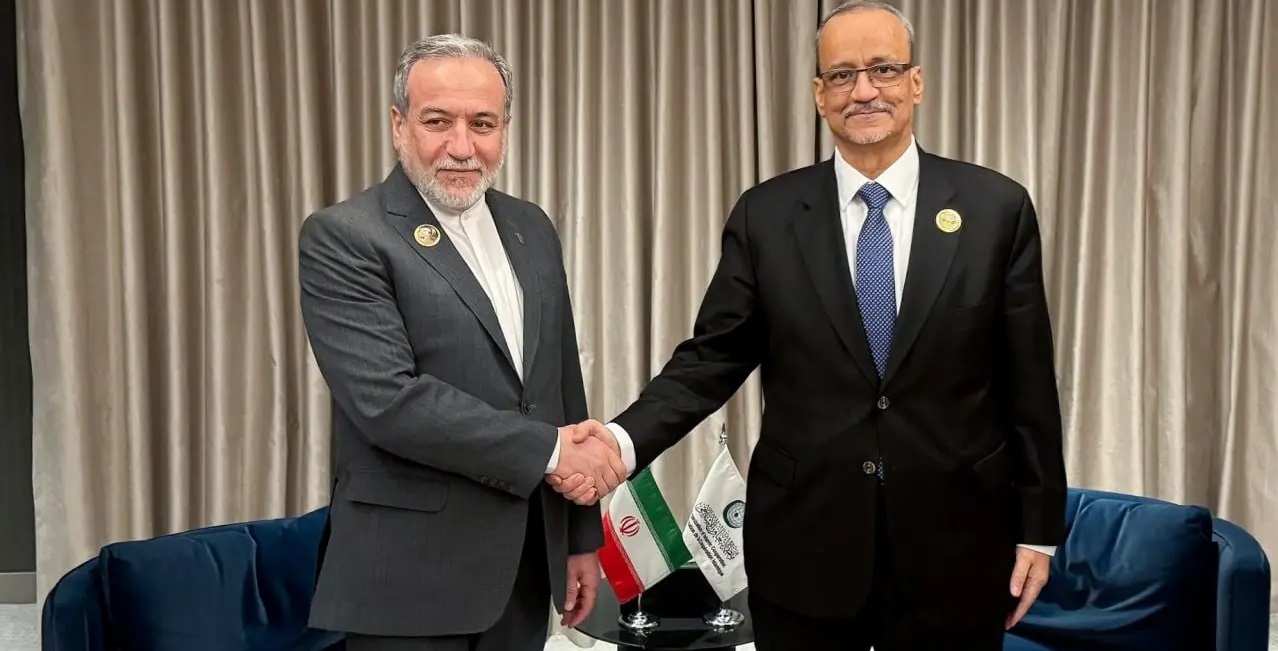


Alwaght- At the 52nd summit of the Organization of Islamic Cooperation (OIC) Council of Foreign Ministers in Baghdad, Iranian Foreign Minister Sayyed Abbas Araghchi urged the Islamic body to reclaim a central role in resolving the Muslim world's crises and confronting shared challenges.
In the gathering, the Palestinian cause took center stage, with Iran pushing to elevate the issue into a joint action item for Muslim nations.
Speaking to reporters in Baghdad, Araghchi noted Iraq's assumption of the OIC ministerial council's rotating chairmanship and the election of a new secretary-general, while taking a swipe at the organization's past performance. "Unfortunately, for many reasons open to debate, the OIC has not performed well, but with a new secretary-general and the chairmanship passing to Iraq, we hope it will find a second wind," he said. He also voiced hope that the OIC could play a constructive role in settling disputes among Muslim countries.
Touching on disagreements over developments in Yemen, the top diplomat stressed that the organization's resolutions and statements must be fair and balanced, and that Tehran cannot sign on to positions that fall short of that standard.
From Palestine to regional crises
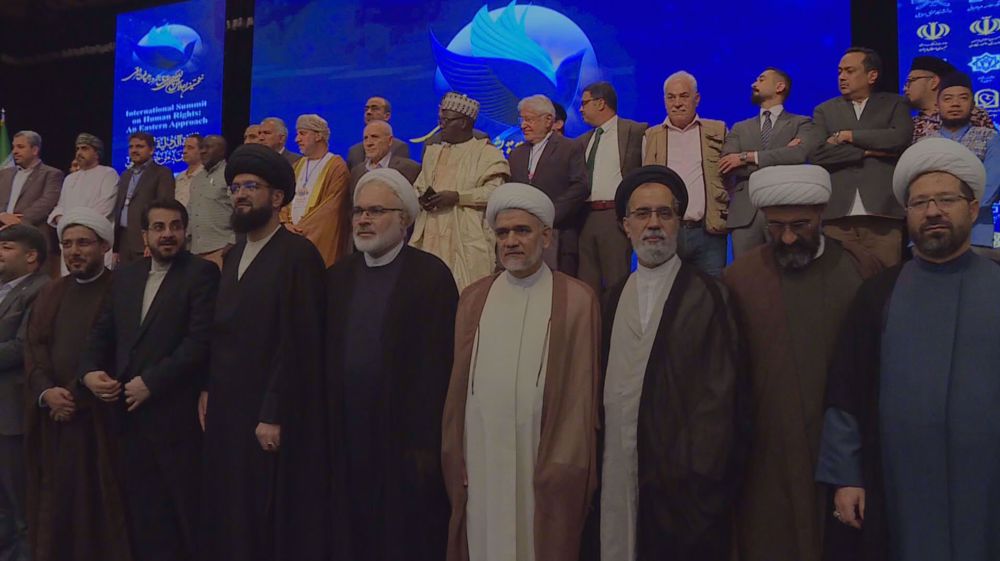
The 52nd session was held in the Iraqi capital on October 17–18 under the theme "Dialogue and Solidarity: Two Essential Pillars for Promoting Peace and Sustainable Development." According to Al Jazeera, representatives from 55 countries and more than 40 organizations attended.
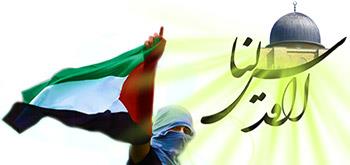
Regional political and security issues dominated the agenda: developments in Gaza, Israeli settlement expansion, the forced displacement of Palestinians and efforts to alter the status of Al-Quds (Jerusalem).
Alongside these, the talks covered the situations in Yemen, Sudan, Syria and Afghanistan, counterterrorism and extremism, expanded economic cooperation, food and water security, communications and technology, humanitarian affairs and the fight against Islamophobia.
The Baghdad meeting took place as Muslim countries confront a raft of regional and international crises, with conflicting views on how to tackle them making coordination among OIC members all the more important.
Palestine, the central cause of Muslim world
Despite the broad agenda of the meeting, Palestine was the top theme of the talks. Araghchi described Palestine the top question of the Muslim world, asserting that there cannot be talk of peace while ignoring the Israeli occupation and the plight of the Palestinian people. He called for practical collective action of the Islamic countries to put an end to massacre in Gaza, the blockade on this region of Palestine, protection of civilians, and countering the Israeli immunity to accountability.
On the sidelines of the summit, Araghchi also stressed in bilateral meetings with Egyptian and Turkish officials the need for Muslim countries to keep Palestine front and center and to leverage the OIC's capacity to counter the occupiers' actions. Tehran's stated position is that churning out resolutions without practical, coordinated follow-through cannot by itself end occupation and violence.
Palestine's centrality was reflected in the summit's final declaration as well. According to the OIC's official readout, the Baghdad statement and closing resolutions emphasized the centrality of the Palestinian cause, support for the rights of the Palestinian people and the establishment of an independent Palestinian state with Al-Quds as its capital. The core challenge, however, remains the gap between agreement on the texts and their actual implementation, a point the OIC secretary-general himself underscored after the meeting.
Iran's diplomacy amid war
Tehran's push on Palestine comes as Iran itself is facing war and military pressure from the US and Israeli regime. Yet, even while tending to its own security concerns, Tehran is using its presence in Islamic multilateral bodies to keep Muslim countries focused on Palestine, an approach that signals the Islamic Republic does not see the Palestinian cause as secondary or deferrable in regional calculations.
That stance puts it at odds with the path taken by some Islamic governments that have moved toward normalization with Tel Aviv in recent years. The UAE and Bahrain normalized ties with Tel Aviv in 2020 under Trump-brokered Abraham Accords, a process later extended to Morocco. The official texts of these agreements are on record in the UN Treaty Collection and official government sources.
Critics of that trajectory argue that normalization without realizing Palestinian rights can help sideline the goal of Palestinian independence and normalize occupation. Tehran, by contrast, is working to keep Palestine at the heart of the Muslim world's agenda and to push Muslim countries past declaratory positions toward concrete action.
The Baghdad meeting once again showed that, at the OIC level, there is verbal consensus on the need to support Palestinian rights and establish an independent Palestinian state. But the organization's real test is whether it can turn that consensus into effective, implementable decisions, or whether Palestinian cause, too, will remain confined to resolutions amid political disputes and the calculations of governments.