









Alwaght- Last week, the diplomatic stagnation that set in after the first Islamabad talks finally began to lift. At least, that is the picture emerging from officials’ remarks and a flurry of new diplomatic movements, suggesting a window is opening for a fresh round of negotiations.
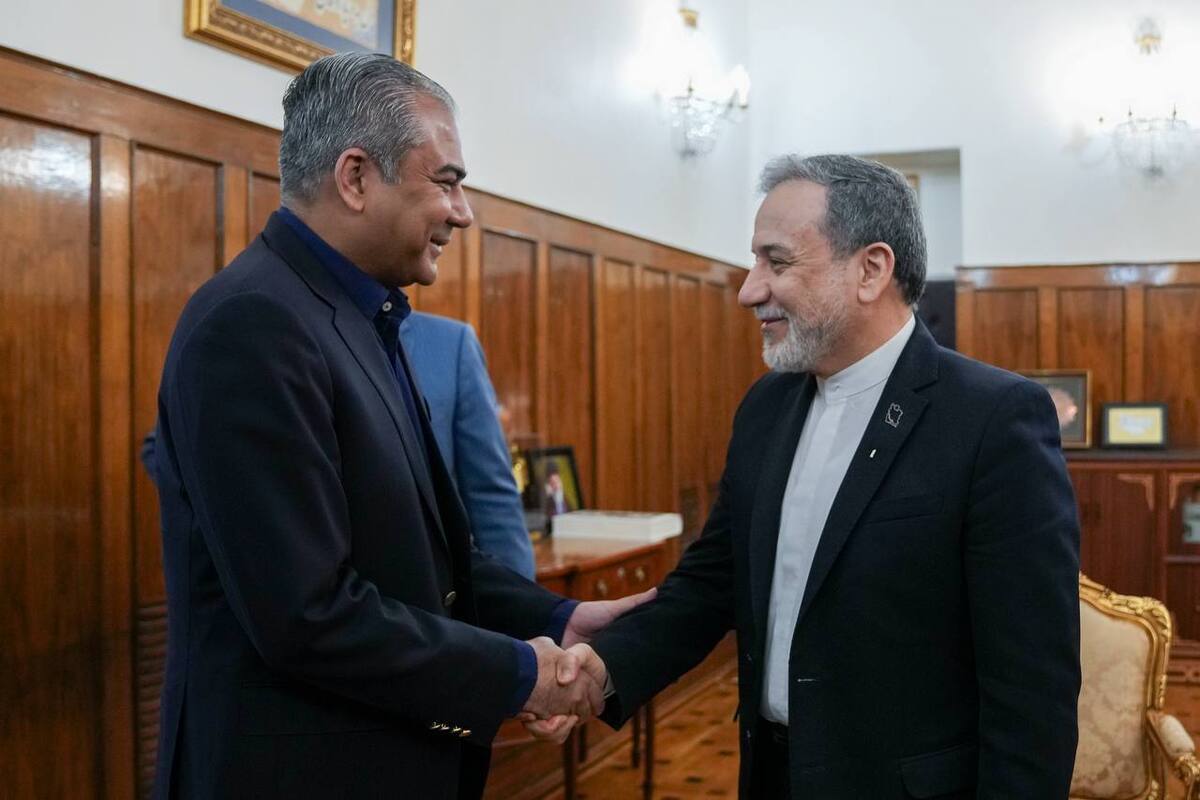
Several factors are fueling this shift, including Donald Trump’s visit to China late last week, the new role of Mohammad Bagher Ghalibaf, speaker of Iran’s Parliament and head of the Islamabad negotiating team, as the point man on relations with Beijing, two back‑and‑forth trips by Pakistan’s interior minister to Iran, and the travel to Tehran of Pakistani military chief Asim Munir. On top of that, Reuters quoted sources claiming a Qatari negotiating team, coordinating with the US, arrived in Tehran on Friday.
Meanwhile, some media outlets, citing unnamed sources, have even alleged obtaining a draft of an initial framework agreement between Tehran and Washington centered on reopening the Strait of Hormuz and launching a new round of talks.
Despite all these signs, Washington’s record of treachery and betrayal of the negotiation process and abuse of diplomacy for surprise aggression on Iran, and also Trump’s threats and illusionary position make prospects of an agreement and end of war dim.
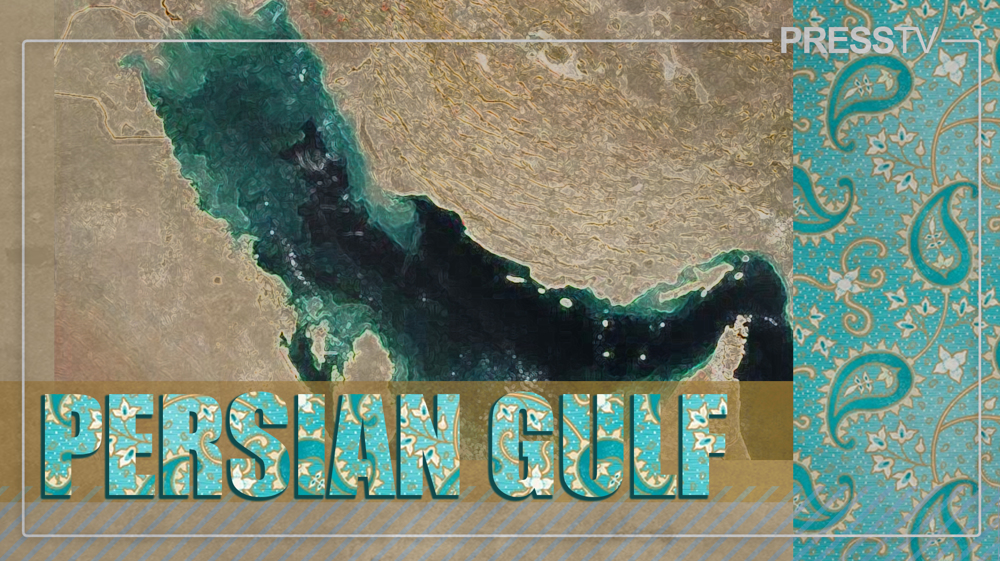
What is certain is that given the remarks by the Iranian officials, Tehran does not loosen any of red lines in favor of an agreement with Washington. Actually, the logic rules that the Iranian officials must look at the negotiations based on the field conditions and the new equations that have followed the war especially in the Persian Gulf and the Strait of Hormuz, equations that have imposed three obvious losses on the US.
The first loss is the failure to meet the military goals of war. The second loss is failure to reopen the Strait of Hormuz using force. And the third one is the failure to bring Iran to its knees using sea blockade.
So, Iran essentially sees no reason to back away from its red lines or hand Washington a major concession. And Trump, armed only with the worn‑out, already‑played card of threatening to resume military action, cannot force Tehran into the deal he wants.
Given this, unless the recent hype is just a theatrical stunt to ease anti‑war pressure at home in the US, or a disinformation ploy by Trump ahead of fresh military action in the coming days (a scenario that, however unlikely, is being taken seriously by all top Iranian military and political officials, who have declared themselves ready for it), we should expect a noticeable retreat from the White House, either to secure a limited agreement or a broader one.
The signs that Trump badly needs a deal at this stage are palpable, to stabilize the chaotic oil market and fuel prices, and even to ensure a smooth World Cup, which kicks off in just three weeks.
These signs are especially telling given the dire economic situation caused by oil shortages in the market and the grim outlook for the next month if the situation persists. Experts warn that if the Strait of Hormuz remains closed, once countries’ usable strategic reserves and surplus floating oil are exhausted, the real, and explosive, impact on prices will become impossible to ignore.
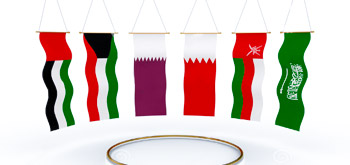
On the other hand, Arab countries are now looking at the US use of military option against Iran with more caution as the recent war showed them new and unpredictable angles of the vastness of and vulnerabilities caused by the regional war.
Assessments do not show that these countries have managed to address their vulnerability points in terms of military preparations and logistics during the ceasefire. Evidence of this is the UAE’s explicit complaints and objections to the latest mediation moves by other Gulf Cooperation Council players, likely Qatar and Saudi Arabia, at this stage, which lay bare the Persian Gulf Arab states’ fears and concerns.
Abu Dhabi, for its part, is not in a state of full defensive readiness. But seeing itself as the biggest loser from current developments, and having effectively made future de-escalation and trust‑rebuilding far harder for itself than for other neighboring Arab countries, through its role in coordinating with the Israeli regime against Iran, it is pushing for a different set of conditions to end the war.
So, the most plausible scenario behind Trump’s push for a deal at this stage is finding a way to temporarily reopen the Strait of Hormuz, breathe fresh life into the dying oil market, and get past the World Cup conditions. That seems to be his main motive.
The biggest unanswered question in any negotiation or agreement right now, however, is that with what concession and what model Iran will agree to reopen the Strait of Hormuz.