
















Alwaght- Though European countries over the past two months have tried to keep themselves away from direct confrontation with Iran and even stated openly they do not want to join military operations aimed at reopening the Strait of Hormuz, now they are showing clear signs of change of stance.
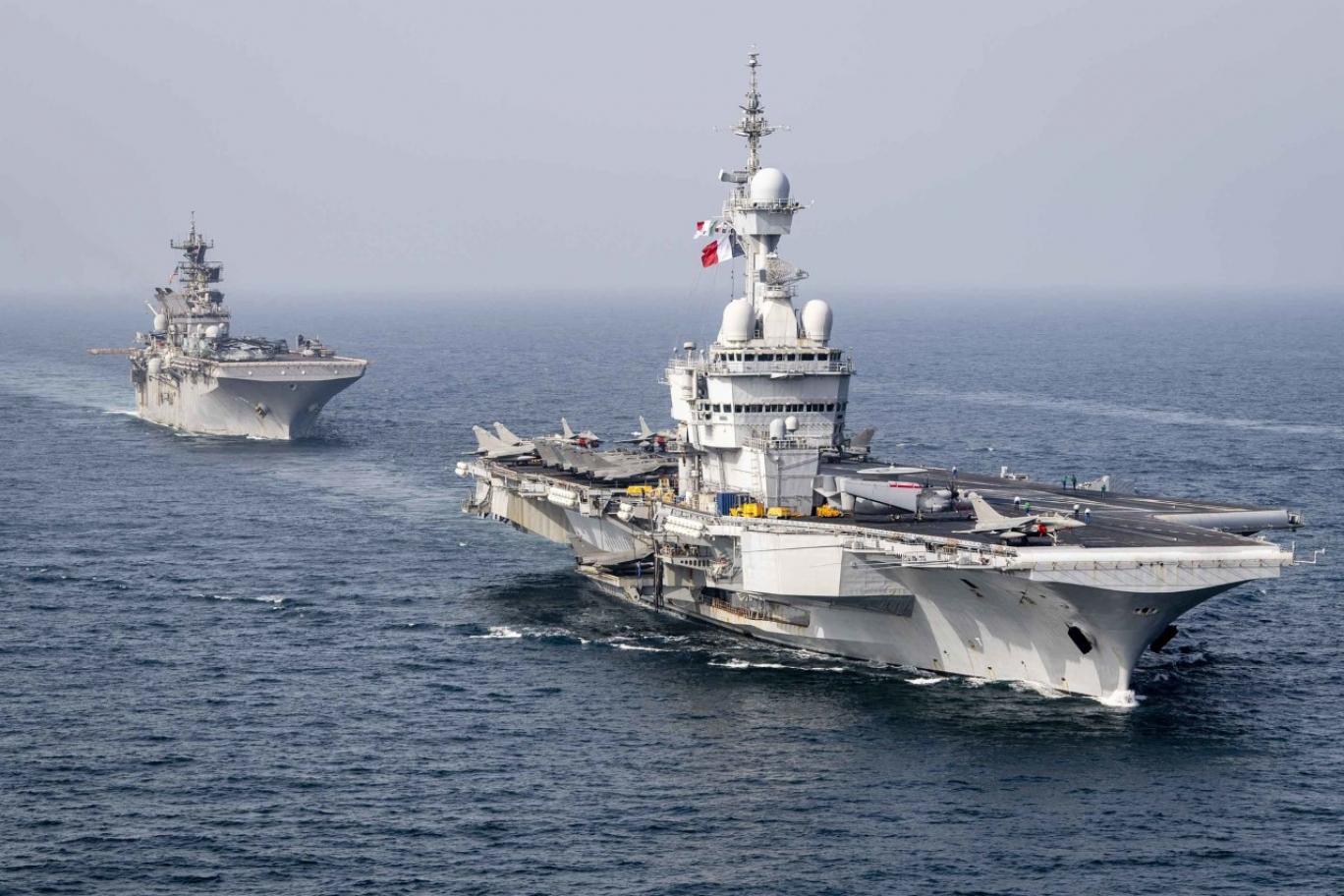
As tensions heightened in recent days in the Strait of Hormuz, the decision by France to deploy Charle de Gaulle nuclear aircraft carrier and by Britain to deploy HMS Dragon destroyer to West Asia region is not a simple military move, rather, it carries a signal that Europe is gradually getting involved in a crisis Washington has run into a dead end in its management.
Amid announcement of a meeting of defense ministers of a number of countries in London and Paris to discuss military initiatives in the Strait, the speculations are growing that Europe is moving past a policy of caution to a direct confrontation with Iran.
Actually, London and Paris are now leading a move that, in the eyes of Tehran, is provocative and dangerous.
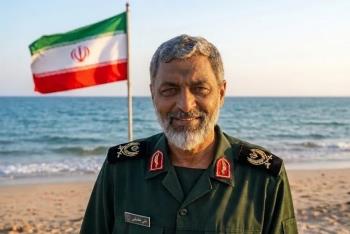
In that connection, Ismail Baghaei, spokesperson for Iran’s Foreign Ministry, pointed to the dispatch of European warships, stressing that “Tehran has warned European countries loud and clear not to let Washington and Tel Aviv’s temptations drag them into a crisis that will serve no one’s interest. Any meddling in matters related to the Strait of Hormuz and West Asia will only make things more complicated.”
The statement is essentially a blunt message to London and Paris, telling them that Iran views the new European military presence in the Persian Gulf not as a defensive move but as part of a campaign to pressure Tehran.
This European shift comes as the British Prime Minister Keir Starmer reiterated for the umpteenth time that he would not draw his country into a war with Iran. Britain’s defense secretary, justifying the deployment, said: “This mission is purely defensive in nature, aimed at restoring confidence in commercial shipping along this vital global trade route.”
President Emmanuel Macron of France also said Monday that Paris has never considered sending forces to reopen the Strait of Hormuz as an option, insisting it remains committed to a diplomatic approach to defuse tensions in the region.
Some observers, noting the stances in London and Paris, believe Europe’s shift of view may have come under direct pressure from US President Donald Trump to drag its European allies into the Persian Gulf crisis.
France and Paris being dragged into dangerous game
The military moves of these countries in the Persian Gulf and high risk of a direct clash with Iran can bear consequences highly heavy and irreversible to Paris and London. Record of the past two months has shown that Iran, if feeling threatened, is capable of targeting military bases and interests of its enemies in the region with advanced missiles and drones. In other words, its massive attacks on the American military assets in the Persian Gulf were a message of resolution to other Western Western powers that any confrontation will have a heavy price to pay.
Just unlike the US, France and Britain have limited presence and military assets and bases in West Asia, something making them even more vulnerable to attacks and so any clash can leave their forces heavily exposed to damage and to heavy military and political costs that can go beyond the tolerance of their public opinion.
Washington seeking to share the costs with Europe
Now that European countries have stepped in for the so-called security of the Strait of Hormuz, the big question is: "Do they actually have the firepower to control and reopen this vital waterway?
The short answer is no. The French and British warships now headed for the Persian Gulf are technologically and militarily outgunned by their US counterparts, and acting alone, they would not change the dynamics of the Strait. If a military presence alone could solve the problem, the US's far larger and more advanced fleet would have already done so. Instead, Washington is dragging Europe into the fray to split the costs of confrontation with its allies and take the direct heat off itself.
Some Western media reports have also suggested that Donald Trump wants a way out of a war with Iran, but has no clue how to get one. Meanwhile, some analysts see the current trajectory as a gradual shifting of the crisis's costs and pressures from the US shoulders onto Europe's.
Trump has repeatedly accused NATO's European members of sitting on the sidelines in the confrontation with Iran, and even threatened to reconsider American membership in the Western military bloc. It seems European governments have now agreed to a limited, carefully managed role in the Persian Gulf crisis, mainly to avoid a full-blown row with Washington.
The reality is that the Persian Gulf is no longer a place where old-school gunboat diplomacy works. The past two months have proven that technological superiority and more warships do not automatically mean crisis control. If the United States, with its overwhelming arsenal and assets, could not get the job done, it is highly unlikely that a handful of French and British vessels will make any decisive difference.
This said, the deployment to the Strait of Hormuz of British and French naval assets is a trap set by Trump for the Europeans to take revenge on them for their rejection to join anti-Iranian war, as Trump thinks that if NATO was involved, Washington could make considerable gains.
Finally, Europe is now in a sensitive point in which any miscalculation can sink it into a costly and attritive crisis.
London and Paris may think that their limited military presence in the Persian Gulf region solely sends a political message to Tehran, but the reality on the ground looks more dangerous and complicated than that in the calculation chambers of the Western countries. So, Persian Gulf region today is a test scene of wills more than any other time and any actor stepping in should be prepared to pay heavy costs of their adventures.










