






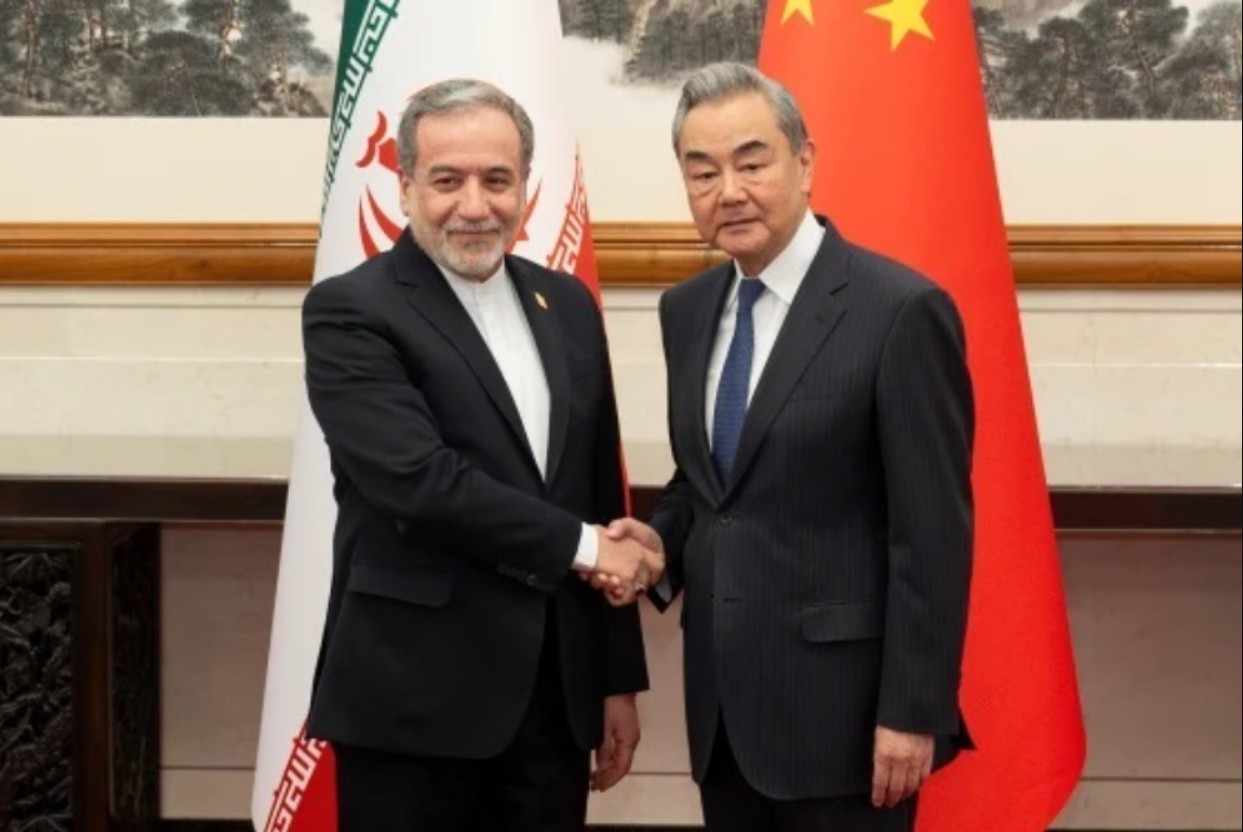


ALWAGHT- Abbas Araghchi's strategic visit to Beijing on the eve of Donald Trump's trip to China opened a new chapter in Iran-China diplomatic relations. During meetings with senior Chinese officials, Iran's foreign minister presented a 14-point plan to end the war, stressed the importance of Strait of Hormuz security, and thanked Beijing for vetoing anti-Iran resolutions and neutralizing US oil sanctions. China, in turn, reaffirmed its strategic partnership with Iran.
Iranian Foreign Minister Abbas Araghchi visited Beijing on the eve of a planned US presidential trip to China, testing the depth of the Tehran-Beijing strategic partnership—now expanded beyond economics into political and security coordination against US unilateralism. In meetings with his Chinese counterpart, Araghchi stressed that military attacks by the US and Israel have transformed Iran, stating that "Iran after the war is not the same as Iran before the war," with the country's defensive and deterrent capabilities now evident to all regional actors. He thanked China for its decisive political and economic support, including vetoing anti-Iran UN resolutions and continuing to purchase Iranian oil, which has helped neutralize Washington's maximum pressure strategy.
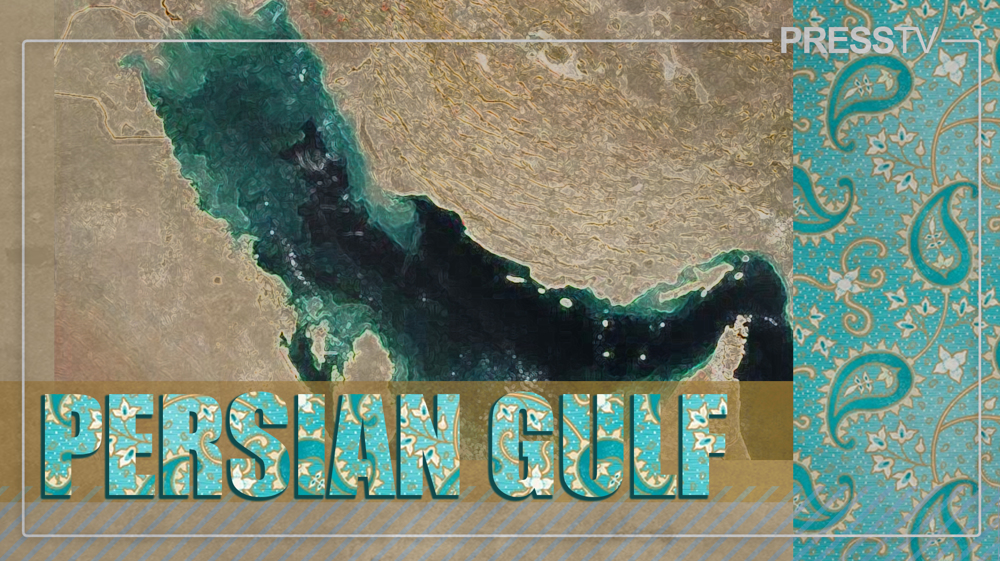
A key discussion topic was the future of energy security and the Strait of Hormuz, with Araghchi declaring that Iran has always ensured and will continue to ensure the strait's security, refusing to allow extra-regional powers to jeopardize this vital waterway. Alongside Araghchi's meetings, China's Foreign Ministry spokesperson Guo Jiakun described Iran as a "reliable and strategic partner"—a relatively unprecedented stance—and called for ensuring safe passage through the Strait of Hormuz, continuing Tehran-Washington negotiations, and completely halting hostile actions. China also openly rejected US sanctions on Chinese refineries purchasing Iranian crude, invoking its "blocking statute" for the first time to instruct companies not to comply.
International media outlets including CNBC, Al Jazeera English, Bloomberg, and Xinhua described the visit as significant and strategic, with many noting the deliberate timing ahead of Trump's trip. Danny Russel of the Asia Society Policy Institute observed that Tehran aims to demonstrate it is "not isolated and has friends and options," strengthening its bargaining position against Washington. According to Russel, Tehran likely seeks Chinese assurances on oil flows, financial channels, and diplomatic backing, while Trump is expected to press China to push Iran toward reopening the Strait of Hormuz—positioning Beijing as a responsible power, though the risks also constrain China itself.