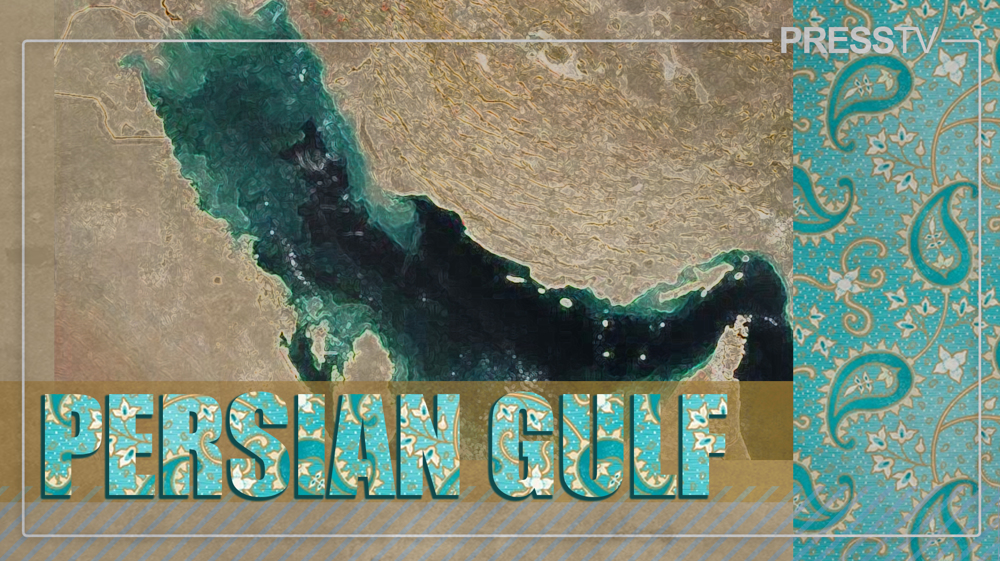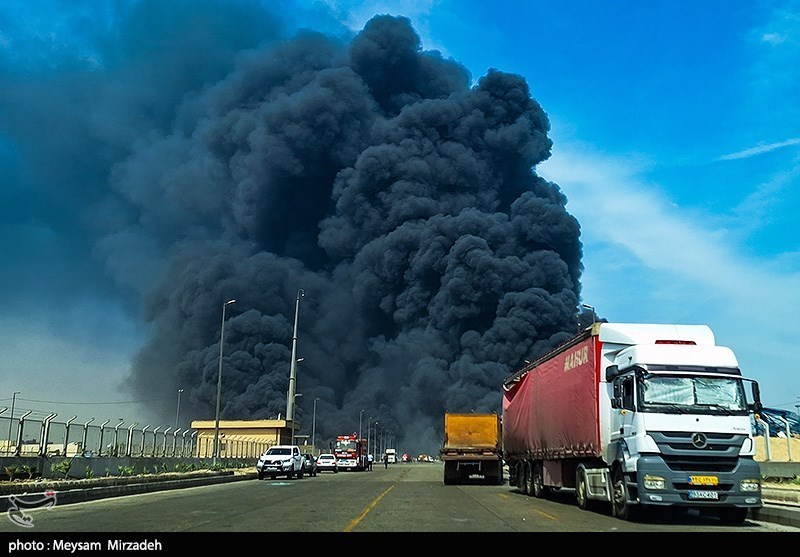













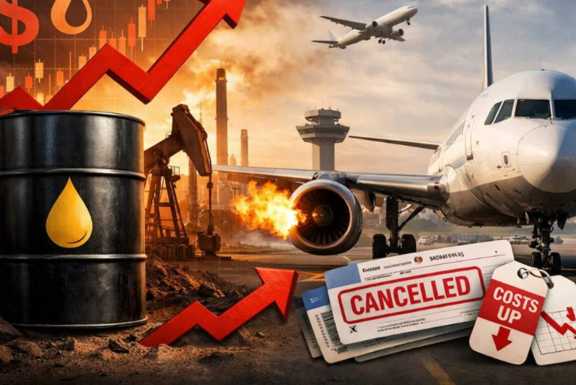


ALWAGHT- Following military tensions in the Strait of Hormuz, disruptions to the vital waterway have sent jet fuel prices skyrocketing, sparking a domino effect of airline failures, flight reductions, and job losses among carriers worldwide.
Spirit Airlines became the first major victim of the crisis as military tensions in the Strait of Hormuz disrupted one of the world's most critical oil export chokepoints. Fears of reduced oil supply sent energy prices soaring, triggering a dramatic and "unprecedented" spike in jet fuel prices. This sudden cost surge pressured airlines globally, forcing emergency decisions that led to bankruptcies—including Spirit Airlines and Air Antilles—along with widespread flight cancellations and workforce downsizing.
In Europe and North America, major carriers like Lufthansa, Air France-KLM, Delta Airlines, and Air Canada were forced to cancel thousands of flights and reduce capacity. Asian airlines such as AirAsia X, Vietnam Airlines, and Cathay Pacific also scaled back their flight networks. Persian Gulf carriers—including Qatar Airways, Emirates, Oman Air, and Kuwait Airways—faced soaring fuel costs and disrupted flight paths, leading to reductions in low-profit flights, rethinking of long-haul routes, higher ticket prices, delayed fleet expansions, and hiring freezes.
The aviation industry is now caught in a multi-layered pressure cycle: war along energy routes, Strait of Hormuz disruption, spiking fuel prices, reduced travel demand, and widespread layoffs. Experts warn that if the trend continues, it could permanently alter the global industry structure, widening the gap between large financially strong carriers and smaller to medium-sized airlines. Survival now depends on cost management, revenue diversification, and access to sustainable fuel sources—with any new energy market shock potentially triggering another crisis wave.