






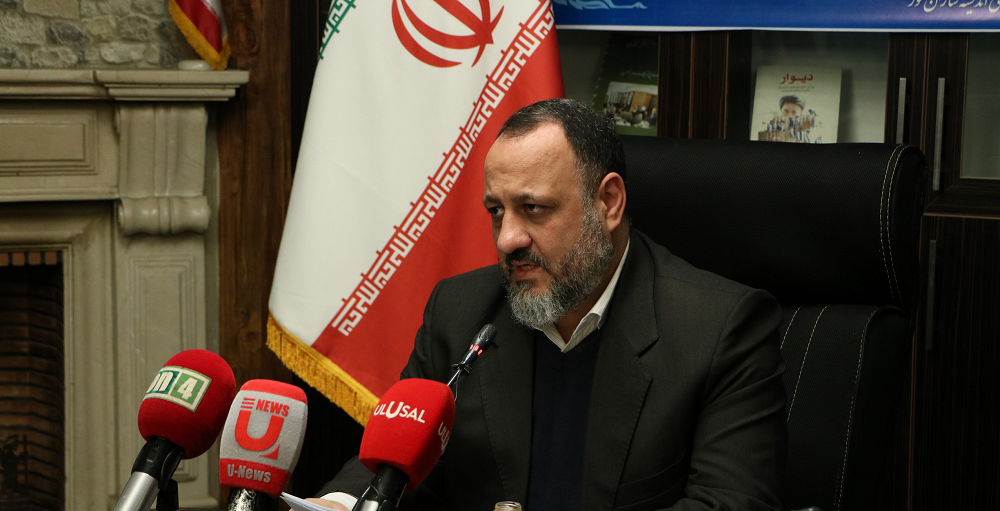


Alwaght- As the Israeli-American aggression against Iran turns into a war of attrition and the aggressors are running into a dead end in realizing their goals on the 20th day of war, Alwaght arranged an interview with Ahmad Zarean, an Iranian political analyst and chief of Tehran-based Andisheh Sazan-e-Nour Institute for Strategic Studies, about the most important dimensions of war, especially its objectives and the effects of assassination of the Iranian officials and military commanders.
Alwaght: Each time an assassination targets officials in Iran, the American and Israeli expectation for disruption of decision-making system does not come true and as Trump said Washington targeted two layers of administration in Iran but the Americans have failed to bring the Iranians to their knees. Does following this vicious circle mean a failure of the Americans and Israelis to know the Islamic Republic or does the enemy run into a dead end finding an exit from the quagmire of war?
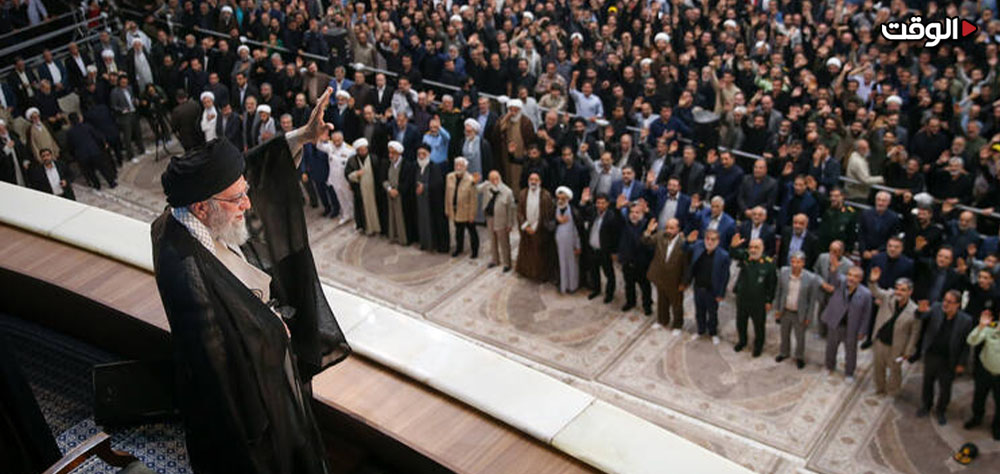
Zarean: The reality is that the US administration is currently taken hostage by a Zionist band led Donald Trump who has no knowledge of the depth of the Iranian government and nation. So, the Americans have made a mistake and miscalculation at the beginning of war and as they pushed ahead. The enemy targeted the officials, from the Supreme Leader to the political and military officials, with the aim of toppling the Islamic Republic. But we should know that the country’s structure is not individual-reliant, rather, it is ideological and as long as its ideology is alive, its structure will stay resilient.
Another interesting point is that the American-Zionist enemy after 20 days of war is still far from realizing its stated goals, while sustaining huge damages and human costs. Currently, all agree that Iran has the upper hand in this imposed war and protracted war has pushed the enemy in a tight spot. So, the enemy, through assassinations, tries to erode national Iranian morale and feign success.
Alwaght: Military censorship has expanded from Israel to the American military and Washington hides the true numbers of its human casualties and damage to its military bases and threatens media with license revocation in case of leaking information. On the other side, Iran is not afraid to publish information at highest levels. What is driving these different approaches in war?
Zarean: During the war, the enemy has sustained hard blows from Iran. Given the accuracy and power of the Iranian projectiles, the number of casualties and damages on their vital military facilities is so high. So, they try to prevent reports from leaking to public by imposing a heavy censorship regime to steer clear of psychological crises in the Israeli society. Actually, such bad news could lead to mental and psychological collapse of the Israelis. On the opposite side, Iran transparently announces data on the number of its casualties, even the high-ranking fallen officials and commanders and even holds magnificent funerals for them attended by millions. One point is clear about Iran: The blood of martyrs boosts the will and resolve of our nation and officials regarding continuing defense until ultimate victory is achieved.
Alwaght: As war unfolds, division and confusion inside Israel and the US come to surface. Reports suggest Trump is furious about being misinformed regarding immediate collapse of the Islamic Republic after a lightening attack. Meanwhile, he is erratic; at one time he says end of war is close and at another time he says he will push further. How far can he go with war?
Zarean: Trump is seeking an achievement in this war to sell it to the American and global public and have a face-saving exit from war. The American side is actively seeking a truce so that, using a diplomatic trick, both paint itself the winner and avoid further casualties and damages. Odds are as long as Washington holds no war feat or Iran does not accept a ceasefire, Trump will continue.
Alwaght: How will this war influence the US-European relationship? Some, pointing to Trump’s remarks, suggest it could mark death of NATO.
Zarean: We should talk with caution in this regard. The European and American governments are defined within the framework of a civilizational paradigm and hold commonalities like hostility towards Iran, hostility towards the political Islam, and staunch support to the Israeli regime. But since Trump in his second term embarked on hostile actions like war of tariffs, geopolitical claims and unilateral approaches in Ukraine case has rendered the European-American relations chilly and since Russia is capitalizing on the current war, the European members of NATO have viewed the anti-Iranian war warily and, firstly they do not want to pay a price for Trump’s ambitions and secondly want to take revenge on Trump for his bullying of them and thirdly do not want to involve in a war with slim chance of victory. At the same time, we cannot talk about end of NATO. Still, Europe will entertain further defense and security independence from the US.
Alwaght: This war showed that the US military presence in the region not only does not bring security, but also can be a source of trouble and insecurity to Arab countries in the Persian Gulf. The Arab countries have been defenseless against Israeli attacks, for example when Israel struck Qatar. And at the same time the Israeli and American warmongering caused costs to them. Are there signs the Arab monarchies will look into a review of their military relations with the US after war?
Zarean: A majority of the Arab countries in our region suffer from such crises as illegitimacy and structural corruption. The cure to these crises, they think, is continuation of reliance on the foreign powers, especially the US. At the same time, the influence of the US and Israel in these monarchies is so high and deep that these countries cannot break out of the American circle even if they wish to. So, the scenario of reviewing their relations with Washington and even Tel Aviv after this war is just a pessimistic view and is a low probability.