














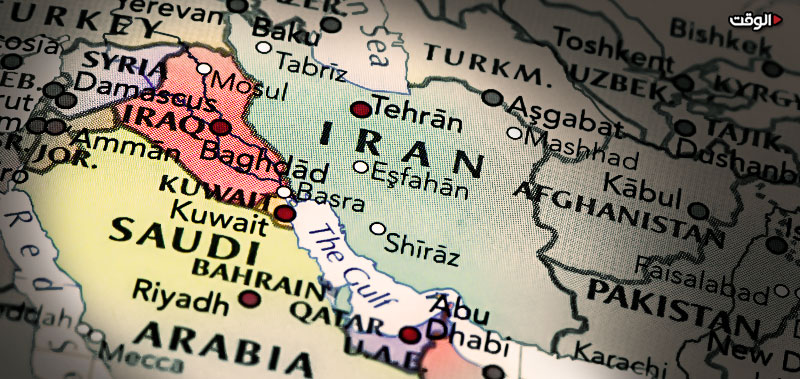


Alwaght- The Ramadan War should be seen as a decisive development when looked at from various dimensions. It is a war that was waged against Iran by the Israeli regime and the US only eight months after the 12-day June war with the same fashion, namely amid diplomatic talks and with the same justification of countering the Iranian missile and nuclear programs. But these surficial similarities should not deceive us into thinking that the current war is going to end like the previous one and make no difference. Actually, this war bears the potential to transform not only the regional but also the international order.
These changes can come in two areas:
First, the structural changes to the operations of international organizations and the legal order are significant topics that have faced severe blows in recent years, particularly from the US under President Donald Trump, including exits from international treaties and disregard for international rules.
For years, nations oppressed by the US have complained about the repeated violations of these rules and laws by the West. International law has essentially been wielded as a tool for controlling and constraining independent governments, and it seems the death knell for these unilateral laws has sounded amidst the current chaos of conflict.
This week, amid a wave of global news regarding the war, very little attention was paid to the adoption of a resolution proposed by Bahrain. In fact, China and Russia as two permanent members of the UNSC with veto powers refrained from bothering to veto it for a simple yet telling reason: the resolution was non-binding. This exemplifies the state of the international order; although there are ample discussions on paper, none of it carries any real weight.
In reality, no one seems to care anymore about what is considered legal or illegal. Even Washington, which started this ruthless aggression on Iran, is no longer making any attempts to find a legal justification for its actions. This chaotic situation prioritizes one principle: the necessity of war, with military power as the only means to play a role in it. The Islamic Republic of Iran appears to fully grasp this point and is vocally asserting that the legal order stemming from the post-World War II era has collapsed.
Moreover, the order established by the Americans after World War II, particularly during the Cold War, has another pillar: the political understanding of the American-led order, which they themselves refer to as “Pax Americana”, or American peace.
This concept was biased and unfair since the outset, namely the US wanted peace only for its allies and any party standing in the face of this unfair order will experience war and destruction. For years, the US looked at its Persian Gulf Arab allies from above, seeing them as “milk cows”, selling the thought to them that if it is not for Washington’s protection, they cannot defend themselves, hence, plundering their petrodollars for decades. But today, the Ramadan War has sent an important signal to the whole world, saying that the US military presence cannot ensure security of the allies. A pessimistic view can tell us that the Americans have not been in the Persian Gulf for defense of allies, rather, for defense of Israel. Actually, Washington mobilized Arab resources to defend Israel. On the other side, we can also suggest that the US is incapable of defending its allies.
Either way, the point is the same: The US is no longer the boss in the world order. This war undoubtedly creates a profound uncertainty among American allies, not just in the region but far beyond, including European countries that view Russia as a significant threat, and in the East, nations like Taiwan, South Korea, and Japan that are fearful of China’s rising power. They can no longer rely on Washington’s promises for their protection, nor can they depend on the international rules that had previously unilaterally secured their safety.
While it is difficult to discuss the end of the Ramadan War today and impossible to definitively predict its direct outcomes for the involved countries, one thing can be considered certain: the world’s understanding of the global order will be different after the conclusion of this conflict.










