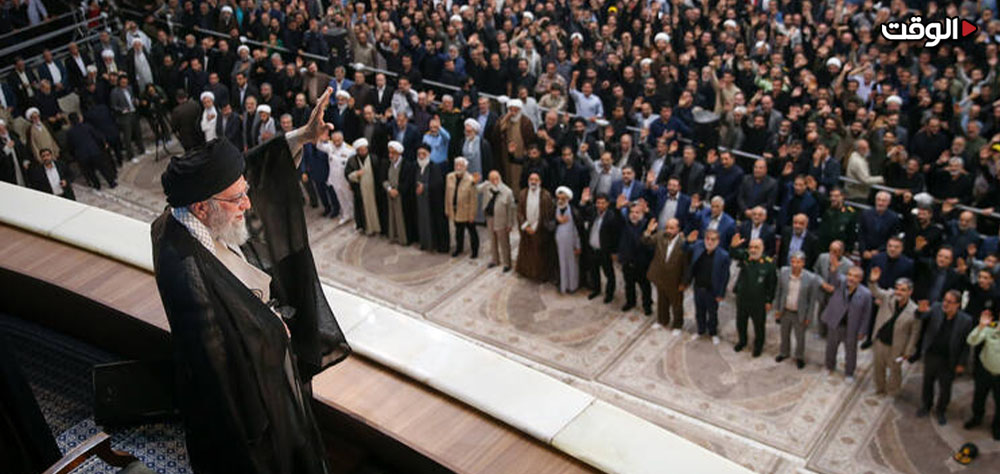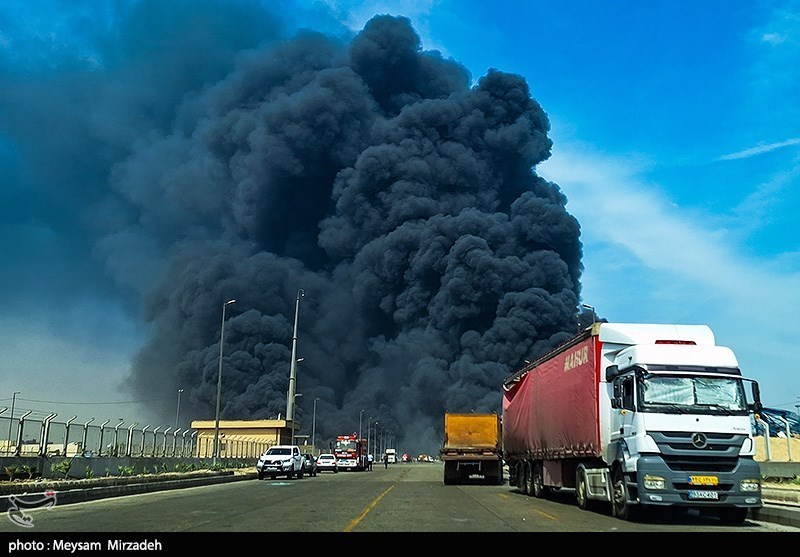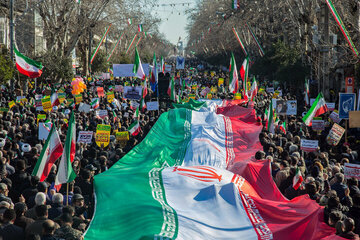











Alwaght- The war the Israelis have waged against Iran with direct support and intervention of the US bears many commonalities with the genocidal war against Gaza. This report brings in spotlight in a comparative way what is common between Iran and Gaza wars.
Repeating the model of Gaza war crimes in Iran
Both in Iran and Gaza, Netanyahu committed many crimes against humanity. Here are some examples:
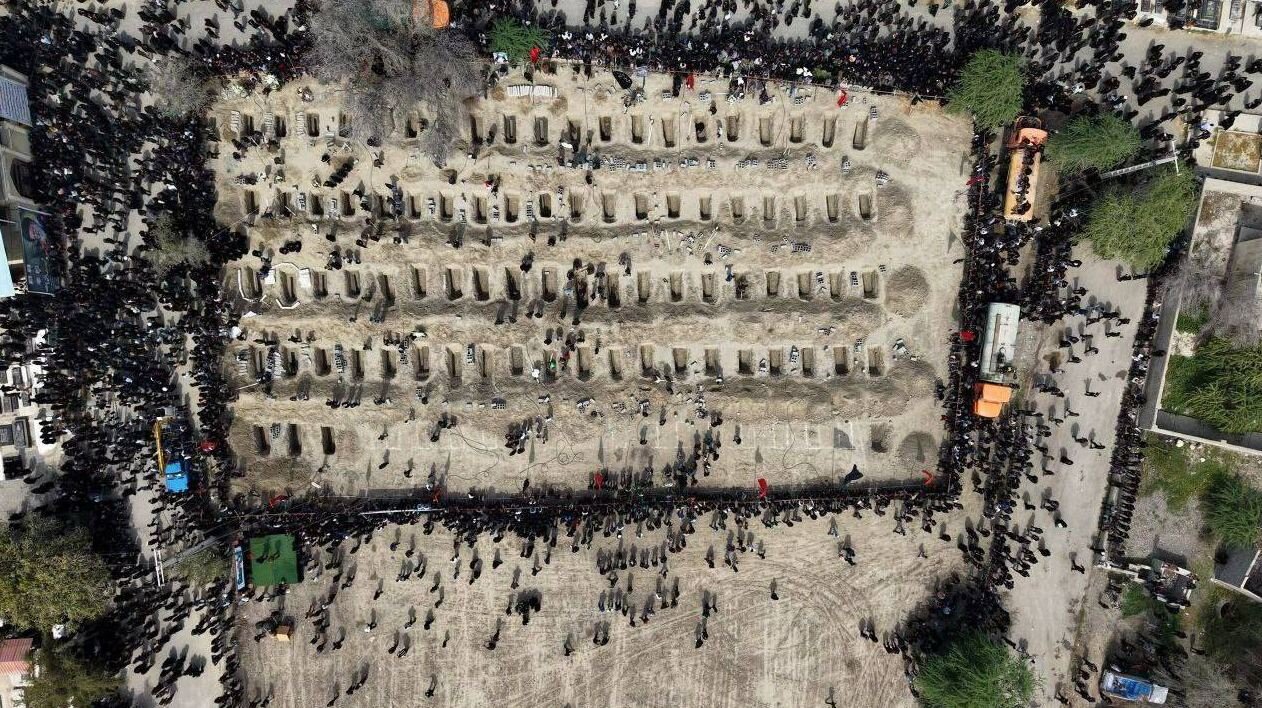
Attacks on schools: Over the past six days of war, the Americans and Israelis bombed many schools, killing hundreds of students in some of these airstrikes. On Saturday, 10:45 a.m local time, an air attack on a school, Shajareh Tayebeh Elementary School, in Minab in Hormozgan province killed over 180 and wounded others.
Attacks on medical centers and hospitals: Following the attack on the school in Minab, another strike was launched the same day at 3:40 PM on a nearby clinic. In fact, attacks on medical facilities began on the very first day of the war against Iran, with the Gandhi Hospital in Tehran also coming under missile fire on the second day of the conflict. In addition to Gandhi Hospital, several other healthcare centers in the capital have been damaged during the ongoing clashes. The head of the Iranian Red Crescent Society reported that several missiles struck within a 50 to 100-meter radius of medical and rehabilitation buildings in Tehran, resulting in harm to medical facilities, instilling fear among patients, and halting rehabilitation services.
Attacking the athletes: Martyrdom of athletes in war has been another crime akin to war crimes in Gaza. According to a statement by Iran’s Gymnastics Federation, 6 gymnasts were killed in the American attack on Minab school. Also, Tehran-based Ahmad Ali Shabannejad, a taekwondo athlete from Babolsar city in northern Iran and a scientific elite, was killed in the barbarous American aggression on Iran.
Attacking historical sites: In its war against Iran, the Israeli regime has repeatedly targeted historical sites. The United Nations Educational, Scientific and Cultural Organization (UNESCO) expressed concern in an official statement regarding the status of heritage sites amid escalating violence in West Asia, noting that the Golestan Palace complex in Tehran has been damaged due to shrapnel and shockwaves from an airstrike. As one of the most significant examples of Qajar architecture and art, and the only registered site in Iran’s capital on the UNESCO World Heritage List, Golestan Palace holds outstanding universal value; any assault on it is considered an affront to a part of humanity’s historical memory and cultural identity.
Previously, during its war against Gaza, the Israeli regime had leveled all historical sites and structures in that Palestinian enclave. The deliberate destruction of cultural heritage, which is prohibited under international law during all conflicts, has also been violated in the attacks by the US and Israel. In the strike on Sunday night targeting Tehran’s Arg Square, an area recognized for its historical significance, thousands of registered historical plaques were reportedly damaged. Initial reports indicate broken windows at the Grand Mosque of the Bazaar, and significant damage to the Golestan Palace, including shattered glass, ruined wooden doors, and decoratively crafted mirrors.
What do international laws say?
The recent Israeli attacks on civilian sites and targets in Iran are a stark violation of international laws. According to international protocols, hospitals and medical centers should be immune to attacks during war. Here are some international articles Israel and the US violated in their Iran campaign:
According to international protocols, hospitals and healthcare facilities are places that should not be targeted during armed conflicts. Among the violations that can be highlighted are:
- Violation of Article 4, Paragraph 2 of the United Nations Charter regarding the prohibition of threats or the use of force against the territorial integrity or political independence of countries.
- Widespread violation of several provisions of the 1949 Geneva Conventions (Articles 50, 51, 52 of Additional Protocol I) concerning attacks on civilian targets, urban infrastructure, and threats to the lives of civilians in the country’s capital, as well as violations of the principles of distinction, proportionality, and precaution in armed conflicts.
- Violation of the 1977 Convention concerning the protection of civilians in armed conflicts.
- Violation of Articles 33 and 39 of the United Nations Charter regarding conduct that violates international peace and security in relation to unilateral attacks without the authorization of the Security Council.