










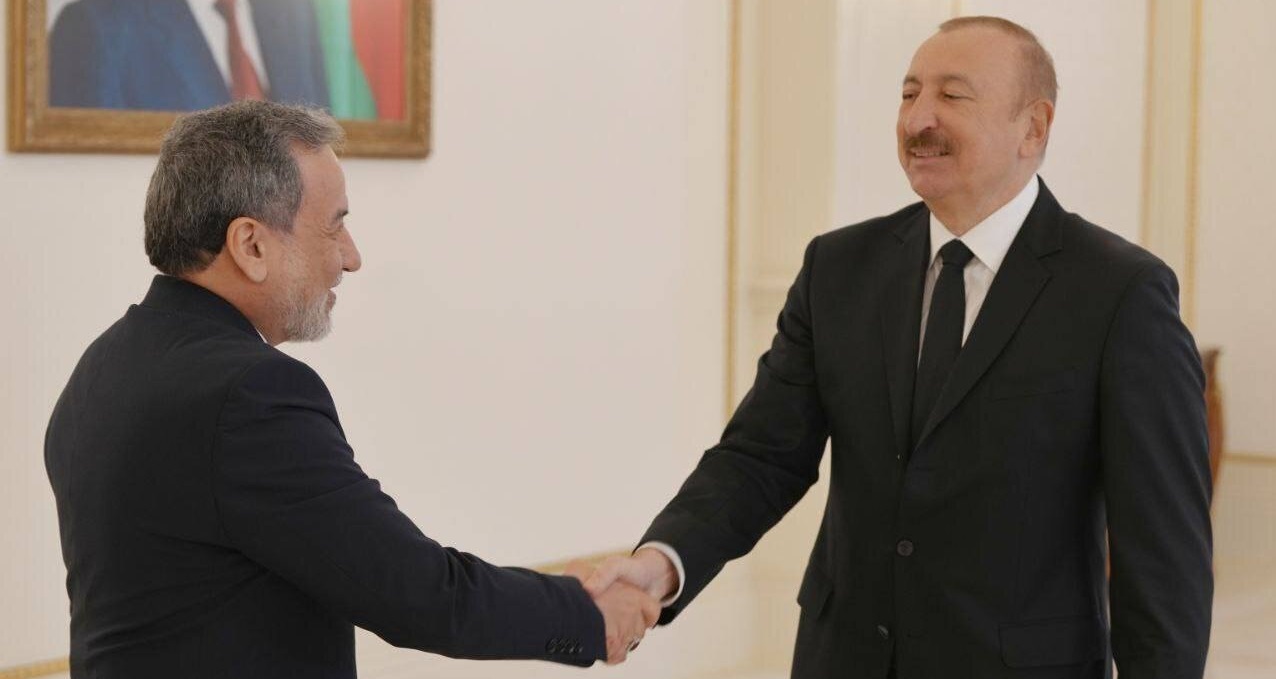


Alwaght- In the tense regional conditions and while the Israelis have recently threatened Iran, Iran’s Foreign Minister Abbas Araghchi visited Azerbaijan and talked to the officials in Baku.
This is the first official visit to Baku of the Iranian diplomat. He met Azerbaijani President Ilham Aliyev and Foreign Ministry Jeyhun Bayramov, stressing the need to enhance bilateral cooperation between the two neighbors.
Iran and Azerbaijan are two neighbors with political, cultural, security, and economic commonalities. But some regional developments have caused Tehran-Baku relations to experience ups and down in recent years.
Iran’s FM visits Baku after military drills
Iran’s top diplomat arrived in Baku, with the trip coming just two days after the conclusion of the five-day ‘Sahand-2025’ joint anti-terrorism exercise. The drill, which launched on December 1 in East Azerbaijan province, demonstrated Iran’s readiness and strategic role in confronting transnational threats, involving ten full members of the Shanghai Cooperation Organization (SCO) along with several observer nations.
Held under the SCO’s security framework, the maneuvers form part of the bloc’s established mechanisms for countering terrorist threats and militant groups. The exercise underscores Iran’s commitment to a coordinated, multilateral approach against terrorism, a cross-border menace that no single nation can tackle alone.
The recent drills also sent a clear message to Iran’s northern neighbor, Azerbaijan, highlighting the necessity for joint cooperation in combating terrorism and subversive activities. Significantly, Azerbaijan hosted the exercises near its southern border on Iranian soil, a move interpreted as Baku acknowledging Tehran’s stance.
Participants included all ten SCO member states: Iran, Russia, China, India, Pakistan, Kazakhstan, Kyrgyzstan, Tajikistan, Uzbekistan, and Belarus. Observer and guest nations also attended to observe and exchange expertise. The SCO’s Regional Anti-Terrorist Structure (RATS) coordinated the exercises and managed the scenarios.
The timing of the visit and the drills carries added weight. During the recent 12-day Israeli waged against Iran, Tehran detected several terrorist operations and drone incursions against its territory to elements operating from Azerbaijan. Tehran has concluded that a significant portion of these hostile activities originated along its northern border with Azerbaijan, prompting this firm demonstration of resolve and the subsequent diplomatic engagement.
Yes to cooperation, no to confrontation
The visit of the top diplomat of Iran to Azerbaijan bears the message that Tehran is ready for cooperation instead of confrontation. The reality is that Iran does not pursue disputes with Azerbaijan very much. But it is the trans-regional actors, mainly Tel Aviv, that have stirred periodic tensions between the two neighbors. It should not be forgotten that if it was not for Tel Aviv’s interventions, the two countries’ relations could continue with zero tension.
During the 12-day war, multiple reports from media and intelligence sources indicated that the Israeli regime utilized Azerbaijani territory for operations against Iran. Although Azerbaijani officials strongly denied these claims, parallels with previous instances, such as the use of Iraqi airspace without the central government’s knowledge, make this scenario more plausible.
This issue remains a significant point of discussion in bilateral relations. Iran is now signaling that, with Baku’s cooperation, Tel Aviv’s attempts to use Azerbaijan to deal blows against Iran can be thwarted.
Common interests in joint corridor
Iran has officially declared its readiness for trilateral cooperation with both Armenia and Azerbaijan in the fields of transportation and trade. Given Tehran’s close and positive relations with both neighboring states, there is a distinct possibility that Iran could play a defined role in the envisioned transit route between Azerbaijan and Armenia. This stems from Iran’s inherent sensitivity regarding its territorial integrity. The apparent outline of the proposed plan, as previously suggested by the Trump administration, indicates that Armenia’s national sovereignty would not be violated and Iran’s border would remain intact.
In reality, Tehran’s primary objective in advancing regional trade routes is to neutralize Western-backed conspiracies aimed at sidelining Iran from crucial trade arteries. Araghchi’s visit to Baku comes at a time when the issue of the “Zangezur Corridor” has become a matter of supreme national security sensitivity for all three nations: Azerbaijan, Iran, and Armenia. Iran aims to emphasize in Baku that any transit project must not lead to the manipulation of internationally recognized borders.
Last year, Tehran and Baku had already reached an agreement in principle on establishing the “Aras River Transit Corridor.” This route would pass through Iran’s East Azerbaijan province, connecting the village of Aghband in the southwestern tip of Azerbaijan’s Zangilan district to the Ordubad region in southern Nakhchivan. Following Araghchi’s visit to Baku, it is expected that both sides will pursue the development of this corridor with renewed vigor.
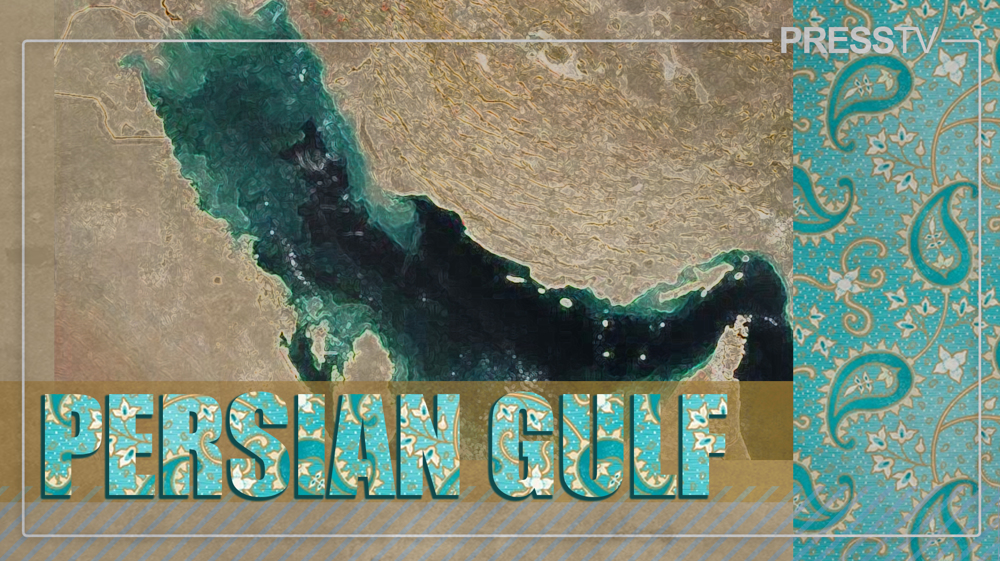
Also, the completion of the North-South Corridor, especially its western route that crosses Iran and Azerbaijan, is the shared and vital goal of the three countries. For Baku, it is highly significant since it entrenches its position as a transit linking ring along a route that connects Indian Subcontinent and Persian Gulf to Russia and Northern Europe. To this end, Baku needs Tehran alignment and so Azerbaijan is aspiring to secure maximum cooperation with Iran.