












Alwaght- As Israeli airstrikes target southern Lebanon once again, killing at least 11 Lebanese citizens, including three children, and wounding 19 in the latest wave of attacks, Beirut government's response remains largely confined to political condemnation and diplomatic maneuvering. For many observers, that approach has created a glaring gap between "official protest" and "real action to stop the aggression."
The new strikes come despite a US-backed framework agreement that was supposed to cement a ceasefire between Lebanon and Israeli regime and kickstart a phased withdrawal of Israeli forces from the south. Instead, Tel Aviv has not only pressed on with its attacks but has explicitly stated it will maintain a military presence in parts of southern Lebanon until Hezbollah, as the only force resisting the Israeli occupation, is disarmed, a position that has effectively deadlocked the agreement. Meanwhile, Washington has stayed silent in the face of the Israeli assaults, taking no tangible steps to rein them in.
Official condemnation without deterrence tools
The Lebanese government's response to the latest Israeli strikes has been strikingly tepid. Prime Minister Nawaf Salam dismissed the attacks as merely a blow to Lebanon's stability, while President Joseph Aoun called them a setback to the negotiation process. But the real issue lies in the chasm between these statements and the government's ability to change anything on the ground.
Over recent months, Beirut's reaction pattern has boiled down to three pillars: condemning the strikes, calling on Washington and the international community to pressure Israeli regime, and pressing ahead with US-brokered talks. In a previous wave of attacks, the Lebanese army itself acknowledged that Israeli army was deliberately targeting efforts to restore stability, yet that recognition went nowhere.
This passive posture, including the willingness to engage in direct talks with an occupying entity, has done nothing to halt the assaults. The August 5 strike that killed one and wounded 12, followed by the high-casualty attacks of August 15, make clear that Beirut's diplomatic toolkit has so far failed to impose any meaningful cost on Israeli regime. And despite Washington's continued refusal to pressure the Israeli leaders into stopping the aggression, Lebanon's government still pins its hopes on US-mediated negotiations, rather than coordinate with domestic forces and resistance elements that might actually shift the balance.
Costs paid by citizens
According to reports, the Israeli strikes have not only exacted a heavy human toll but have also wreaked widespread destruction on homes, infrastructure, farmland, and service centers. A Financial Times investigation paints a grim picture of southern Lebanon's devastation, describing conditions that now make it difficult for many displaced families to return. The report estimates that tens of thousands of housing units have been destroyed, alongside severe damage to water and energy networks.
Against this backdrop, the government's official statements no longer cut it for large segments of Lebanese society. The issue is not whether Beirut condemns the attacks, it is what those condemnations actually achieve on the ground. And so far, the answer is precious little.
Aoun's political suicide
Beirut's cold response to Israel's ongoing aggression is eroding the government's standing, and could snowball into a full-blown legitimacy crisis, especially if the strikes continue and the Lebanese army remains on the sidelines without any operational response to the Israelis.
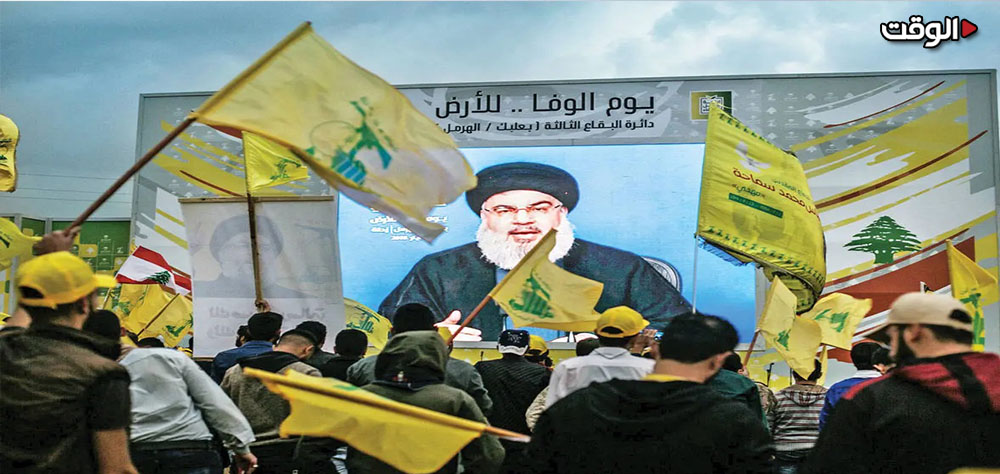
Earlier, Hezbollah Secretary-General Naim Qassem took a direct swipe at the government during a speech marking the anniversary of the resistance movement's 2006 war victory. He pointed out that the ceasefire was supposed to be secured through an agreement with Lebanese officials, but Israel had failed to act on its obligations, while Hezbollah and Lebanon had honored theirs.
"The result," Qassem said, "was 15 months of continuous, albeit low-intensity, aggression." He added that Hezbollah still considers the agreement valid and the framework for its actions.
Hezbollah chief also argued that Lebanese officials, instead of pressing Israel on its violations, have unfortunately focused almost exclusively on targeting Hezbollah's weapons.
That criticism is almost certain to dent public support for a government already seen as passive and detached, and that growing perception of inaction could further drain Beirut's legitimacy at home.