












ALWAGHT- The growing dispute between Tehran and Washington over control of the Strait of Hormuz has transformed the strategic waterway into a battleground both at sea and in the competing narratives surrounding the conflict.
US President Donald Trump has repeatedly claimed that American forces have achieved “total control” of the Strait of Hormuz and that commercial shipping can pass freely. Iranian officials have rejected the claim, saying all maritime traffic remains subject to Iranian supervision and authorization.
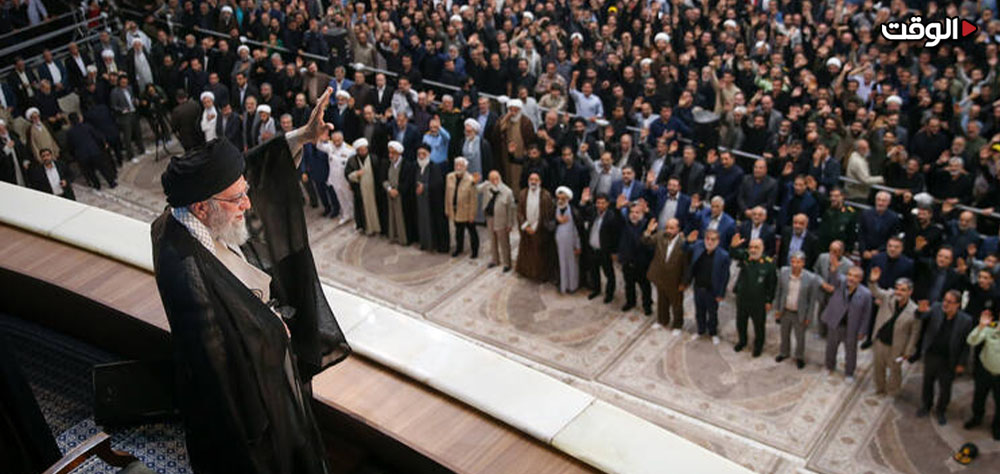
Iranian military commanders say the strait remains under Tehran’s “full management and control.” Brigadier General Abolfazl Zolfaghari and IRGC Navy commander Rear Admiral Ali Ozmaei both emphasized that no vessel can safely transit without Iranian oversight.
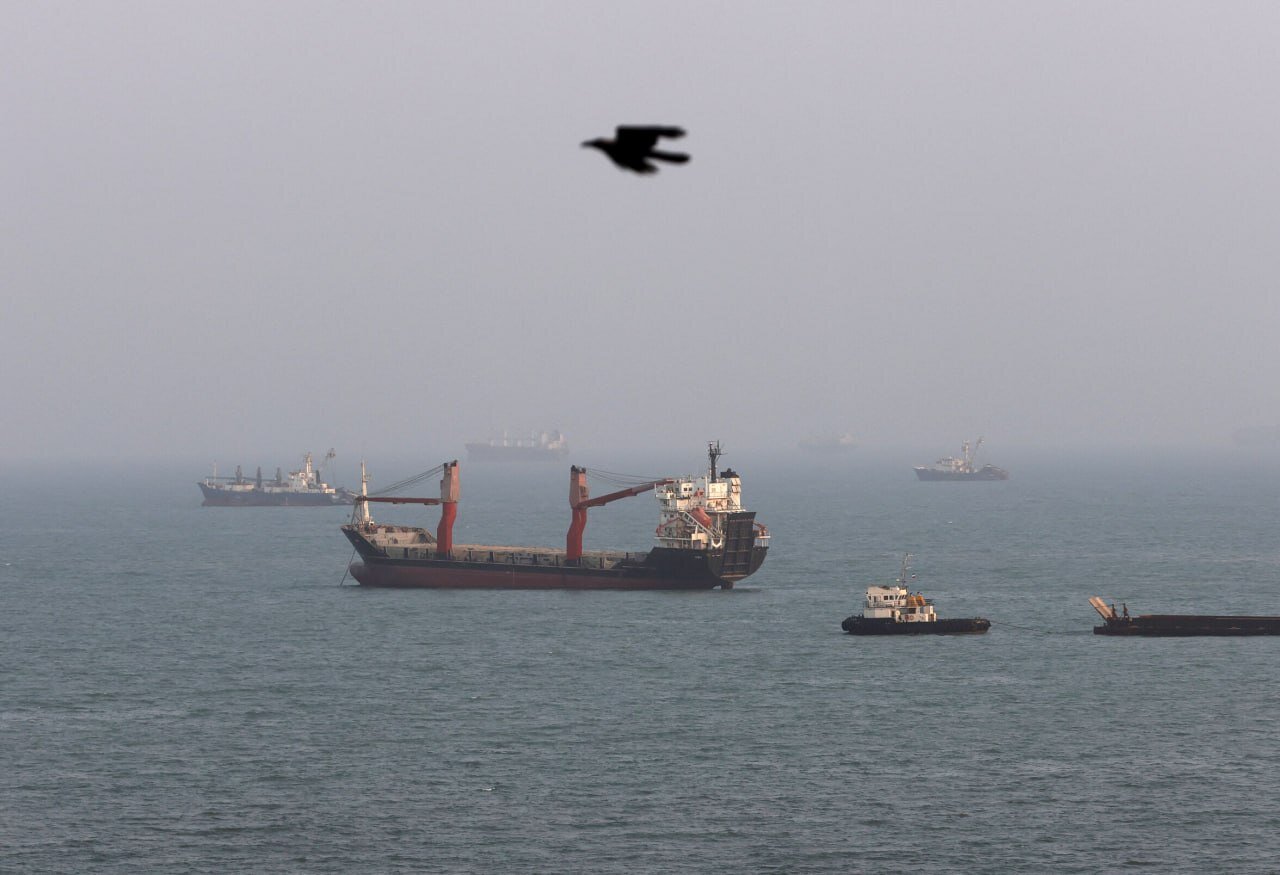
Shipping data, however, presents a more complicated picture. Only a small number of vessels have crossed the strait in recent days compared with pre-war levels, with many using routes administered or approved by Iran. Washington disputes some tracking data, saying vessels with disabled transponders or military escorts may not be fully reflected.
Western analysts have also questioned Trump’s characterization of “total control,” noting that military presence alone does not guarantee predictable and secure commercial passage. They argue that sustained de-escalation would be needed to restore normal shipping and reduce security and insurance risks.
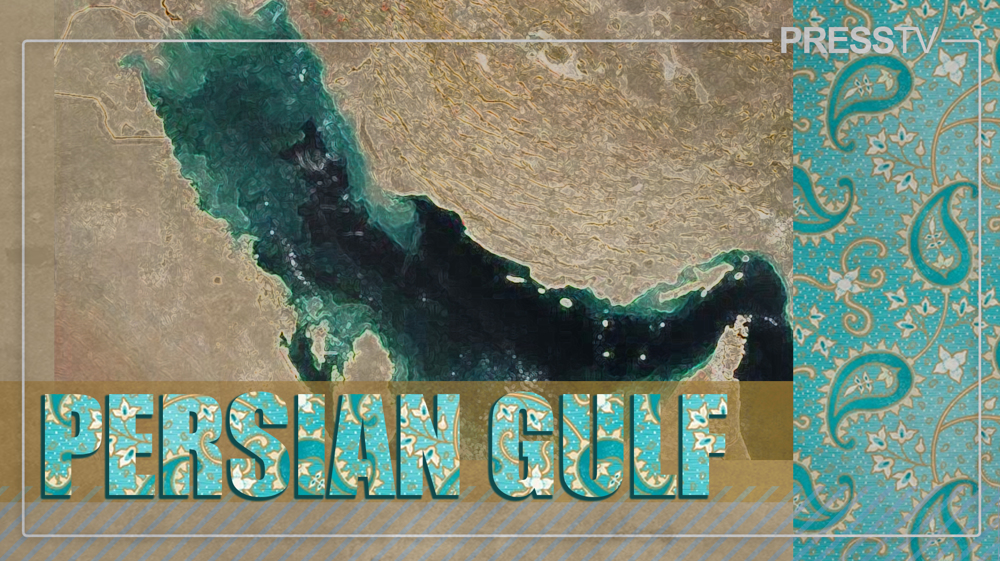
Meanwhile, Tehran is seeking to formalize its role in managing the waterway through discussions with Oman and a proposed strategic framework for the security of Hormuz and the Persian Gulf. The competing US and Iranian claims have become part of a broader political and psychological struggle, with the actual flow of commercial vessels likely to remain the clearest measure of who can effectively control the strait.