








Alwaght- The US-Iran disputes were to be settled within a 60-day period following the agreement, and the initial deal that was signed on June 17 was planned to turn into a final one. But the field reality has put another path ahead of these adversaries. Just against the expectations not only the clashes did not stop, but also the field of competition has changed.
Not long ago, the nuclear case, missile program, and regional influence of Iran were the cases of dispute between Tehran and Washington, but now all these cases are buried under the shadow of the Strait of Hormuz.
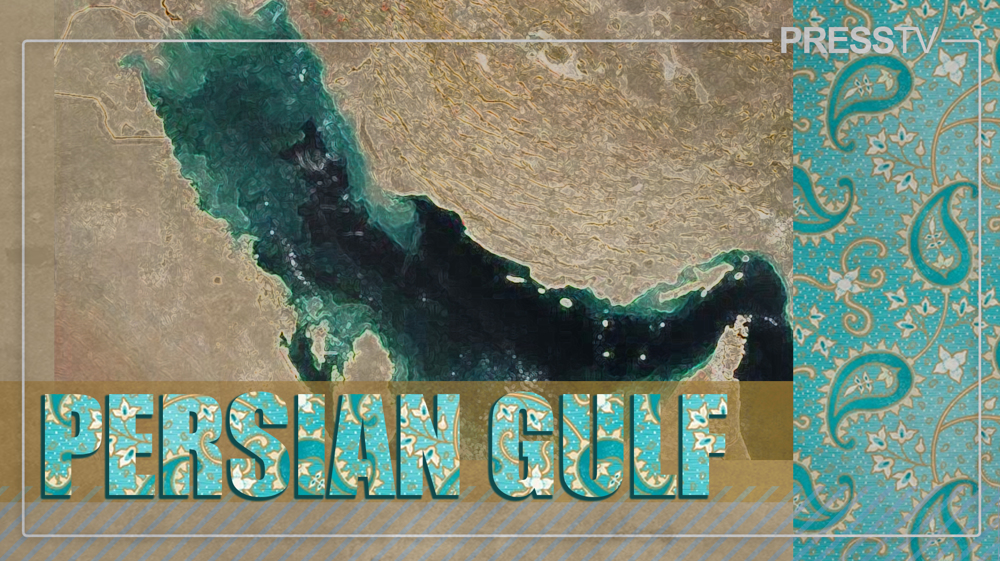
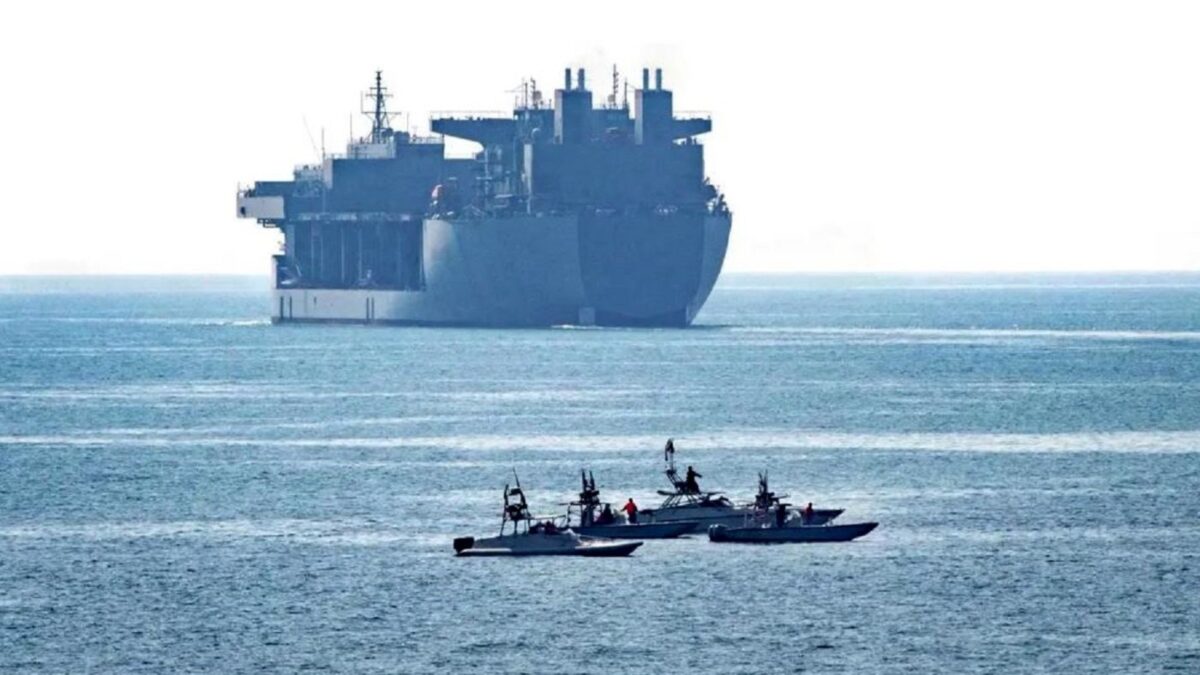
All eyes are now on a waterway that is seen as the main artery of the world's energy. The ongoing war between Iran and the US is not for seizure of a territory or natural resources, but for the "right of legislating" for the Strait of Hormuz; about who to write the laws of shipping and who to formulate the future security order in this strategically important sea crossing. These are what turning this confrontation into one of the most complicated geopolitical competitions of recent years.
The reason behind continued clashes is clear: None of the two wants to back down from its stated postures. Actually, the Strait of Hormuz case has gone beyond a technical or legal issue, becoming a matter of image and prestige. Any withdrawal of their position means ceding one of the main strategic cards to the opposing side.
The Americans are pushing for a new mechanism of transit, one cutting the dependence of the security of navigation to Iranian decisions and take Strait of Hormuz off Iran's hands as a deterrent instrument.
Washington knows full well that as long as Iran retains leverage over the Strait of Hormuz, it holds onto one of its most vital geopolitical cards, one Tehran can play not only in current negotiations but in any future crisis or bargaining round to expand its maneuvering room and extract concessions from the US and its allies. That is precisely why Washington is bent on stripping Tehran of this pressure tool.
Iran, for its part, maintains that the Strait of Hormuz is part of its coastal zone and territorial domain, and that no extra-regional power has any right to dictate how it is managed. In Tehran's view, Hormuz is not merely a shipping lane, but it is an integral part of national sovereignty and strategic security, a waterway that has been under Iranian influence and control for centuries, and one that cannot be turned into a playground for outside powers to impose their own rules and mechanisms.
This current battle, then, is less about military clashes and more about cementing a new order. Every limited operation, every naval move, every political gambit is part of each side's effort to impose its preferred rules on the other. In essence, both countries are racing to settle the most consequential geopolitical file between them before even entering final negotiations over other disputes.
That explains why, despite ongoing hostilities, Iranian and American officials keep talking about negotiation and reaching a deal. They both understand that all-out war serves neither Tehran nor Washington. Indeed, the cost to the region, the global economy, and even the US itself would be prohibitive. But at the same time, neither side is willing to walk away without securing gains.
In fact, both are jockeying to sit at the negotiating table with the upper hand. Every tactical success in the strait can translate into a trump card in future talks, and that dynamic makes continued low-level conflict all but predictable.
Arab states a shield to the US
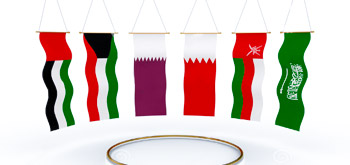
The Persian Gulf Arab states have become involved too much in this unfolding crisis. Bahrain, Kuwait, Qatar, and Oman which host the American military bases have now, unwantedly, become part of the Washington-Tehran face-off. They have long thought that the US military presence will ensure their security, but recent developments have proved otherwise, making them potential targets.
In practice, these countries have become a shield for Washington, something they did not regard in their expansion of military cooperation with the US. Iran's missile strikes in these countries uncovered this reality, proving that any escalation can broaden the domain of crisis and bring the host countries face to face with security threats.
Now, these countries are facing a difficult reality more than any other time; neither able to defuse Washington-Tehran tensions nor fully get themselves away from the crisis fallout. That is why their diplomatic efforts have so far gone nowhere.
Why does the conflict continue?
The nature of the confrontation between Tehran and Washington makes one thing clear: neither side is after an all-out war. Yet political and security considerations keep the low-level conflicts very much alive.
Right now, the US is boxed in by serious political constraints. It cannot afford to walk away from this standoff without something tangible to show for it. Backing down on the Hormuz case would be read inside the US as a sign of weakness, and that would carry a heavy political cost for the administration and Republicans, especially with congressional elections looming.
European allies, too, would not hold back their criticism. They ask about the point of this war after months of energy shocks and disrupted maritime trade hammering the Western economy. In the end, a waterway that was open before the US's saber-rattling would now be operating under Iran's full management.
Iran, for its part, views the Strait of Hormuz as a red line of national security and will not hand over its management to any mechanism that sidelines Tehran's role and sovereignty. In the Islamic Republic's calculus, accepting such an arrangement would not only weaken Iran's regional standing, but also would set a precedent for outside powers to meddle in other areas of the country's security down the line.
More critically, the energy market has turned into a tug-of-war between Iran and the US, and whoever gains the upper hand in the strait could wield far greater influence over the market's future trajectory. Trump is bent on insulating markets from the fallout of sustained tensions with Iran, and locking in a new corridor through Hormuz would give him more room to ramp up military action against Iran until he reaches his desired endpoint, without sweating price volatility. Iran, in turn, is fighting to preserve its deterrent leverage over the energy market equations.
Strait of Hormuz has now become the most important area of test of their political will, and therefore the competition's result will determine the path of negotiations on other key matters. If one side can impose its favorable principles, it will step into next talks with more self-confidence and power. But as long as the two sides fail to agree on a common point, the circle of limited clashes will continue. This situation not only threatens security in the Persian Gulf, but also puts the energy market, sea trade, and global economy into a fragile condition.
What is unfolding today in the Strait of Hormuz can be one of the most different confrontations of the temporary conflicts in which the borders are not changed but principles of powers are re-drawn. It is a conflict in which the winner is not owner of new territories but the founder of new security order of one of the world's most vital waterways.