









Alwaght- The joint American-Israeli war against Iran, known as Ramadan War in Iran, marks a turning point in the transformation of the classic concept of deterrence. Having started with massive aggression against Iran, the conflict more demonstrated the efficiency of asymmetrical deterrence approaches more than conventional military superiority.
With a combination of geopolitical weapons, regional influence, and popular mobilization beside military mobilization, Tehran introduced new equations that shattered the enemy’s push for realizing the strategic objectives of its hybrid warfare and changed the traditional take of deterrence.
Redefinition of power factors: From nuclear bomb to Strait of Hormuz as weapon
Deterrence, as one of the oldest concepts in military and diplomatic doctrine, has always hinged on a simple equation: the cost of attack must outweigh its benefits. In classic strategic thinking, the nuclear bomb is the ultimate deterrent. But the Ramadan War, in many analysts’ view, marked a turning point in that logic.
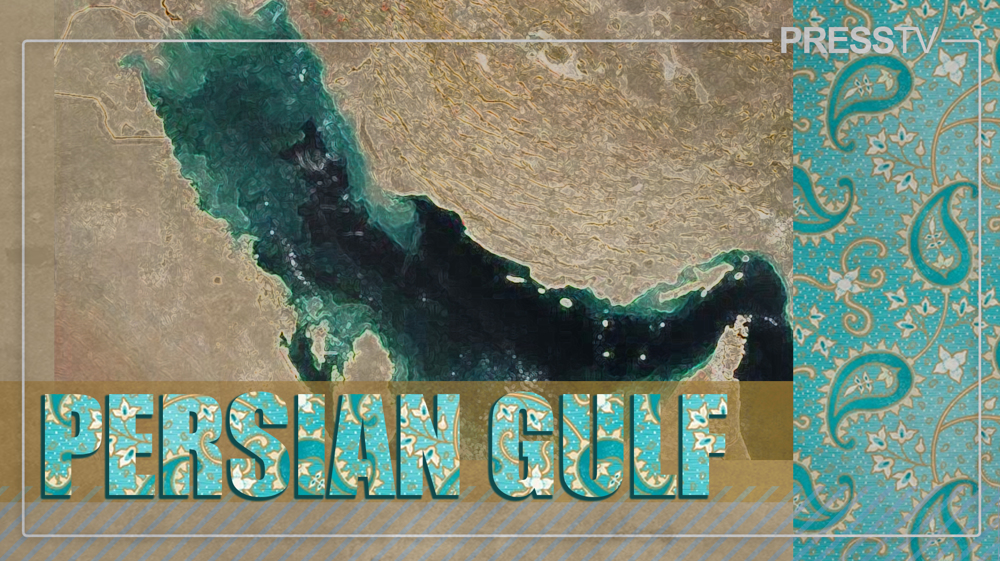
During this war, Iran managed to upend much of the enemy’s strategic planning and war objectives by forging entirely new arenas of resistance: expanding the regional reach of proxy forces, mobilizing popular street presence, and, crucially, playing the Strait of Hormuz card to squeeze global energy markets and ratchet up pressure on its adversaries.
Now, many strategists argue that the Strait of Hormuz proved far more useful to Iran than any nuclear weapon ever could have. Possessing an atomic bomb, given the catastrophic consequences of its use, does not necessarily guarantee deterrence, a fact Iran itself demonstrated when it directly took on two nuclear-armed powers and struck their interests.
What Iran showed in that war was this: effective deterrence does not require the bomb. It can be built on creating asymmetry across three distinct levels, geopolitical (the Strait and the oil weapon), grassroots-military street mobilization), and regional war represented by the "unity of fronts" policy.
By blocking or threatening to block the strait, Iran targeted the world's vital energy artery. This move not only sent the world energy markets tumultuous, but also neutralized the enemy’s strategy for a lightening win. American observers admit that Iran's control over the Strait of Hormuz has become a weapon more effective than the nuclear warheads, to an extent that even in case of agreement, resumption of threat will be available as a lasting leverage.
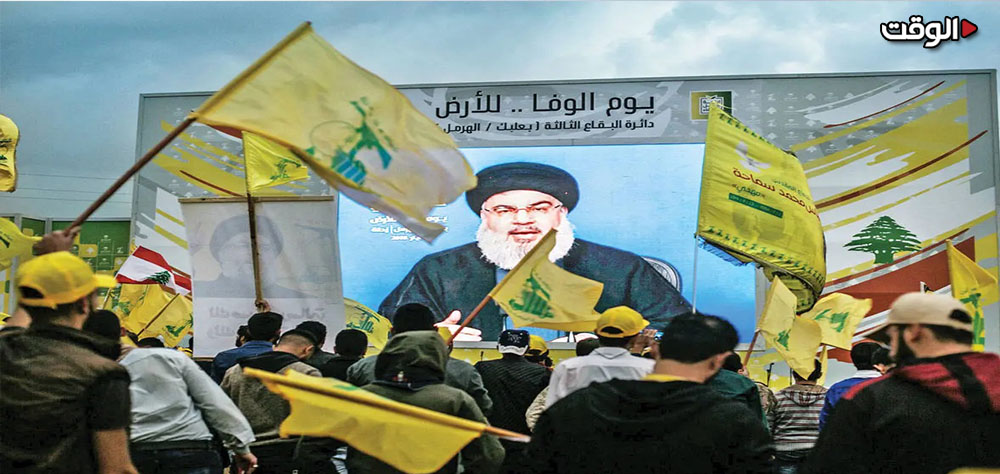
Add to this the network of aligned players and regional allies, now seen as a core component of deterrence capacity. Unlike traditional models that tied deterrence solely to a single state's muscle, this new framework leverages a sprawling web of political, security, and regional assets that operate in concert, complicating the adversary's strategic calculus to no end.
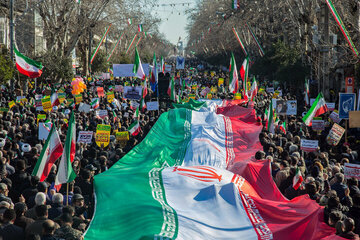
Then there's the other game-changer: public opinion and social capital in wartime. Recent conflicts have proven that social cohesion, the ability to manage popular sentiment, and domestic staying power can be every bit as deterrent as any weapon. The more resilient a society is under the strain of war, the harder it becomes for the other side to achieve its political objectives.
Fourth angle: The revenge discourse and shift of equation of threats
But the most important, most creative, and most complicated layer of this asymmetrical deterrence goes beyond battlegrounds and straits: Deterrence based on revenge discourse.
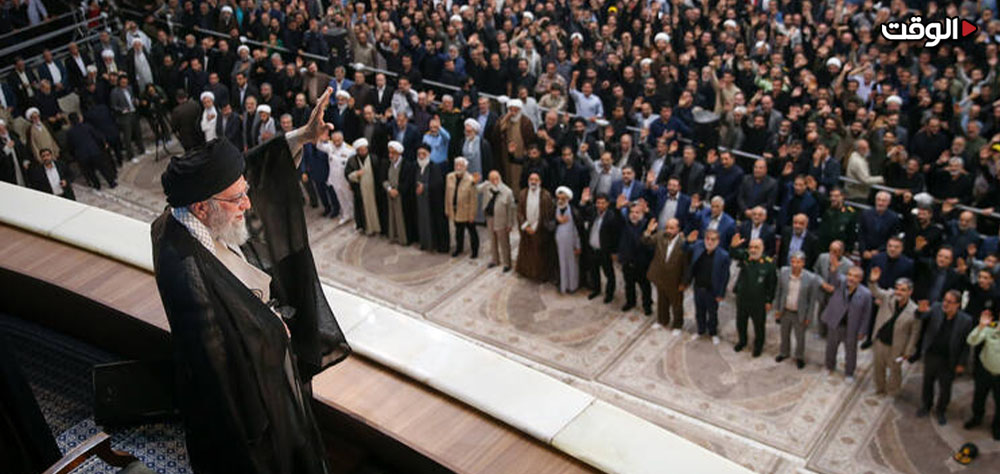
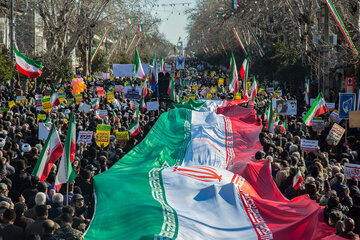
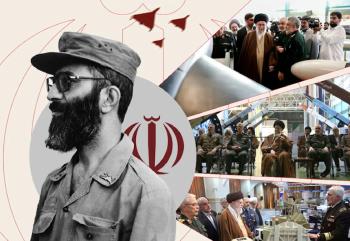
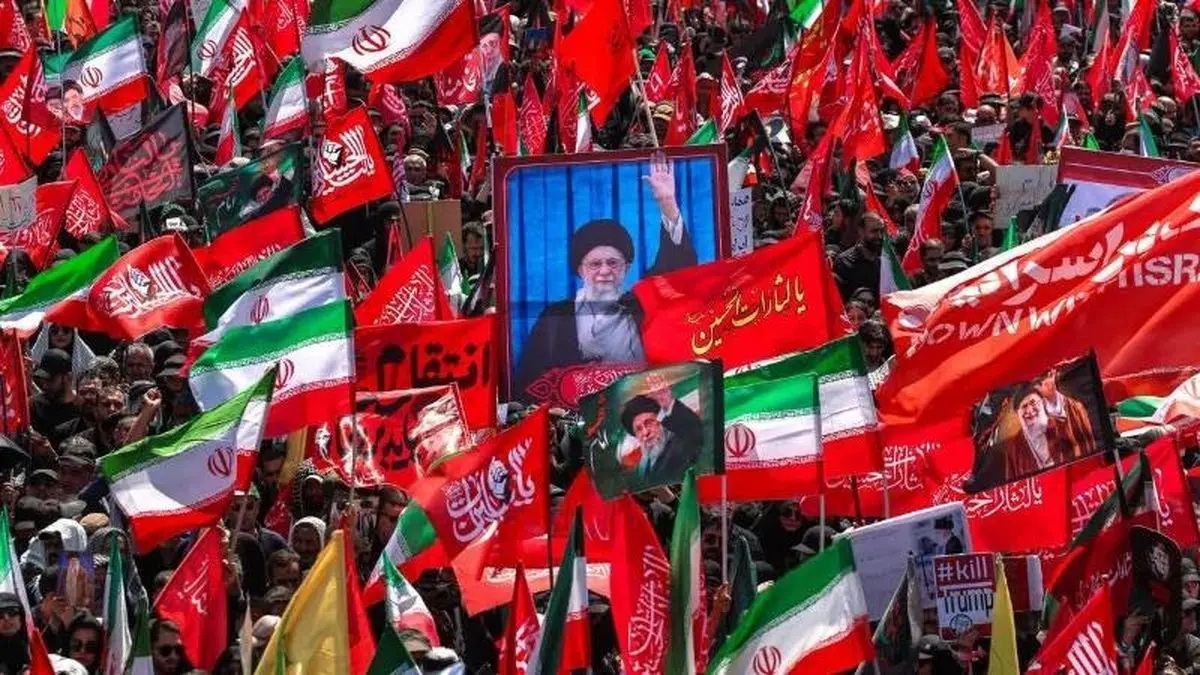
During the magnificent funeral of the martyred Leader Sayyed Ali Khamenei over a week, millions took to the streets across the country to mourn their leader, turning the event into a spontaneous campaign calling for vengeance on the assassins of leader, namely all of the figures and designers and agents, and orderers of the crime.
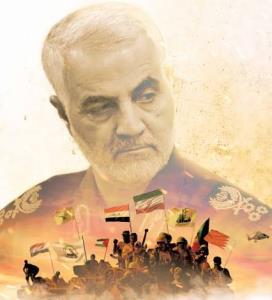
As this new discourse gains traction, media outlets, political circles, think tanks, and even security establishments have put it front and center. Its significance only sharpened in recent days, when the commander of Iran's Islamic Revolutionary Guard Corps (IRGC) and the head of its Quds Force issued separate statements doubling down on this very demand, framing it as an operational pillar of the Axis of Resistance in the region.
So, military targets are no longer the only game in play. Now, beyond the American and Israeli military bases and assets, the leadership of both regime's, and their families, have been placed squarely and unconditionally on the resistance's priority targeting list. The outcome is that even if a ceasefire or end-of-war deal removes the immediate military threat to US government assets and forces, the shadow of retaliation will never lift from the individuals and families implicated in the martyrdom of Iran's supreme leader and his family. Actually, that threat of retribution is permanent, and non-negotiable.
To put it differently, revenge is a missing ring that has broken the classic deterrence free from the exclusion of the governments and has made it a national will and historic demand of nations. This is a creativity that makes Ramadan War a turning point to fundamentally review the deterrence theory.