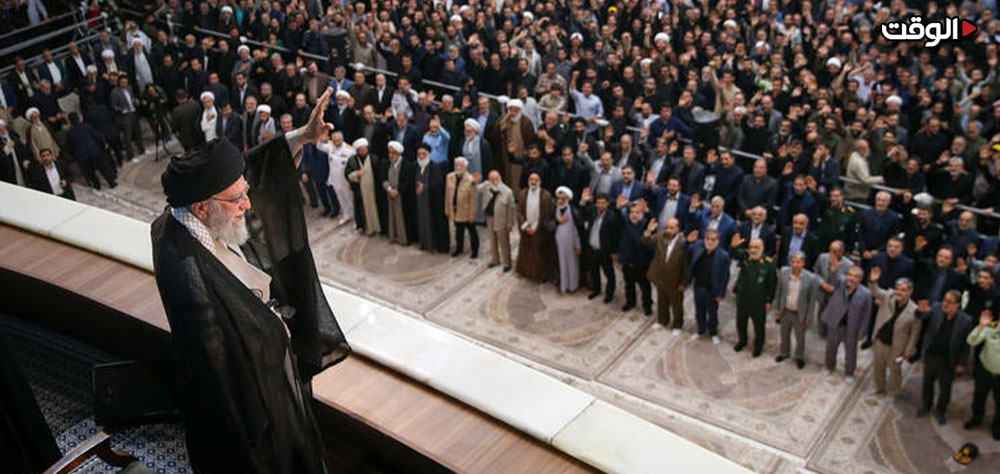










Alwaght- After a directive from the Supreme Leader and Commander-in-Chief Ayatollah Seyyed Mojtaba Khamenei on the need to move beyond no war, no peace limbo, and with overt and covert consultations between US and Israeli military and intelligence officials, including the recent trips by the CENTCOM chief to the occupied territories and, before that, the Mossad director's visit to Washington, raising the odds of a new military adventure by the enemy, Iran's political and military climate has turned to sharper warning language to meet the enemy's behind-the-scenes maneuvers and intentions.
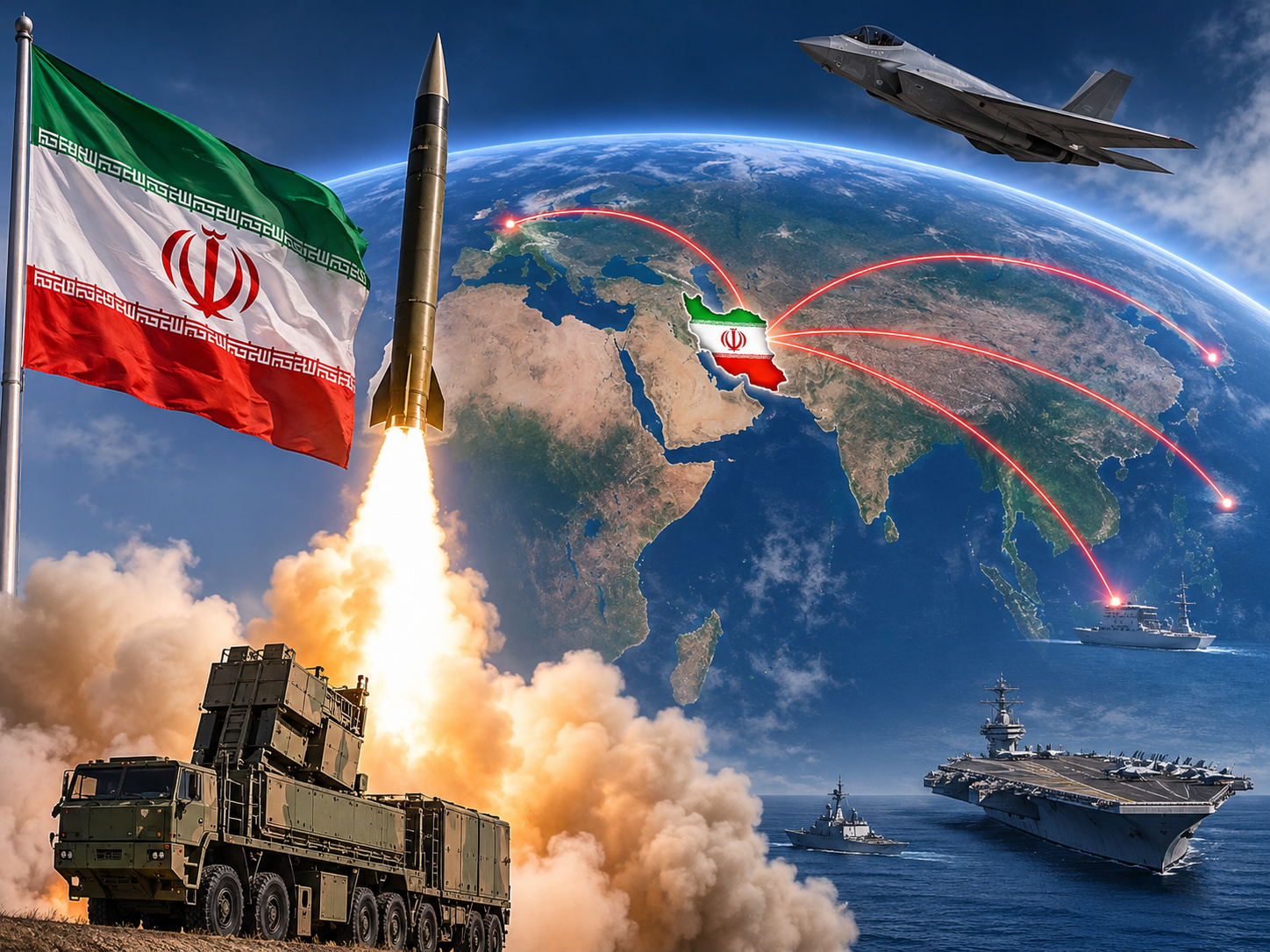
In one case, Brigadier General Hossein Mohebbi, spokesman for the Islamic Revolutionary Guard Corps (IRGC), on Thursday on the sidelines of the "Pioneers of Liberation" congress, in response to a question about Iran's missile capability, implicitly confirmed that the range of ballistic missiles has been upgraded, declaring readiness to strike distant enemy bases. He stated that the country's armed forces had previously fired missiles toward Diego Garcia that traveled some 4,500 kilometers. He also warned that if Washington uses bases in other countries to attack Iran, the origin of those attacks could also be targeted in response by Iran's armed forces.
He again emphasized on Wednesday that Iran is upgrading the precision and destructive power of its missiles day by day.
Separately, Mohammad Mokhber, special aide to the Leader, warned about a possible enemy threat that Iran will not observe geographic limits in the next war.
First message: End of guaranteed security for the faraway American bases
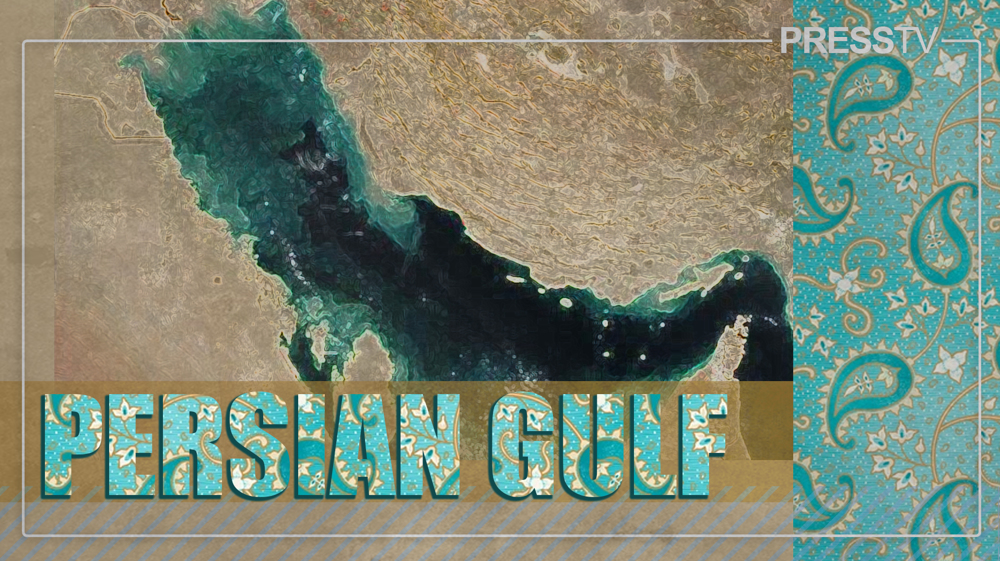
The first strategic message of these remarks is that they upend Washington's security calculus about the geographic distance between US military bases and Iranian soil. For years, one of the US's key advantages in a military confrontation with Iran was its sprawling network of bases across neighboring countries and the Persian Gulf. Those installations allowed it to position fighter jets, bombers, drones, air-defense systems and support equipment within relatively close range of Iran.
The 40-day war, however, showed just how vulnerable that geographic edge could be. With US bases in the region under Iran's missile, drone and air-attack umbrella, a significant share of their operational capacity was put at risk. The use of ballistic and cruise missiles, suicide drones and reconnaissance-combat UAVs, alongside strikes on military and support infrastructure, drove up the cost of maintaining a military presence near Iran's borders.
Against that backdrop, relocating equipment and strategic aircraft to more distant, dispersed locations became one option for reducing America's vulnerability. The significance of bases like Diego Garcia and British military facilities fits into this framework. Though farther from Iran, they can still play a role in supporting US military operations thanks to their logistics and operational infrastructure.
Diego Garcia, in the Indian Ocean, hosts a joint US-British military base that, given its great distance from Iran, is considered a key support hub for American military operations in the region. Its importance grew during the 40-day war when reports emerged of Iranian ballistic missiles fired toward it. At the time, The Wall Street Journal reported, without confirmation, that two Iranian missiles had been fired at the base.
Yet if Washington had assumed that moving its aircraft, bombers and strategic equipment farther from the Persian Gulf could put them beyond the reach of an Iranian response, Tehran's new message throws that calculation into doubt. Confronting distant threats has now become part of Iran's deterrence messaging.
From dimension, Tehran's message is clear: Iran's armed forces will not simply watch American aircraft shuttle in and out of distant bases in a future war. If those hubs play a role in operations against Iran, geographic distance alone will not guarantee their safety.
Second message: Expanding deterrence boundaries
The second message in the IRGC spokesman's remarks is aimed at countries outside the region that are at the disposal of US forces in one way or another, or that use their infrastructure to support military operations against Iran.
Here Tehran draws an important distinction: between merely hosting American forces and taking operational part in military aggression. From a legal and political standpoint, if a country's territory, facilities or assets are used to carry out an attack on another country, that country's claim to neutrality no longer makes sense.
This issue carried major lessons for Iran's deterrence doctrine during the 40-day war. Some European countries spoke of not participating directly in the war while their military facilities and infrastructure were being placed at the US disposal.
NATO Secretary-General Mark Rutte's remarks on September 30 in an interview with Euronews, are notable in this regard. He announced that since the start of the military operation dubbed "Epic Wrath," some 5,000 US aircraft flights had launched from European bases. Rutte also stated that European countries had, through bilateral agreements, made their infrastructure and facilities available for American use.
Those remarks proved just how significant Europe's military infrastructure was in supporting US operations.
Official British parliamentary documents, meanwhile, show that on March 1, 2026, London agreed to a US request to use the British bases at Diego Garcia and Fairford as part of a specific, limited defensive operation against Iranian missile facilities. In an official response that April, the British Ministry of Defence said the use of Akrotiri in Cyprus was being assessed case by case, depending on the nature and purpose of the requested activities.
This evidence shows that the geography of participation in war is not confined to Iran's neighbors and Persian Gulf states. Military infrastructure in Europe and far-flung corners of the Indian Ocean can also fall within the support chain for military operations against Iran.
Iran's new message should therefore be read as a warning to European governments and other countries outside the region to factor the consequences of providing military facilities for an attack on Iran into their calculations.
In effect, Tehran is trying to raise the political and military cost of hosting hostile forces, meaning a host government cannot make its territory and military facilities available for operations against Iran while expecting its own geography to be spared the potential fallout of war.
Third message: forward deterrence and moving beyond geographic limits
The third and perhaps most important message of this development concerns a shift in Iran's deterrence doctrine.
For years, Tehran repeatedly declared that its 2,500-kilometer cap on ballistic missile range was a self-imposed choice based on its reading of the threat environment, not an absolute ceiling on its technical and engineering capacity.
Now, however, the cluster of official statements about lifting the missile-range limit and responding to threats without geographic constraints points to a change in those calculations.
Three distinctions therefore need to be drawn:
Technical capability: the ability to design and develop missiles with a range beyond 4,500 kilometers.
Operational capability: possessing systems capable of greater destructive power.
Strategic decision: setting the targets and geographic scope for using that capability, in line with the Commander-in-Chief's orders.
General Mohebbi's recent remarks link these three levels together, showing that the issue is not merely missile-technology development; the real subject is a change in the strategic decision-making framework and in how the geography of response to threats is defined.
This is where the concept of "forward deterrence" comes into play. The shift should not, of course, be read as abandoning the defensive character of Iran's military doctrine or moving toward warmongering or unconstrained military aggression. What is changing is the geographic and operational scope of the response to threats, meaning that defending national security is no longer necessarily confined to the country's borders or nearby bases.