



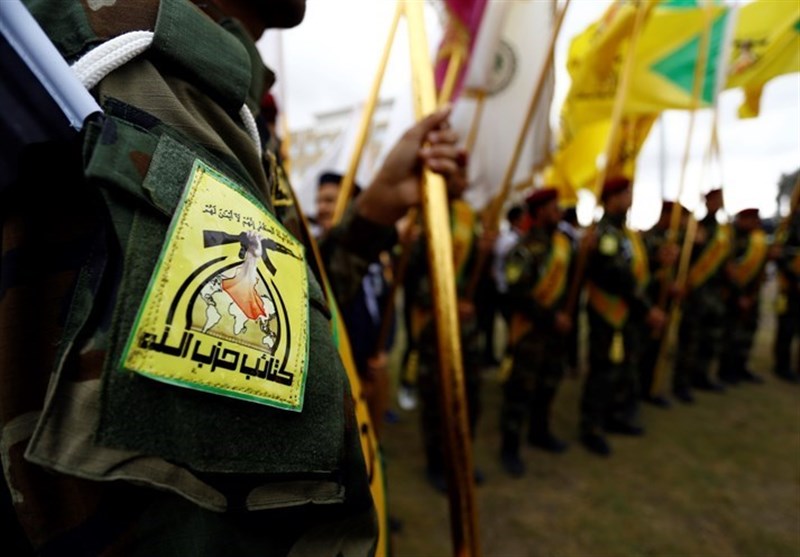


Alwaght- Recent developments in Iraq and escalating tensions between Prime Minister Ali al-Zaidi's government and Kataib Hezbollah resistance movement have produced one of the country's most volatile political and security crises in months, one that, if left unmanaged, could spiral into internal confrontation between forces that both see themselves as part of Iraq's political and security architecture.
As the US continues its push to curb the influence of resistance factions and disarm anti-terror groups that pose an obstacle to revival of ISIS terror organization in Iraq, deepening divisions inside Iraq could hand Washington its biggest opportunity yet. From this dimension, preserving national unity and preventing the outbreak of internal conflict must take priority.
What is the root of dispute between al-Zaidi and Kataib Hezbollah?
The epicenter of the region's current crisis is Jurf al-Sakhar in Babil province, south of Baghdad, a strategic area that, after its liberation from ISIS occupation in 2014, became one of the key hubs for Iraq's resistance forces. In recent days, al-Zaidi's government has launched sweeping security and judicial measures there, leveling accusations of oil smuggling. Iraqi officials claim a smuggling network operating in the area, tampering with pipelines and colluding with security and oil officials, has cost the public treasury hundreds of millions of dollars. The government also says it has uncovered equipment used for the illegal transfer and storage of oil.
Al-Zaidi,meanwhile, has dismissed nine security and administrative officials and ordered suspects referred to the judiciary. At the same time, army and security units have deployed around Jurf al-Sakhar, and the government has demanded that Kataib Hezbollah forces withdraw from the area. The prime minister has set a November 20 deadline for the pullback.
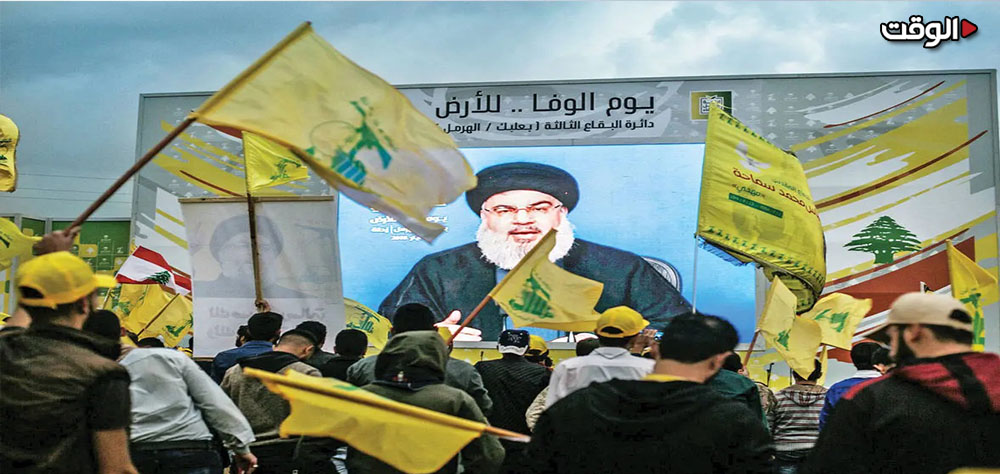
Kataib Hezbollah, for its part, has rejected the smuggling allegations, framing the government's moves as pressure tactics aligned with Washington's aim of disarming the resistance. The resistance movement insists the fuel facilities in the area serve its own forces and equipment. Meanwhile, Kataib Hezbollah officials have warned that any forced entry by government forces into its positions could trigger a confrontation.
Iran's push to prevent clashes: Iraqi unity a priority for Tehran
As tensions mount, Iran has moved to keep political differences from escalating into a military confrontation between the Iraqi government and resistance forces. The visit to Baghdad by Brigadier General Esmail Qaani, commander of the IRGC Quds Force, and his meetings with the PM and leaders of the Shiite Coordination Framework (SCF) should be read in that light. Reports from Al Jazeera, the AP and Rudaw indicate that the core of Qaani's consultations was preventing an armed clash and finding a political solution to defuse the Jurf al-Sakhar crisis.
The top Iranian commander, Al Jazeera reported, discussed ways to resolve the dispute with Iraqi government officials and SCF leaders. Reports have also surfaced of efforts to replace Kataib Hezbollah forces in Jurf al-Sakhar with another Popular Mobilization Forces unit, a plan that could preserve the central government's presence and authority while averting a direct clash between Iraqi forces. The details of any such agreement, however, have yet to be officially confirmed by Tehran or Baghdad.
Iran, in short, wants to preserve Iraq's stability and political cohesion at a sensitive regional juncture. None of the main factions of the resistance front stands to gain from turning internal differences into war among Iraqi forces. Iraq's resistance played a major role in the fight against ISIS and in defending the country's sovereignty over the past years, and weakening cohesion among Iraq's political and military groups could put those gains at risk.
The rift within the SCF, meanwhile, underscores just how combustible the situation has become. Reports point to disagreements between ex-PM Nouri al-Maliki and Hadi al-Amiri over the Zaidi government's hardline approach. Al-Maliki has stressed the need to avoid a military confrontation with Kataib Hezbollah, and some political leaders are calling for a negotiated settlement. Those positions show that a significant segment of Iraq's political class sees preventing internal conflict as a strategic imperative.
Internal dispute a strategic gift to the US
Washington's pressure on Baghdad cannot be divorced from the calculus of the current crisis.the US President Donald Trump has pressed al-Zaidi to disarm resistance groups, and since taking office, the Iraqi PM has floated plans to bring all weapons under state control. Washington frames the policy as a bid to strengthen central government authority, but in practice, one of the foremost goals of American regional policy is to curtail the military and political power of Iraq's resistance forces.
Trump's open backing for disarming resistance groups, coupled with Washington's political and economic pressure on Baghdad, shows the Americans are watching Iraq's internal developments closely. Under such conditions, any clash between the Iraqi army and Kataib Hezbollah could weaken the resistance front, fracture Shiite parties and open the door to greater American influence.
Therefore, heightened dispute between security and political factions in Iraq can hand the US part of its goals. If the rift over Jurf Al-Sakhr produces an armed clash, the Iraqi forces instead of focusing on foreign threats and national security will be bogged down in an internal conflict of attrition. Such a situation can prepare the ground for deeper American interference and influence in the country's security and political structures.