















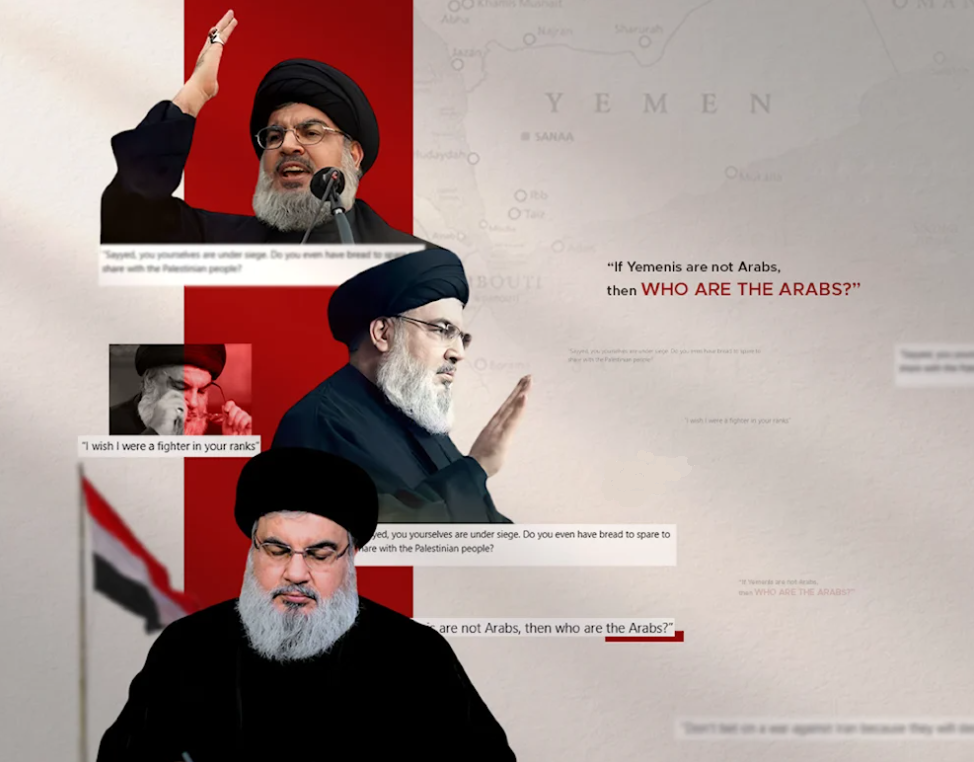


ALWAGHT- Years before Yemen became a significant actor in regional affairs, Sayyed Nasrallah identified the country’s potential, portraying its people as capable of withstanding prolonged conflict, maintaining their resistance, and ultimately influencing the strategic balance in West Asia.
Sayyed Hassan Nasrallah viewed the Saudi-led war on Yemen, launched in 2015, as an attempt to impose a political outcome through military force and restore outside influence over Yemen. He repeatedly argued that Yemenis retained the ability to resist and determine their own political future.
Throughout the conflict, Nasrallah emphasized the limits of military power in achieving political submission. Yemeni figures interviewed recall his speeches as a source of solidarity and morale, particularly during periods when Yemen felt internationally isolated.
Yemen’s military capabilities gradually expanded, including operations that reached targets beyond its borders. After October 2023, the Yemeni Armed Forces further expanded their regional role by launching operations in support of Gaza, bringing the Red Sea and Yemen directly into the wider regional confrontation.
Nasrallah highlighted the connection between Yemen and Palestine. He portrayed Yemen’s resistance as part of a broader regional struggle and repeatedly rejected efforts to separate the Yemeni conflict from wider questions of sovereignty, resistance, and Palestine.
Yemen’s path demonstrated the strategic significance of local actors that had initially been treated as marginal. The country’s survival through years of war, development of military capabilities, and growing influence over regional security transformed its position in West Asia and made Nasrallah’s longstanding focus on Yemen a significant part of his wider regional outlook.










