








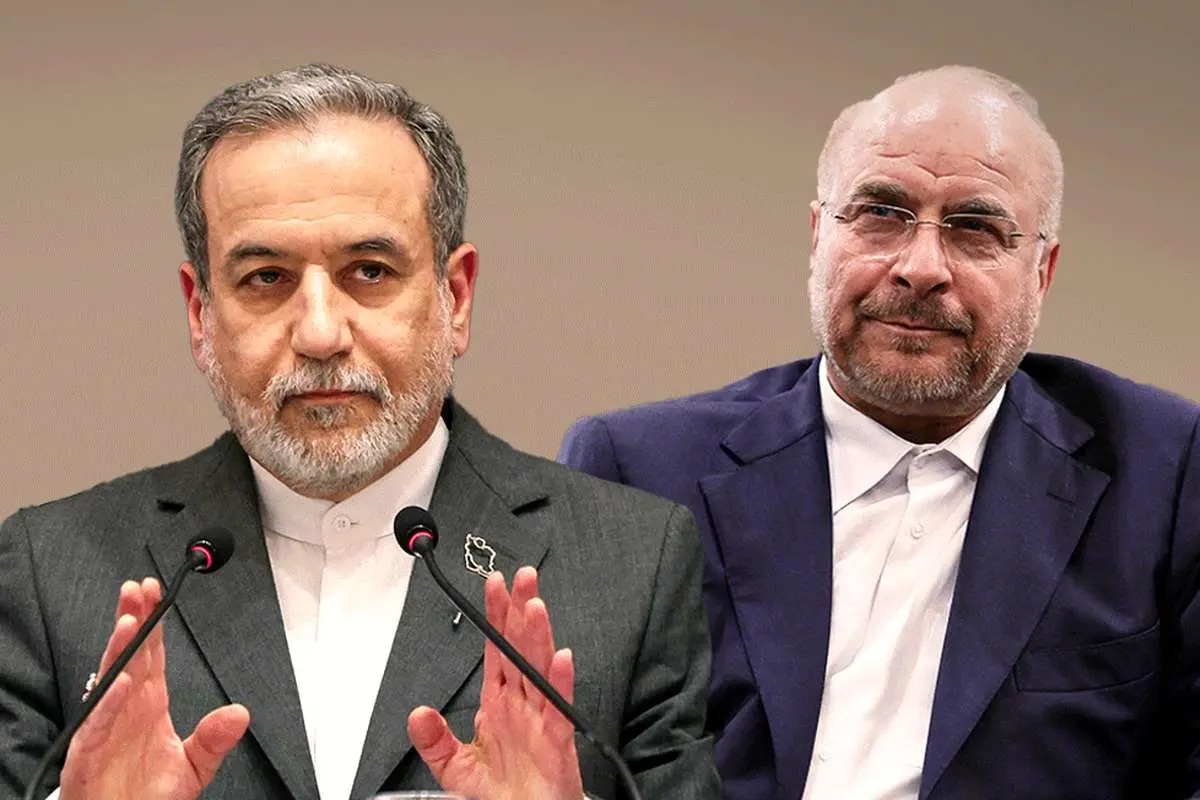


Alwaght- Amid growing speculations about a potential Iran-US deal, the surprise visit to Qatar of chief negotiators Mohammad Bagher Ghalibaf, the Iranian parliament speaker, and Foreign Minister Abbas Araghchi, has brought to attention the issue of frozen Iranian money in the Arab state as the one of the main preconditions for a possible agreement.
In its 10-point proposal for peace, Iran has raised full lifting of main and secondary sanctions as well as revoking the UN Security Council resolutions. So, release of the assets that are blocked in various countries, including Qatar, under the sanctions on Iran’s banking sector is one of the top preconditions.
Currently, it is unclear exactly how much of the Iranian money is frozen abroad, but according to the estimates, they reach $100 billion. Meanwhile, a considerable amount is blocked in the Qatari banks, reaching $12 billion.
These are not usually frozen by Qatar, but Iran’s assets in the international financial system whose transfer is impossible due to sanctions on Iran. The case dates back to a couple of years ago, when Joe Biden’s presidency coincided with that of late President Sayyed Ibrahim Raisi of Iran.
When Raisi started his administration, the official view of Tehran was that the economy should not be pending the negotiations with the US. At the time, the US asserted that release of the Iranian assets was possible only if a deal was inked, but Tehran rejected this condition, saying that these assets are unconditionally Iranian people’s right.
Ultimately, the issue of unlocking financial assets was decoupled from the nuclear case and repurposed as a “money-for-prisoners” side deal, serving as an incentive for a non-nuclear action, namely the exchange of dual-nationality prisoners.
Back then, Qatar, alongside Oman was a key mediator in the nuclear talks. At one stage, the release of Iran’s $7 billion in frozen assets held in South Korea was floated as a gradual step toward a final agreement.
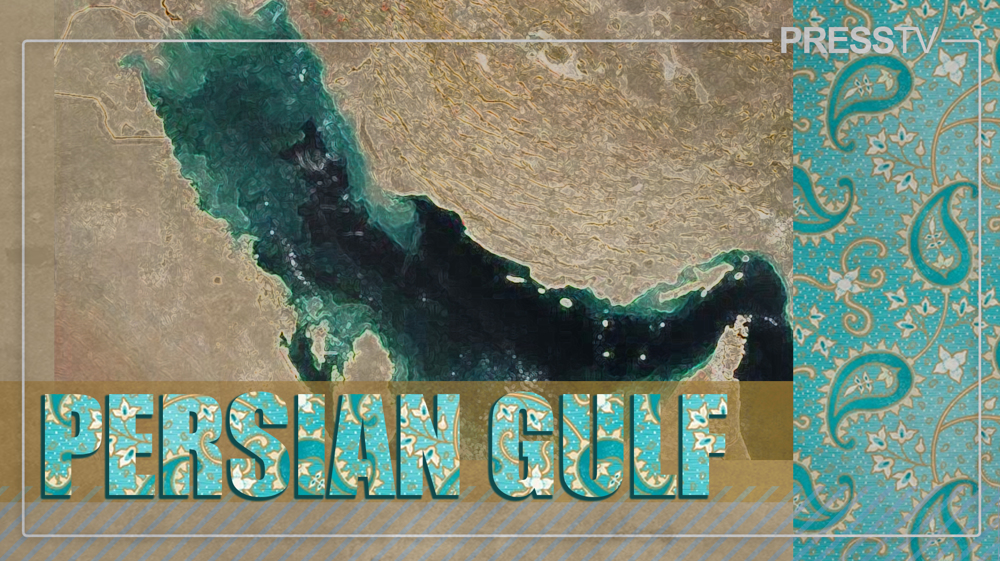
South Korea, constrained by US secondary sanctions on Iran, refused to release the funds. That refusal turned into a major diplomatic headache between Tehran and Seoul, escalating to the point that in March 2021, Iran’s Revolutionary Guards seized a South Korean tanker in the Persian Gulf, a punitive move that played a significant role in pushing the Koreans to cooperate in transferring the money to Qatari banks.
South Korea had been the sole buyer of Iranian gas condensates. After US sanctions were reimposed in 2018, the payments for those shipments remained trapped in Korean banks.
In the summer of 2023, the money was finally deposited into Qatari banks. But that was not the end of it. Right after the October 7, 2023, attack and the ensuing Gaza war, the political climate shifted. The US announced it would once again restrict Iran’s access to the funds, effectively re-freezing them.
Yet in recent days, as White House officials float the possibility of an interim deal taking shape, hawkish warmongers and the pro-Israel lobby, desperate to drag Trump into another war on Israel’s behalf, have launched a wave of criticism centered on “fear of a weak deal.” For now, they’ve zeroed in on the issue of unlocking Iran’s frozen assets as the tip of the spear in their campaign against the negotiations.
Towards this end, these parties that include some Democratic-leaning media outlets have republished some of open criticisms of Trump against Obama in the past for the latter’s concessions made to Iran, including access to part of its blocked assets.
In this connection, on Saturday, Axios reported, citing a Trump administration official, that the US will likely unfreeze Iranian assets abroad in return for a fair deal. But Trump in reaction strongly rejected the report, saying he will never give Iran cash.
Given this level of contradiction, it remains to be seen whether Trump’s critics are telling the truth, and the White House has indeed been forced to greenlight Iran’s access to its frozen assets, or whether the warmongers’ trap to derail diplomacy will work well, as the White House doubles down on its maximalist demands.