






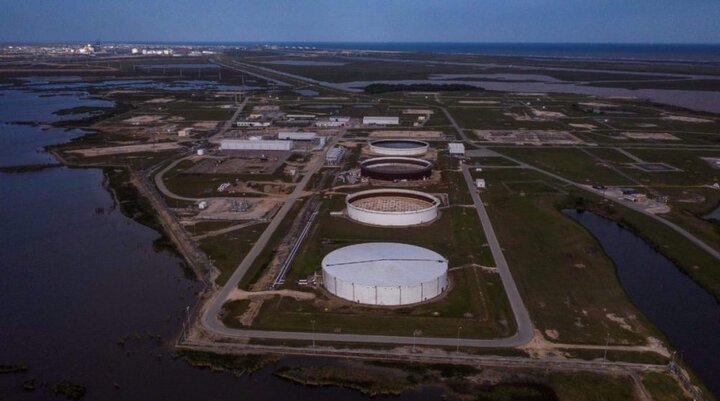


ALWAGHT- In an effort to calm global markets disrupted by the conflict with Iran and the blockage of Strait of Hormuz shipping, the US is distributing 53.3 million barrels of crude from its Strategic Petroleum Reserve to energy firms.
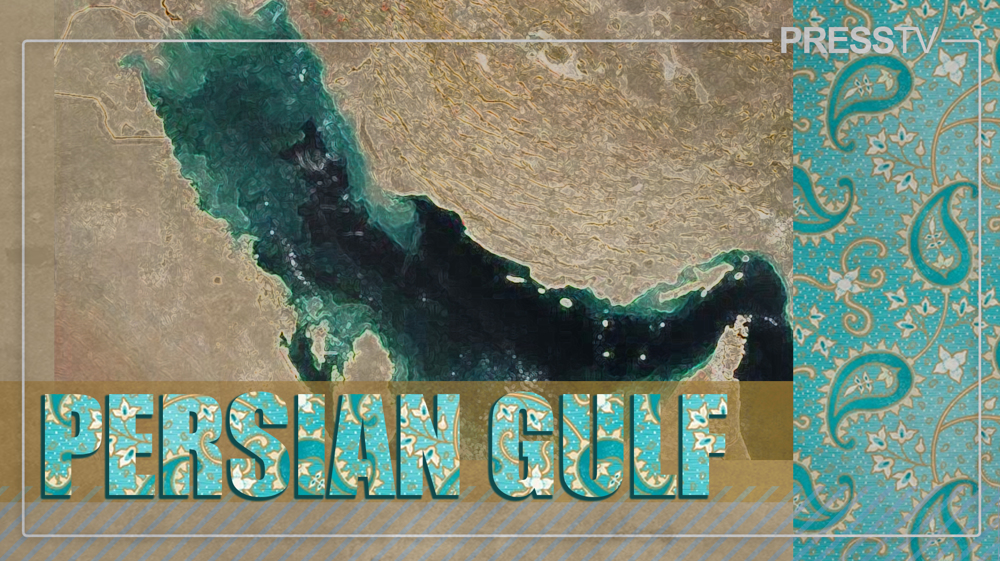
The United States is releasing 53.3 million barrels of crude oil from its Strategic Petroleum Reserve to major energy firms as part of a broader 172 million barrel injection plan. This emergency move comes in response to growing fears over fuel supply tightening and continued instability in the Persian Gulf, following Iran's effective closure of the strategic Strait of Hormuz since early March. The strait, through which roughly one-fifth of the world's oil and gas shipments pass, remains shut after Iran warned it would target vessels belonging to aggressors or their allies in retaliation for the US-Israeli war that began on February 28.
The shutdown has caused severe global energy disruptions and sharp price volatility, with Brent crude surging above $105 a barrel at one point. Investment bank JP Morgan predicts oil will likely remain in the low $100s for most of the year, averaging $97 for 2026, and warns that even reopening Hormuz would not quickly restore normal supply conditions due to constraints on tanker availability, refinery ramp-ups, and logistics. Saudi Aramco's chief Amin Nasser has warned the market shock could continue into 2027, citing an "unprecedented supply loss" of around one billion barrels, while OPEC production has reportedly fallen by 830,000 barrels per day in April.
Major energy companies including Aramco, BP, and Shell are already benefiting from the price surge. Meanwhile, US warships attempting to approach Iranian waters in recent weeks to break Iran's control over the strait have been repelled by direct Iranian fire. This has nullified Washington's promises to restore normal shipping in the Persian Gulf, further tarnishing the US image as a global superpower, as Iran continues enforcing stricter controls following Trump's announcement of a blockade targeting Iranian vessels and ports.