















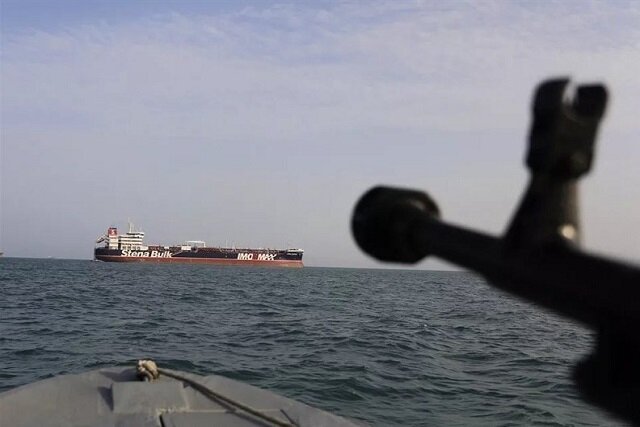


ALWAGHT- Lawmakers in Iran are reviewing an 11-clause strategic bill—titled the “Strategic Action for Ensuring Security and Sustainable Development of the Strait of Hormuz and the Persian Gulf”—which seeks to place the world's most critical oil and energy chokepoint under Tehran's full control.
Under a new strategic bill reviewed by Iran's parliament, vessels from countries that participated in the recent war against Iran would face restricted passage through the Strait of Hormuz. According to Mohammad Reza Rezaei-Kouchi, chairman of the Parliament’s Construction Committee, such vessels would only be allowed to transit after paying compensation for damages. All other vessels would need official permits and must pay fees for guidance, supervision, and security services—exclusively in Iranian rials.
The Iranian Parliament Research Center has proposed creating a "semi-independent public organization" to manage the strait, operating between government ministries and the private sector. Babak Negahdari, head of the center, explained that the body would ensure safety and security, manage risks, and coordinate among the various military, economic, and environmental institutions already active in the region. Its services would include maritime piloting, rescue operations, environmental protection, and port infrastructure, while also preventing overlapping responsibilities.
The proposed organization would establish a transparent financial reporting system, monitor maritime activities, and ensure regulatory compliance. Further studies on its legal framework and authorities are ongoing. The plan has been reviewed by the parliament’s National Security and Foreign Policy Commission, but final approval requires a vote in an open session of the Majlis. It remains unclear whether lawmakers will endorse a formal independent body or pursue an alternative mechanism.










