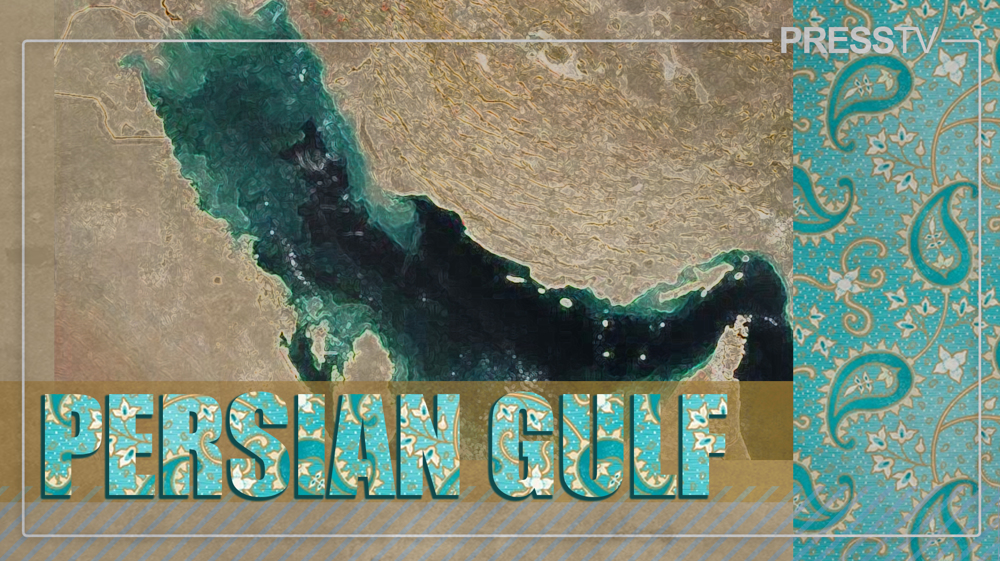




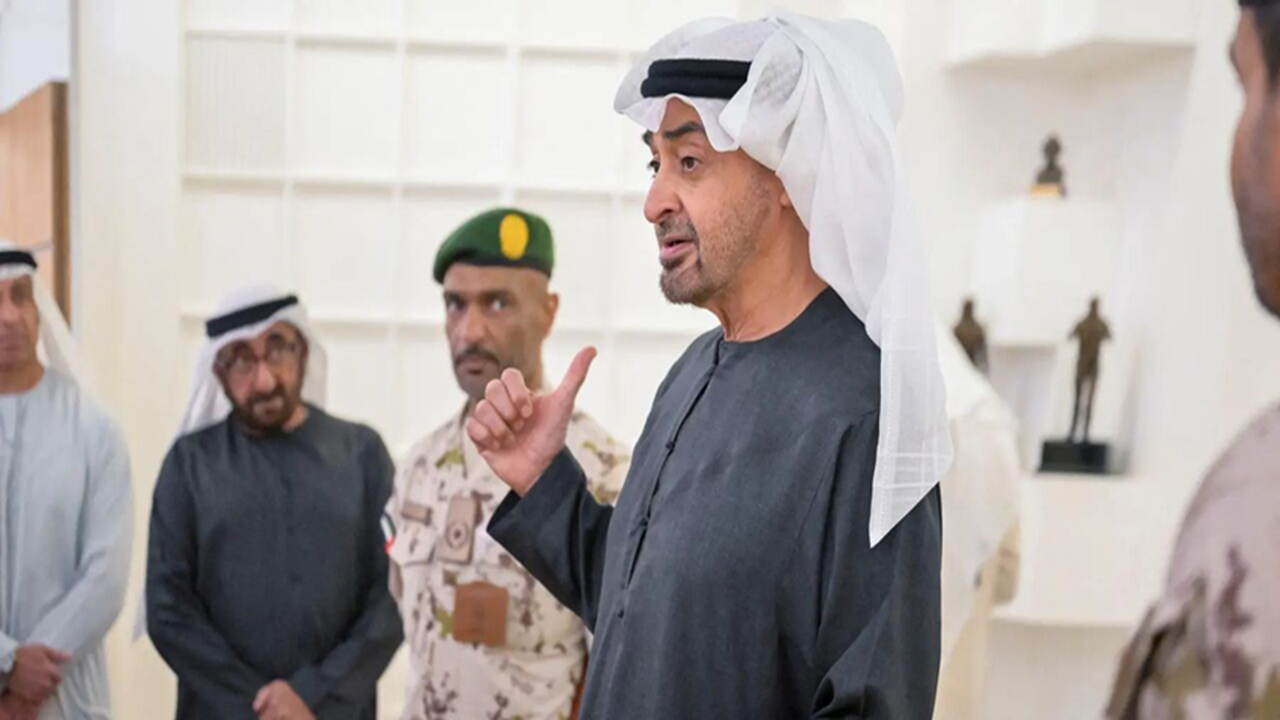


Alwaght- The recent war in the Persian Gulf has seriously transformed many of the political and security equations of the past. One of noticeable changes is the UAE being dragged to the US-Iran conflict. That is the reason why except for the UAE no country of the (Persian) Gulf Cooperation Council was hit by attacks after the two-week ceasefire took effect. Actually, it was Abu Dhabi that bore the cost of Trump's lofty ambition for reopening the Strait of Hormuz using force under "Project Freedom."
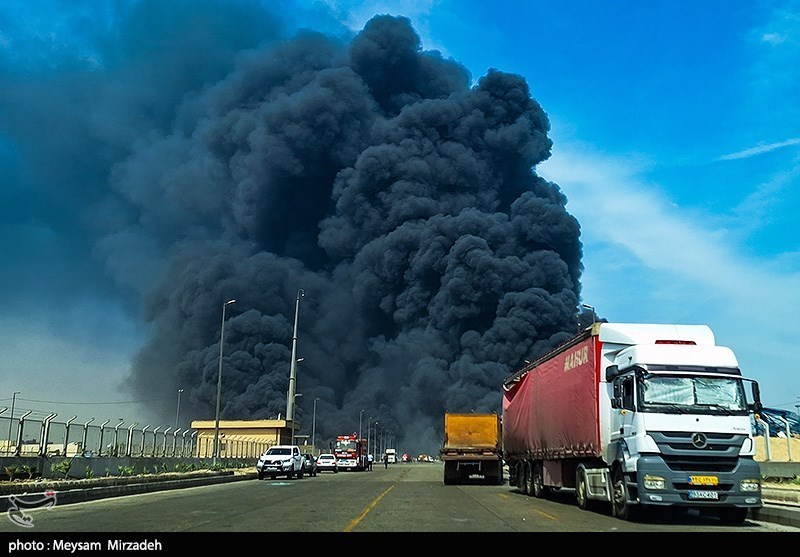
According to the defense ministry, on Monday and Tuesday the country engaged a wave of missile and drone attacks. Explosion even rocked Fujairah port, the only Emirati oil port located on the eastern mouth of the Strait of Hormuz that the Emiratis have aspired for a long time to make it a platform to cut dependence on the strait. The aspiration was killed soon following Trump's careless project and an IRGC’s statement that expanded the area of Iranian control in the region to the Emirati coasts.
But what stood out most in all of this was the uproar the US administration, the Israeli regime, and their media have stirred up in support of the UAE. This is a level of backing not seen for other Persian Gulf states. The Israelis, for instance, have announced they will send an Iron Dome defense system to the UAE, something they have never sold to any other country. Meanwhile, the US, in addition to setting up a secure financial network for wartime, has backed Abu Dhabi’s anti-Saudi move to leave OPEC and OPEC+. It was only after that, too, that Trump floated the idea of a Project Freedom operation to ensure navigation in the Strait of Hormuz out of Iranian control.
So the question is: Why do the US and the Israeli regime see themselves as more obligated to defend the UAE than other Arab nations? In this regard, three key reasons stand out.
1. Deep bond of personal interests and national power: economic empires
The first and most noticeable reason of this security dependence is that the interests of governments meet the tremendous interests of big economic empires inside the US. The security of the UAE is no longer just a matter of concern of the State Department, but its security is tied to the investment basket of the political and economic elites of the US.
The heavy presence of American investors, particularly families with close ties to the US political establishment, such as the Trump's, in the UAE’s strategic sectors has turned the country into a safe financial haven for wealthy Americans. Massive investments in oil, real estate, hotels, and luxury resort developments in Dubai mean that any threat to the UAE’s stability directly threatens the financial security of US’s elite.
Trump owes all his power and political success to the business and media empire that turned him into a globally known multi-billionaire. That wealth did not just serve as a launchpad into politics, it became part of his ideology and political persona. Over the years, he has consistently leaned on his claimed economic achievements and dealmaking “genius” to portray himself as more capable than past presidents, current rivals, and critics at defending American interests abroad and preserving US power during this transitional moment in global order.
Eric Trump’s 80-story tower is more than an iconic architectural project, it is a new showcase for the Trump brand in one of the world’s most competitive luxury real estate markets. Earlier, the Trump Organization’s partnership with DAMAC, developing the Trump International Golf Club, Dubai, within the Damac Hills complex, had already cemented the brand’s position in the UAE’s luxury property and tourism market. The 18-hole golf course designed by Tiger Woods is part of a broader effort to link the Trump name with top sports icons and an aristocratic lifestyle in the region.
The UAE has also become the regional headquarters for major tech companies, global banks, and data centers for American financial giants like Google and Microsoft. These firms operate not just in the UAE but across the region. So, any collapse or instability in the UAE would gut critical infrastructure and financial safe havens for American companies. In effect, Washington defends the UAE not as a sovereign nation, but as an operational and financial beachhead for its economic influence in the region.
2. UAE, the guarantee for survival of "new Middle East order"
In recent years, we have seen a meaningful shift in security priorities of Washington and Tel Aviv, upgrading the UAE a "strategic pillar" from atrade partner. Emirates geopolitical nature is marked by redefinition of the security map of the region by the US and the Israeli regime. The UAR has become the executive arm and operational model of the big political projects of these two actors.
For years, two competing visions for the future of security architecture and power dynamics in West Asia have been locked in a fierce struggle across the region. The first is the vision pursued by the Iran-led Axis of Resistance. The second is the US-Israeli vision of a desired order, known as the "New Middle East."
The rivalry between these two visions entered a decisive new phase after the epic Operation Al-Aqsa Storm by Hamas on October 7, 2023. That event shook the foundations of the Israeli regime's stability, triggering its brutal, all-out scramble to strike multiple countries in the region in a desperate bid to avoid collapse.
Interestingly, these opposing forces have now converged on the UAE as a critical fault line. For the US and the Israeli regime, the survival of their costly normalization project hinges on demonstrating a firm resolve to defend the UAE in wartime. They also need to address serious concerns among other Arab states, particularly Saudi Arabia, about whether Washington and its allies can truly protect them from the risks inherent to normalization. That is precisely why the Israeli regime has announced it is sending an Iron Dome missile defense system to the UAE, to reassure and win over other hesitant Arab capitals.
3. The UAE at the center of the Western-dominated world financial order
The third and perhaps the most fundamental reason for American protection offered to the UAE is Emirates position in the global power structure and its role in establishing international financial order.
Accepting the Western-crafted and dominated banking and financial standards, the UAE has become one of the main bottlenecks of the capital transfer and wealth management in the region. The country is actually a gate through which global capital makes its way to the region and also it makes an instrument for integration of Arab economies in the dollar and Zionist-dominated international financial systems.
The stability of the UAE is indicative of the strength and viability of a Western-centric world order. If the UAE cannot survive these threats under Western protection, the message to the rest of the world is clear: the US- and Israeli-dominated order is collapsing. In other words, protecting the Emirates is about protecting the “credibility” and “longevity” of the West’s power structure against challenges from the Axis of Resistance, a revisionist bloc pushing for a new multipolar order.
Ultimately, it can be said that for Washington and the Tel Aviv, the UAE is not just an ally. It is the cornerstone of a regional and global order. If that cornerstone slips, the entire edifice of Washington and Tel Aviv’s power in the region will be shaken by a fundamental earthquake.