







ALWAGHT- The US announcement of 'Project Freedom' to provide escorts in the Strait of Hormuz failed to ensure safety and instead triggered a cascade of confrontations, blasts, and fires throughout the Persian Gulf. Widespread doubts over Washington's version of events, along with a dramatic rise in oil prices, reflect escalating risk perceptions and the plan's premature failure—indicating that Donald Trump's latest initiative was effectively dead on arrival.
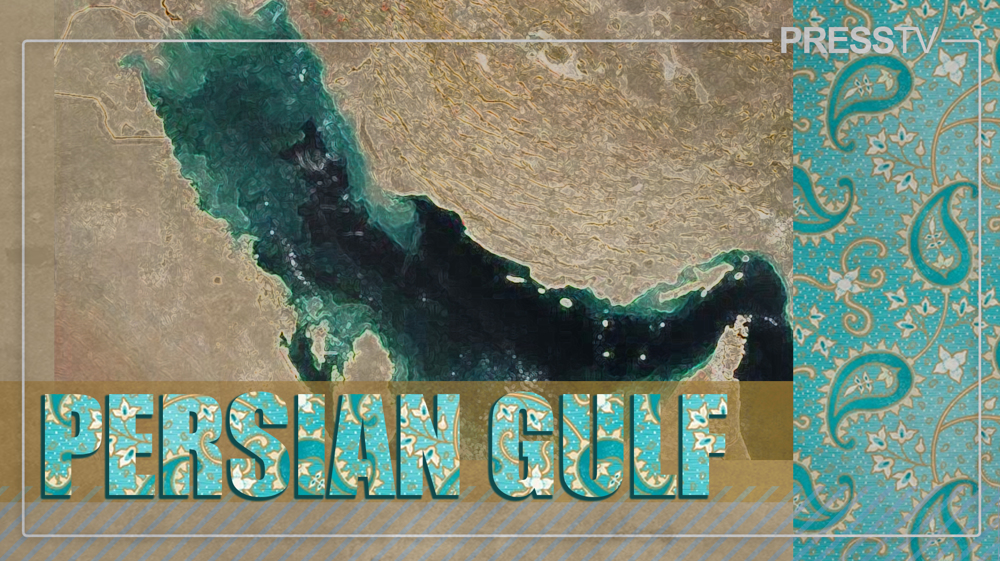
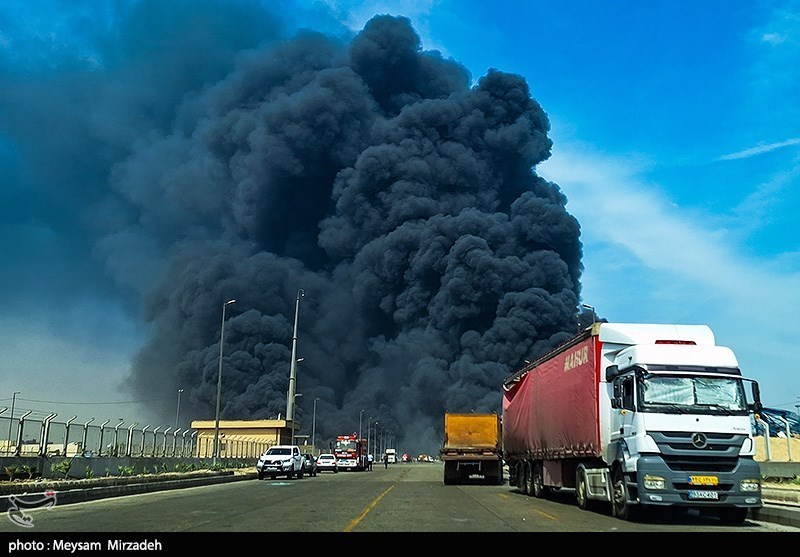
Developments in the Persian Gulf have shown that unilateral attempts to "secure" the Strait of Hormuz can actually make the vital waterway more dangerous. Following the US announcement of "Project Freedom" and the deployment of naval escorts, calm did not return; instead, intense clashes, explosions on commercial vessels, and damage to oil facilities in Fujairah significantly escalated tensions. Washington's claim that a Maersk vessel successfully transited under escort has faced serious skepticism, as no independent or maritime data supports the narrative, leading to reduced willingness among vessels to transit the strait even under military escort.
The strategic importance of Fujairah—the only major UAE port that connects directly to open waters without passing through the Strait of Hormuz—has become more pronounced. Handling between 1.5 and 2 million barrels of oil daily, the port serves as a critical alternative route for energy exports. However, the explosion at Fujairah facilities served as a stark warning that even alternative routes are not immune from risk. If conflict expands further, both the Strait of Hormuz and alternative corridors like Fujairah could face disruption, placing additional pressure on global energy supply and intensifying inflation across multiple economies.
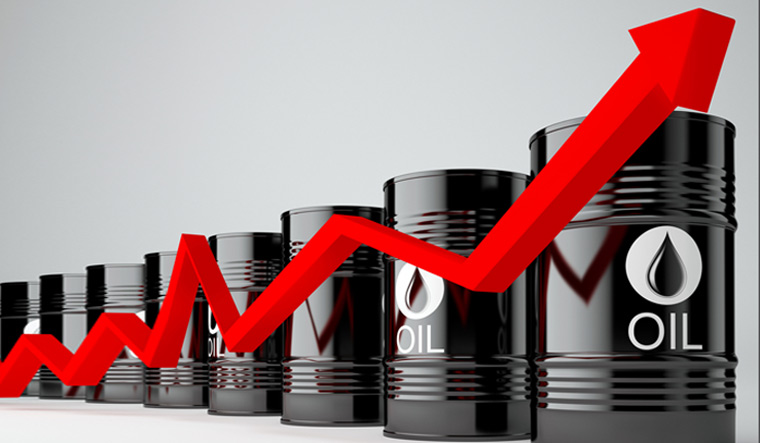
What unfolded in the Persian Gulf demonstrates that Trump's reliance on military options will not resolve America's complex position in the region, but instead offers choices between worse and even worse outcomes. The swift reaction of oil markets and the notable rise in prices over the past 24 hours are clear indicators of heightened risk. Security in this region cannot be achieved through symbolic or unilateral actions, but only through sustainable arrangements and recognition of influential regional actors. Increasing reliance on military tools to escape the current crisis does not secure stability—it becomes a factor of instability itself.