












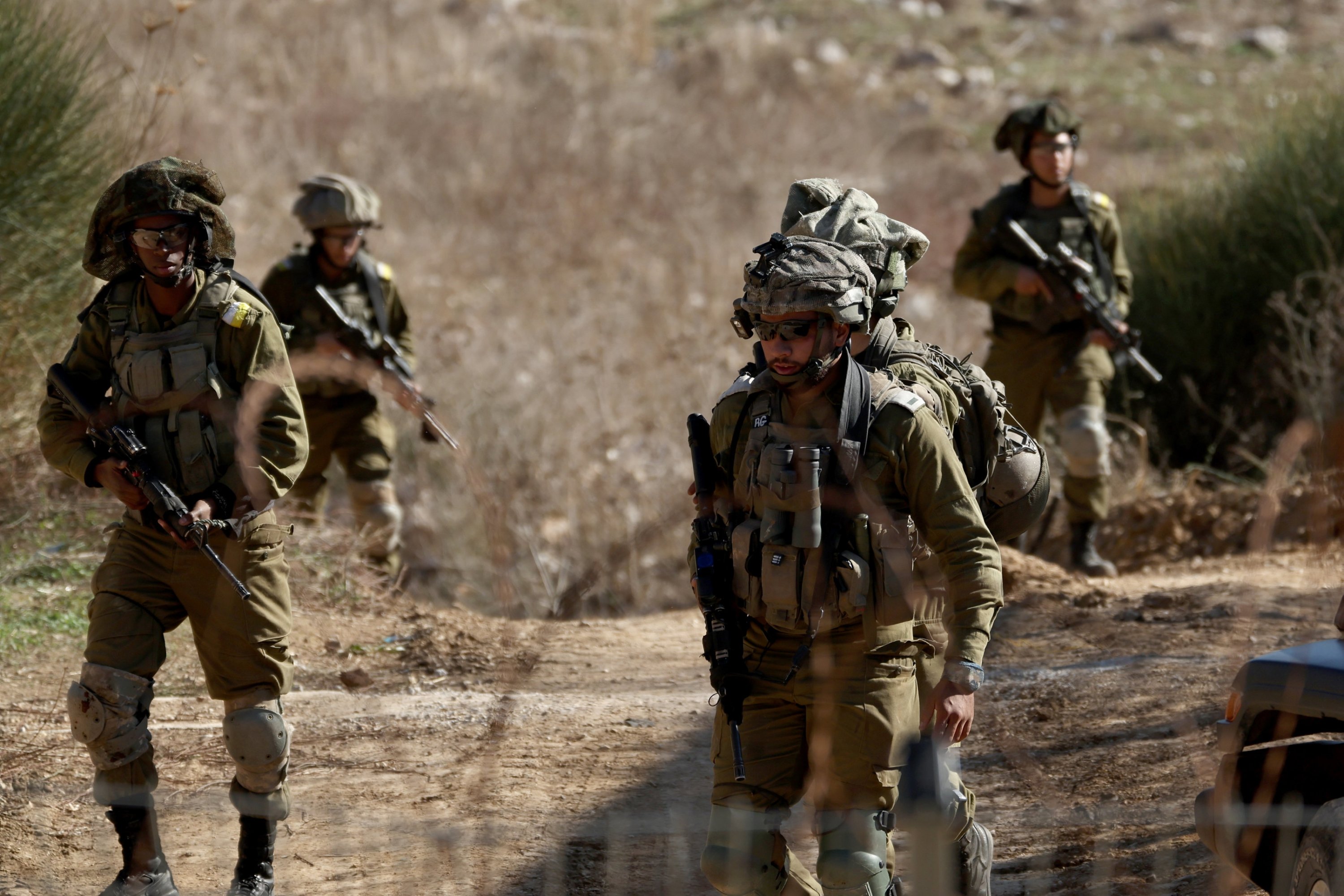


ALWAGHT- The Israeli military is worn down and stretched thin, unable to maintain multi-front operations in the absence of American support.
A deep gap exists between Israel's political rhetoric and its military reality on the ground. The Israeli Occupation Forces (IOF) are dangerously weak at their core, facing severe shortages of manpower and ammunition while becoming fully dependent on American support. This prevents the regime from achieving decisive victories on multiple fronts simultaneously. Field data from recent operations—specifically the June 2025 war and the conflict beginning February 28—reveal critical limits in personnel, specialized munitions, and the IOF's ability to distribute intelligence attention across different arenas. The regime is now limiting resources, following engagement rules never part of its original plans.
The IOF has entered an unprecedented period of human attrition, with reserve forces effectively becoming a regular army. Entire brigades have served their seventh tour of duty since October 2023, and individual soldiers have logged more service days than ordinary soldiers would in decades. This pressure has worn down morale, fueled by internal disputes over conscription and the high cost of reservist wages. The shortage of qualified combat personnel now limits the General Staff's ability to move forces between fronts, forcing the IOF to pull units from secondary battlefields to support primary ones. The air force, once considered unbeatable, now faces impossible choices between flight hours and aircraft lifespan, having flown more maneuvers in a single month than in an entire year of normal warfare.
The regime's ammunition depletion is staggering: according to Hebrew reports, Israel entered the war with 15,000 munitions but has used 150,000, turning American resupply flights from a backup into a necessity for survival. Arrow-2 and Arrow-3 interceptor consumption reached about 81 percent, meaning stocks would have run out within days had the battle continued at the same pace. The IOF now strips usable parts from decommissioned vehicles to keep newer ones running, extends the life of worn equipment by ten years, and recycles old explosives. Hezbollah, by maintaining an active second front, succeeded in draining resources meant for Iran, turning the war from a fight for military victory into a test of logistical endurance. The timeline for when ammunition runs out has become the real limit, forcing Israel to seek diplomatic exits within 40 days before facing empty warehouses and a depleted military.