














ALWAGHT- The use of asymmetric naval warfare in the Iran-US conflict must be understood as a "rational strategic choice under unequal conditions." Rather than attempting to compete with superior American power, this strategy seeks to "change the playing field" by transforming weaknesses into assets, exploiting geographic advantages, and integrating military, economic, and perceptual dimensions—thereby forcing its own desired terms onto the conflict.
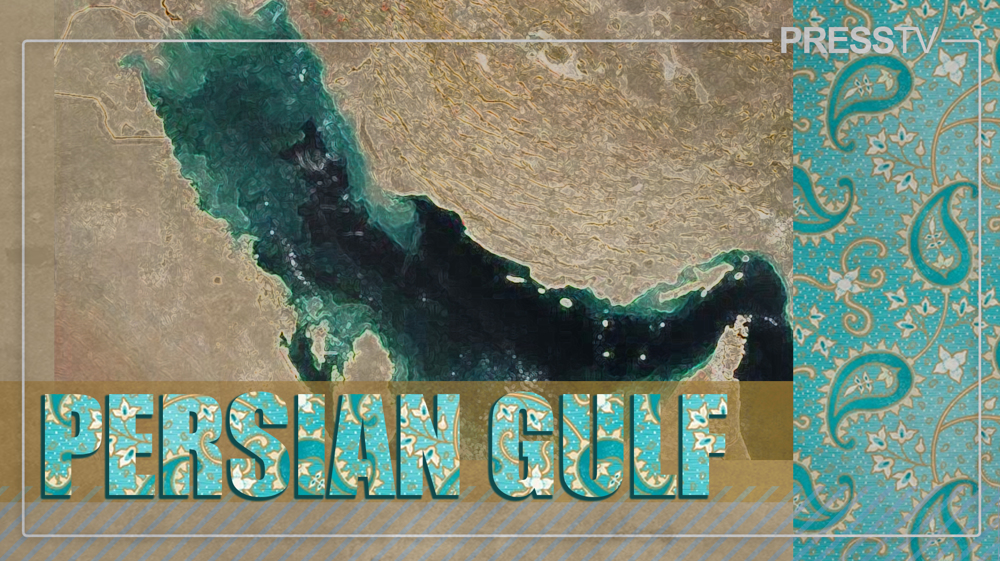
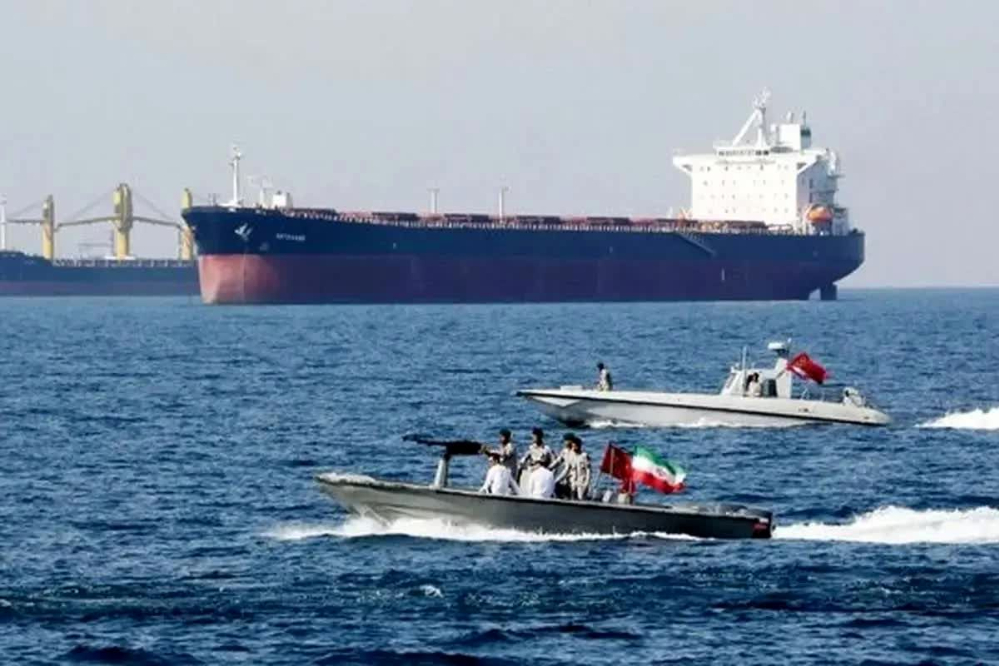
Analyzing the naval confrontation between Iran and America through classical warfare patterns—massive fleets, aerial support, and direct engagements—would be a conceptual error, as the true nature of this conflict is based not on "power symmetry" but on "changing the rules of the game" through asymmetric naval warfare. Iran's goal is not to directly compete with America's technological superiority but to neutralize it by imposing costs, complicating the environment, and drawing the battle onto its own preferred terrain. The foundation of this strategy is geography: the Strait of Hormuz is a "geo-economic node" through which a significant portion of the world's energy flows, giving Iran the "advantage of proximity"—closeness to coastlines, superior intelligence, the ability to deploy layered forces, and rapid access to supply lines.
Iran's asymmetric strategy rests on several key components: first, replacing the logic of mass with "swarm attacks" using light, fast, low-cost vessels that overwhelm advanced defense systems through sheer numbers. Second, integrating sea and coast as a continuous battlefield through an "anti-access/area denial" fire umbrella that denies the enemy freedom of maneuver. Third, using naval mines as an invisible, low-cost deterrent—where the mere possibility of their presence imposes clearance operations and slowed movement. Fourth, exploiting ambiguity, uncertainty, and fluidity as weapons to make prediction difficult, forcing the opposing command into excessive caution. Fifth, linking the military arena with the global economy, where increased risk in the strait quickly impacts energy prices, insurance costs, and financial markets. Sixth, layering the battle across sea, cyber, and narrative domains—where naval operations are accompanied by cyber actions against maritime infrastructure, information warfare, and media narrative management. Seventh, treating time as a strategic variable, where gradual attrition and the prolongation of insecurity place political and economic pressure on the opposing side.
The adoption of asymmetric naval warfare must be understood as a "rational strategic choice under unequal conditions" that seeks to "change the playing field" rather than match superior power. Within this framework, victory is defined not by the complete destruction of the enemy, but by "imposing costs, limiting options, and establishing effective deterrence"—a definition tied less to hard power and more to strategic intelligence.