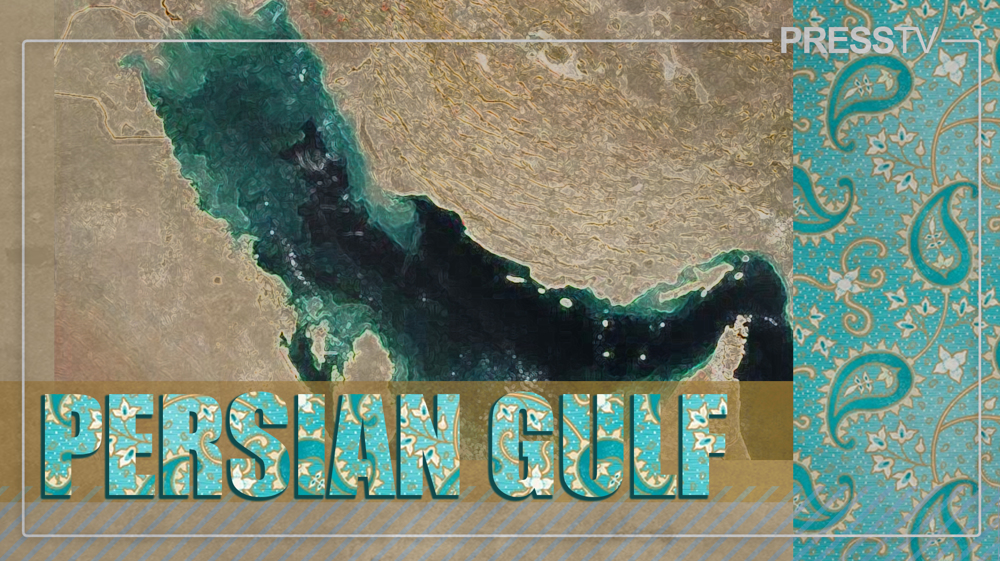





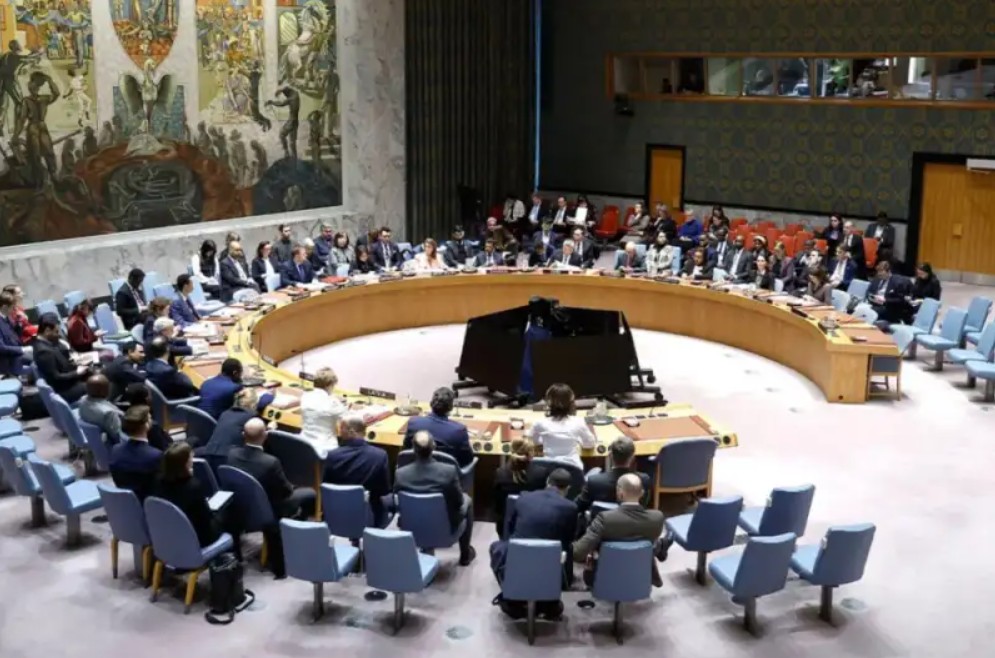


ALWAGHT- The UN Security Council session on the Strait of Hormuz laid bare the UN's double standards and Western hypocrisy, as the US's inability to challenge Iran's authority became increasingly apparent.
The UN Security Council session on the Strait of Hormuz exposed what critics describe as the institution's double standards and erosion of credibility. While UN Secretary-General António Guterres expressed concern over 20,000 sailors stranded at sea, the UN has remained indifferent to the Gaza genocide, which has claimed 73,000 lives—including 20,000 children. The organization has also limited its response to US-Israeli hostilities against Iran, including the Minab school tragedy and the assassination of a revolutionary leader, while remaining silent on alleged US maritime piracy against Iranian vessels. Critics argue that the UN's selective concerns, raised primarily in line with Western interests, highlight the need for structural reform toward a genuinely multilateral international order.
A key development during the session was the repeated acknowledgment of the United States' inability to counter Iran's resilience. The US representative called on the international community to help reopen the Strait of Hormuz, despite earlier claims that victory would be achieved within days. Washington's request for assistance revealed the emptiness of prior claims regarding naval blockades or destroying Iran's oil supply lines. The session concluded without consensus, instead producing waves of protest, condemnations of aggression, and statements supporting Iran's sovereignty over the Strait of Hormuz.
European countries also faced embarrassment during the session, according to critics. While demanding the reopening of the Strait of Hormuz in the name of international law and freedom of navigation, these same nations have imposed extensive sanctions on Iran—actions a UN Special Rapporteur has described as possible crimes against humanity. European officials have refused to lift sanctions or condemn incidents such as the Minab school attack and alleged US maritime piracy; omissions viewed as clear evidence of hypocrisy and self-interest.
Other nations pushed back against Western double standards at the session. Russia's representative argued that a coastal state under wartime conditions has the right to restrict navigation within its waters for self-defense, likening Western actions to maritime banditry. China's representative criticized Western blame-shifting, identifying the United States and Israel as the principal drivers of escalating tensions and calling for an immediate end to the crisis.