
















ALWAGHT- Iran's ambassador and permanent representative to the United Nations stated that the United States and its allies bear direct responsibility for any disruption to maritime transport in the Persian Gulf, the Gulf of Oman, and the Strait of Hormuz.
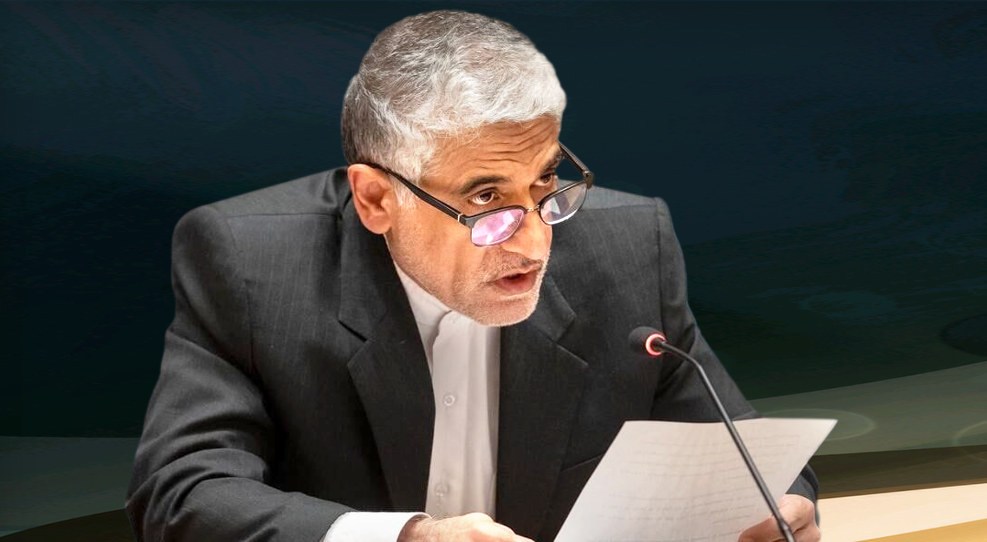
Iran's UN ambassador, Amir Saeed Iravani, addressed a Security Council session on waterway safety, held amid a US naval blockade on Iran. While Tehran maintains navigation restrictions in the Strait of Hormuz for security reasons, Iravani stressed that Iran has long upheld freedom of navigation in the Persian Gulf, Gulf of Oman, and the Strait of Hormuz, responsibly ensuring maritime safety.
Iravani condemned the US and Israeli regime for waging a large-scale war of aggression against Iran since February 28, violating international law and the UN Charter. He noted that the Strait of Hormuz has been increasingly used to support military attacks against Iran, exposing international shipping to unprecedented risks. He also accused the US of imposing an illegal maritime blockade, seizing Iranian vessels, and detaining crews—acts he described as piracy and aggression.
As the principal coastal state of the Strait of Hormuz, Iran has taken necessary measures under international law to address threats, ensure safe navigation, and prevent misuse of the waterway for hostile purposes. Iravani noted that Iran is not a party to the 1982 UN Convention on the Law of the Sea and is only bound by its customary rules. He stressed that lasting regional stability requires a permanent cessation of aggression against Iran and respect for its sovereign rights.
Iravani rejected allegations made by other delegations, accusing them of double standards and ignoring US unlawful actions, including terrorist attacks on Iranian commercial vessels. He made clear that any disruption to maritime transport in the Persian Gulf, Gulf of Oman, or Strait of Hormuz lies directly with the United States and its allies. Any contrary claims, he concluded, are unfounded and lack credibility.










