






Alwaght- When a society grapples with exceptional conditions like war, public opinions present themselves as one of the main factors in analyzing its political behavior and its strategic orientations. In Iran, coinciding with the experience of 40-day war and the massive public turnout in support of Islamic Republic, the country displayed a kind of unity and collective standing in the face of foreign threats, an approach that has reflected in some polls in another way.
In this connection, recently the Islamic Republic of Iran Broadcasting (IRIB) polling center has presented a considerable picture of the popular vision to the negotiation with the US in war conditions. According to the head of state TV’s polling center, a wartime survey found that polling percent of Iranians were strongly opposed to negotiating with the US during the aggression. In contrast, polling percent voiced little to very little support for talks, while polling percent were strongly in favor.
The data shows that although public opinion is far from unanimous, the overall balance tilts toward rejecting negotiations under wartime conditions.
Bitter experience of the US treachery
For a precise analysis of the results, we should first look at the historical and experimental grounds shaping such a vision. One of the factors driving negative Iranian sentiments to the US is the experience of earlier diplomatic engagement with Washington.
Embedded in Iran’s collective memory, events like the US withdrawal from the nuclear deal (JCPOA) and its failure to uphold international commitments have become lasting markers of distrust and pessimism. So the strong public opposition to wartime negotiations is not just an emotional stance, it is rooted in past assessments.
Iranians remember that even during the nuclear talks, the Washington and Tel Aviv took a hostile line. Twice they launched military strikes on Iranian soil and assassinated commanders, senior officials, and scientists, proving themselves untrustworthy. These experiences have led the vast majority of Iranians to conclude that negotiations do not necessarily reduce tensions or serve national interests, and may even be used as a tool for mounting further pressure.
People even opposed to ceasefire
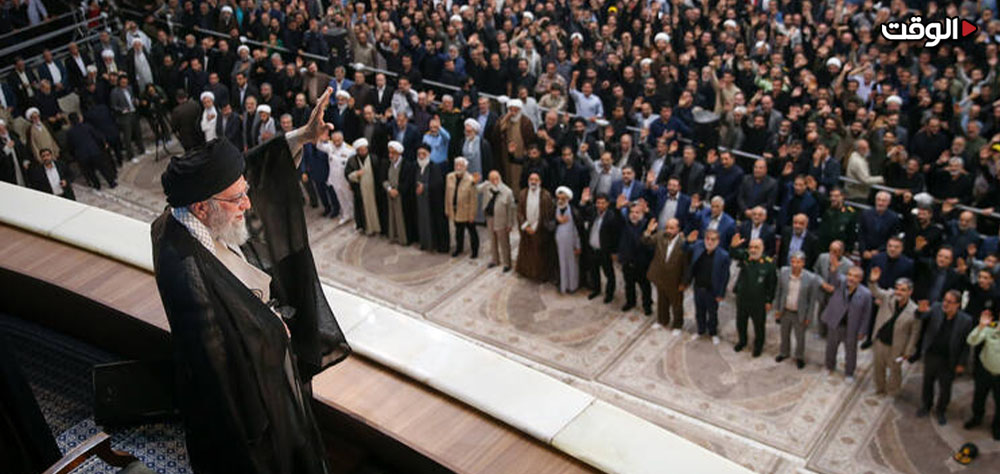
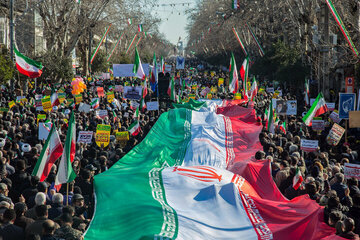
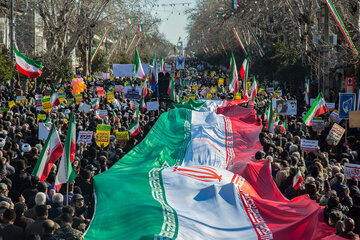
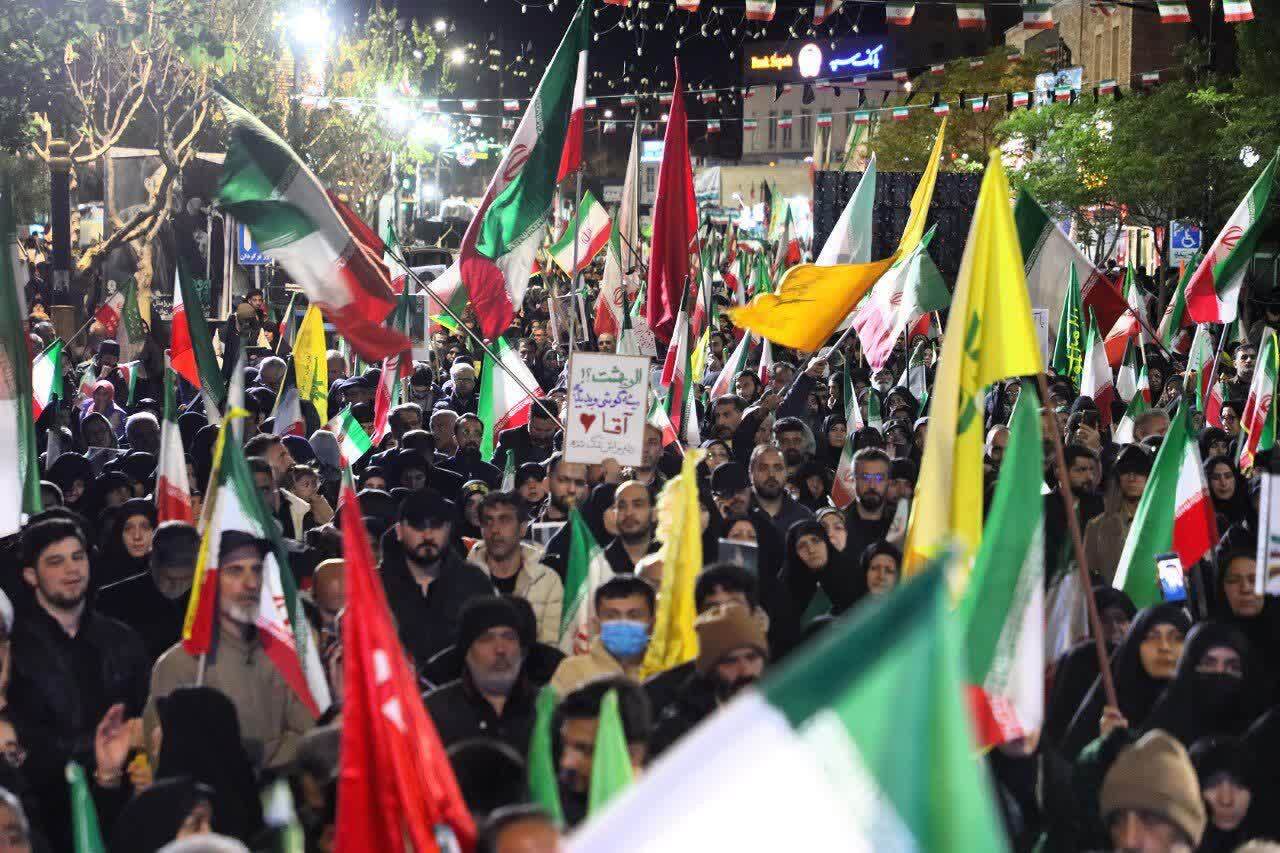
The results of this IRIB survey reflect themselves crystal clear in the popular conducts and remarks in the streets since day one of war. During the days of war and after, the massive public turnout indicated the high-level sensitivity to national matters. When the two-week truce was announced, people took the news with distrust to the US. Millions of people who have been in the streets voicing support to the Islamic Republic as the only true anti-imperialist political system in the world opposed the truce, arguing that it offered the enemy a breathing and re-organizing room.
Their argument is that halting hostilities without real guarantees does not just fail to reduce the threat, it could set the stage for even greater risks down the line. So opposition to a ceasefire and negotiations can be understood as a strategic stance rooted in deep distrust and past experience.
Rejecting talks during wartime does not necessarily mean rejecting diplomacy altogether. Rather, it points to “conditional diplomacy”, a belief among many respondents that negotiations only make sense when there is a relative balance of power, not when the other side is using military leverage or maximum pressure to extract concessions.
That is precisely what Donald Trump keeps repeating these days: that the Islamic Republic must accept Washington’s terms unconditionally and surrender, or else face severe consequences for Iranians. In this context, public opinion sees little sense in negotiating with an administration demanding Iran’s submission. Worse, it might only embolden pressure tactics and prolong hostile actions in the future.
Popular inclination to resistance option
The key point in this survey is the relative dominance of the vision of those against the negotiations with the Americans and this dominance should not be analyzed within the framework of the exceptional war conditions. During war, nationalist sentiments, social cohesion, and tendency to resistance to foreign threats surge. In such atmosphere, negotiations can be translated as weakness or retreat.
So opposition to negotiations right now is not just about history—it is also shaped by the psychological and social climate of war.
Convinced that the US acts in bad faith, people reject any talks that could lead to imposed demands. They think that past experience shows that Washington uses the negotiating table to push its own agenda, not to reach a fair and balanced deal.
People in practice have shown their defiant spirit by turning out in force and backing the armed forces. That support signals a firm resolve to defend the country, no inch of Iranian soil lost, and no concessions against national interests, even in any potential talks.
Finally, the results of this poll indicate that any policy-making in foreign relations, especially under critical conditions, requires precise understanding of the public opinion and any disregard to this core factor can lead to diminished legitimacy of the decisions and can crack the ranks of government and public. So, analysis of such data is pivotal not just for developing a knowledge of the social visions but for designing major national strategies.