












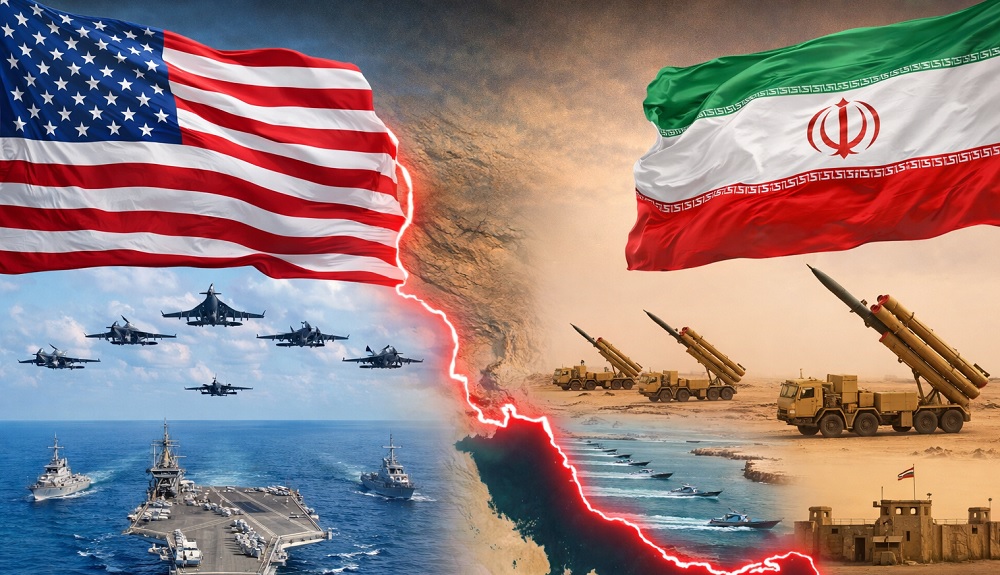


Alwaght- On the fifth day of the war on Iran by the American-Israeli coalition, along with the support of some other regional Arab allies, the scene of confrontation continues to unfold with intensity. The situation appears to be aligning with the predictions made regarding the trajectory of the 12-day conflict; imbalance between Iran's air defense capabilities, which suffered significant damage during the June 12-day war, and the air power of the US and the Israeli regime has resulted in a scenario where, despite witnessing remarkable successes in downing advanced drones and at least three enemy F-15 fighter jets, a relative dominance over the Iranian airspace has emerged.
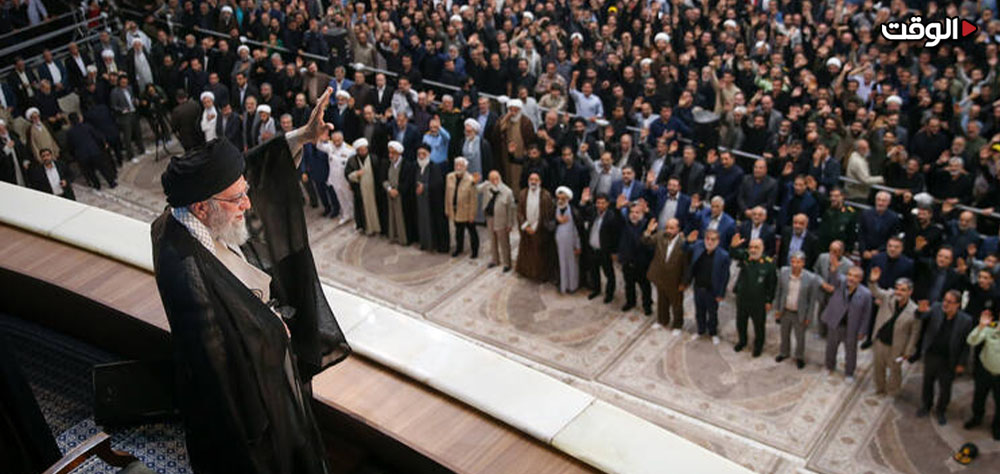
On the other hand, as the political and military leaders said, the Iranian military strategists hsve already prepared themselves for managing the war after Iran's political and military command are targeted. So, they gave the field commanders the sufficient powers to act on their own.
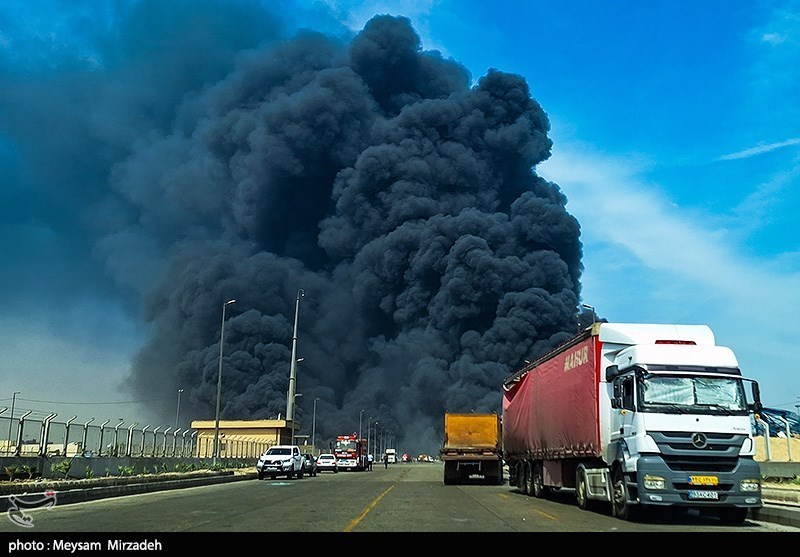
In such circumstances, it can be said that all of the enemy's military trump cards in the conflict were already clear to Iran, and defensive scenarios were planned accordingly. This has allowed Iran to maintain its offensive firepower despite repeated aerial attacks, with the wave of missile and drone strikes under Operation True Promise 4 reaching its seventeenth round. Meanwhile, as the war drags on, this strategy of attrition for Iran is gradually diminishing the enemy's defensive capacity to cope with the escalating waves of drone and missile attacks, resulting in an increase in the rate of hits and, consequently, damage and casualties.
Iran's resilience to the air attacks
Certainly, continuation of the enemy airstrikes has caused massive damage, but air dominance alone does not lead to the strategic goals of imposing a military defeat on the Iranian armed forces and bringing the Iranians to their knees, something Western military general since the beginning warned the delusional American leadership about.
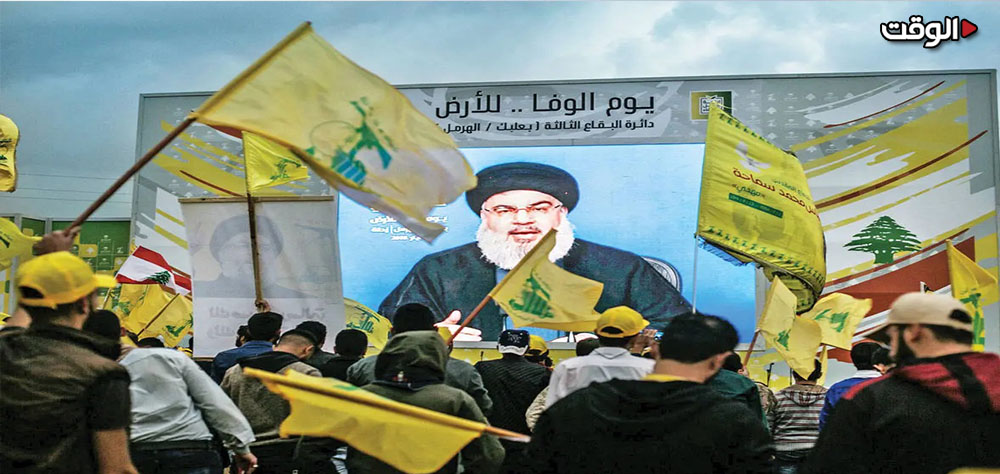
This reality was tested in the past years repeatedly during the wars in Gaza, Lebanon, and even the 12- day war on Iran just months ago. In Gaza, despite two years of unceasing attacks and bloodshed of the civilians, the Israeli regime failed to realize its core goal of Hamas surrender and disarming. In Lebanon, despite Hezbollah losing its leadership and command, the resistance movement after 66 days of war managed to force Tel Aviv into signing a truce.
Now, just five days after the onset of the American-Israeli aggression, the horizon of inability to achieve victory within the desired timeframe for the White House has led Trump, who is deeply fearful of deploying military forces in Iran—considering it a potential pitfall that would exacerbate the internal crisis in the United States—to seek ways to alter the battlefield dynamics. In this connection , the Wall Street Journal reported on Tuesday that Trump is ready to arm groups willing to act for the overthrow of the Iranian government. This statement implicitly acknowledges the despair over the prospect of toppling the regime through continued aerial assaults.