


Iraqi citizens from all walks of life have stepped up and picked up arms in the nation-wide fight against the ISIS terrorist group since the terrorist group seized the northern oil-rich city of Kirkuk last year.
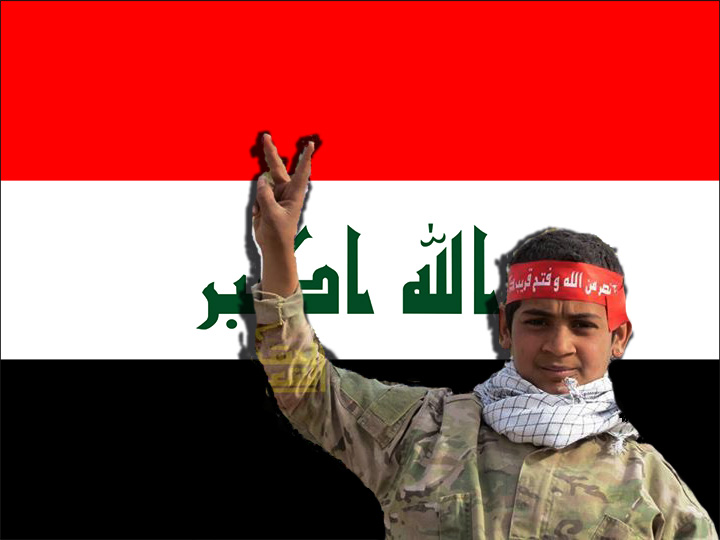
Driven by a sense of patriotism and the urge to defend their country from this terrorist aggression, tens of thousands of Iraqis have volunteered to join the Popular Mobilization Forces (PMF).
The PMF is also made of up resistance groups such as Hezbollah Brigades, Asa'ib Ahl al-Haq, and Badr Organization, in addition to tribal fighters. Despite attempts to label the forces under a sectarian title, the multiplicity of sects and ethnicities that the fighters hail from, upholds Baghdad's invitation that says everyone is welcome to join the battle against terrorism.
The Iraqi government formed these units in June 2014 under the umbrella of the state's security services and in line with the frameworks of the Ministry of Interior.
The Popular Mobilization Forces, also known as the People's Mobilization, was created to confront foreign interventions or domestic calamities such as the one currently trapping Iraq in an inextricable network of foreign-backed terrorist plots.
There is no doubt that Iraq's national army and security forces play a key role in the battles but that doesn't mean that the PMF are just there to warm the bench. Instead, these groups, according to experts, have made a fundamental difference on the battlefield. Most notably, PMF fighters possess a quality that the army does not have and that is the upper-hand in the guerilla warfare.
What is known as the Second Battle of Tikrit is an example that shows the strength the PMF has on the ground. The recapturing of the provincial capital of the Salahuddin province marked a turning point in the war against ISIS as the popular mobilization forces, along with security forces, were engaged in the largest offensive against ISIS since they occupied swathes of territory in northern Iraq in June 2014, declared the so-called 'caliphate', and launched attacks against security forces and innocent civilians alike. Tirkit was encircled attacked and liberated between March and April in 2015.
The PMF's military capacities have been invested constructively in the country. They even have the potential to establish security and prosperity in a post-war Iraq, if given the chance.
Scenes of jubilation following many victories that have been broadcast in the aftermath of fierce clashes show many fighters from the Popular Mobilization forces expressing their sense of nationalism in song and dance. Singing the national anthem or traditional rhythms while waving the Iraqi flag is how members of the country's volunteer units like to celebrate their accomplishments, which they selflessly dedicate to their country.
These images, however, are but a glimpse of what they are willing to do for the best interests of Iraq. Although tribes, parties, and organizations in Iraq are highly-regarded they have not interfered with the loyalty of these people to their country. When in need they rise above their different allegiances and unite for the sake of Iraq and the Popular Mobilization Forces is a model of that.
- Baghdad and US’s Trap for Iraq’s National Security
- ECO Trade Boost Tied to Moving Past Political Reservations, US Pressures: Expert
- Militarized Dams! Is Trump Preparing the Ground for A Dirty War of Infrastructures?
- Why’s Al Khalifa Furious with Shiite Scholars?
- Trump’s Iran Campaign Options: Costly War or Frutile Blockade
- Ansarullah’s West Coast Gains Bring them Closer to Aden Feat
- With no Checks in Sight, Israel’s Golanizing Syria’s Quneitra
- Is Lebanon an Erdogan’s New Neo-Ottomanism Station?
- From Defending Palestine to Fighting Yemen: Syria’s Five Cross-border War Experiences
- What American Bases Outside the Region Are Potential Iranian Targets?
Editor's Choice
Gen. Solemani, A Living Resistance Legacy General Solemani of Iran caused a transformation to the region that blocked the way of the Israeli and American projects in West Asia.
A Review of Newly Published US National Security Document The US national security document may be an unwanted admission that the US hegemony is diminishing.
US or Venezuela? Who’s the True Oil Thief? Trump says Venezuelan nationalization of its oil was theft of American oil companies’ assets, justifying oil blockade on South American nation.
Why Are Tel Aviv and Washington Stepping Up Pressures against Hezbollah? Israel knows that disarming Hezbollah makes occupation of Lebanon a piece of cake.
Is Yemen on the Verge of Split? The country is sinking in chaos as conflicting forces in the south are going separate ways and Yemenis are less involved in the fate of the south.
News
Iran Slams Europe for Double Standards Over US-Israeli Aggression
Iranian Foreign Ministry spokesman Esmaeil Baghaei has condemned Germany and other European countriesGhalibaf Warns Any Infringement on Iranian Territory Will Provoke an Unimaginable Response Iranian Parliament Speaker Mohammad Bagher Ghalibaf has warned that any attack on the country’s sovereignty would prompt a forceful retaliation
Yemeni Forces Strike Key Targets Deep Inside Saudi Arabia Yemen’s military has launched a new wave of strikes on Saudi targets
Iranian Greco-Roman Wrestlers Claim Four Medals on World Championships’ Opening Day Iran secured four medals, including one gold, two silver and one bronze, in the opening four weight categories of the World Wrestling Championships
Leader Calls for Stronger Anti-Corruption Measures and Compensation for US-Israeli War Damage Ayatollah Seyyed Mojtaba Hosseini Khamenei, Leader of the Islamic Revolution, has urged authorities to intensify the campaign against corruption
Yemeni Forces Target Riyadh Airport and Saudi Oil Facilities in Seven Operations Yemen’s armed forces announced that they launched seven attacks on Saudi territory
Iraqi Resistance Vows Support for Iran Against Any New US-Israeli Aggression The Islamic Resistance in Iraq has vowed to support Iran if the United States and the Zionist regime launch another attack on the country
Two Supertankers Sustain Damage After Hitting Sea Mines in Strait of Hormuz Two supertankers transporting over 4.5 million barrels of crude oil were put out of action after striking sea mines
Ayatollah Khamenei and Ghalibaf Review Latest Developments in US-Israeli War on Iran Ayatollah Seyyed Mojtaba Khamenei and Parliament Speaker Mohammad Bagher Ghalibaf held talks on the ongoing conflict
Source: Iran Ready for Full-Scale, Multi-Front War Against Adversaries A senior security official said Wednesday that Iran is fully prepared for a large-scale conflict spanning multiple fronts as regional tensions intensify
Iran: US Political Targets Could Be Legitimate if Assassinations Resume An Iranian security official stated that American political figures could become legitimate targets if targeted killings of officials resume
Iranian FM Warns US of Greater Strategic Defeat Without Honorable Agreement Washington faces a choice between reaching a fair and honorable agreement with Tehran and risking a more severe strategic setback
IRGC Deputy Says Iran Prepared to Repel Any Attack by Adversaries The Islamic Revolution Guards Corps (IRGC) deputy for political affairs said Iran’s military is ready to counter any hostile action
Iranian Security Chief Vows No Enriched Uranium Will Leave the Country Iran’s top security official has firmly rejected transferring enriched uranium abroad, declaring that all nuclear material will remain within the country
Iran Warns of Threat to Hormuz Undersea Cables in Event of Infrastructure Attacks IRGC official Yadollah Javani warns submarine cables in Strait of Hormuz could be endangered by attacks on Iranian infrastructure
Israel’s Latest Gaza Attacks Kill At least Four Palestinians Amid Genocide Allegations At least four Palestinians have been killed in Israeli strikes on Gaza, further raising doubts about Israel’s commitment to a year-old ceasefire
France Tightens Curbs and Threatens Large-Scale Police Deployment Ahead of Demonstrations French officials have prolonged nighttime movement restrictions in Paris and several other major urban centers
Iranian Military Chief Vows Armed Forces Will Defend Nation in All Circumstances Iran’s senior military chief has affirmed that the country’s armed forces are fully prepared to safeguard national sovereignty and confront any threat
IRGC Warns Further Attacks on Iran Could Spark Worldwide Energy Crisis The Islamic Revolution Guards Corps (IRGC) cautioned that renewed attacks on Iran would provoke a far stronger retaliation
Araghchi: Tehran-Moscow Ties Vital for Regional Peace and Stability Iranian Foreign Minister Abbas Araghchi stressed that closer ties between Tehran and Moscow could contribute to greater regional stability
Most Viewed
Baghdad and US’s Trap for Iraq’s National Security
ECO Trade Boost Tied to Moving Past Political Reservations, US Pressures: Expert
Ansarullah’s West Coast Gains Bring them Closer to Aden Feat
What American Bases Outside the Region Are Potential Iranian Targets?
Baghdad and US’s Trap for Iraq’s National Security
Trump’s Iran Campaign Options: Costly War or Frutile Blockade
Why’s Al Khalifa Furious with Shiite Scholars?
ECO Trade Boost Tied to Moving Past Political Reservations, US Pressures: Expert
From Defending Palestine to Fighting Yemen: Syria’s Five Cross-border War Experiences
Militarized Dams! Is Trump Preparing the Ground for A Dirty War of Infrastructures?
Is Lebanon an Erdogan’s New Neo-Ottomanism Station?
With no Checks in Sight, Israel’s Golanizing Syria’s Quneitra
Iran Warns of Threat to Hormuz Undersea Cables in Event of Infrastructure Attacks
Iran: US Political Targets Could Be Legitimate if Assassinations Resume
Iranian Security Chief Vows No Enriched Uranium Will Leave the Country
Iran’s Sovereignty over Hormuz: The Road to Transform Iranian Ports into a Regional Hub
Two Supertankers Sustain Damage After Hitting Sea Mines in Strait of Hormuz
Iran Slams Europe for Double Standards Over US-Israeli Aggression
Yemeni Forces Strike Key Targets Deep Inside Saudi Arabia
Oil and Security, Two Drivers of Iraqi PM’s Damascus Visit
Tehran Summit Changes Regional View of American Role: Expert
Border Closures with Iran a Serious Test of Baghdad’s Political Independence
Yemen Tragedy Again: Why’s Saudi Arabia Re-embraced Blind Bombing Formula?
Yemeni Forces Target Riyadh Airport and Saudi Oil Facilities in Seven Operations
Amid Burgeoning Crisis, Iraq’s Kurdistan is Haunted by Two-administration System
Israel’s Latest Gaza Attacks Kill At least Four Palestinians Amid Genocide Allegations
Macron and France Bearing the Fallout of Iran War and Consequent Energy Crisis
In Focus
Ansarullah
A Zaidi Shiite movement operating in Yemen. It seeks to establish a democratic government in Yemen.
Shiite
represents the second largest denomination of Islam. Shiites believe Ali (peace be upon him) to be prophet"s successor in the Caliphate.
Resistance
Axis of Resistances refers to countries and movements with common political goal, i.e., resisting against Zionist regime, America and other western powers. Iran, Syria, Hezbollah in Lebanon, and Hamas in Palestine are considered as the Axis of Resistance.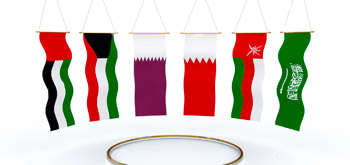
Persian Gulf Cooperation Council
A regional political u n i o n consisting of Arab states of the Persian Gulf, except for Iraq.
Taliban
Taliban is a Sunni fundamentalist movement in Afghanistan. It was founded by Mohammed Omar in 1994.
Wahhabism & Extremism
Wahhabism is an extremist pseudo-Sunni movement, which labels non-Wahhabi Muslims as apostates thus paving the way for their bloodshed.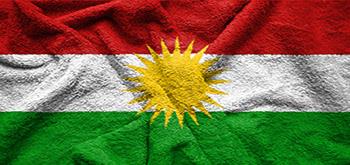
Kurds
Kurds are an ethnic group in the Middle East, mostly inhabiting a region, which spans adjacent parts of Iran, Iraq, Syria, and Turkey. They are an Iranian people and speak the Kurdish languages, which form a subgroup of the Northwestern Iranian branch of Iranian languages.
NATO
The North Atlantic Treaty Organization is an intergovernmental military alliance based on the North Atlantic Treaty which was signed on 4 April 1949.
Islamic Awakening
Refers to a revival of the Islam throughout the world, that began in 1979 by Iranian Revolution that established an Islamic republic.
Al-Qaeda
A militant Sunni organization founded by Osama bin Laden at some point between 1988 and 1989
New node