



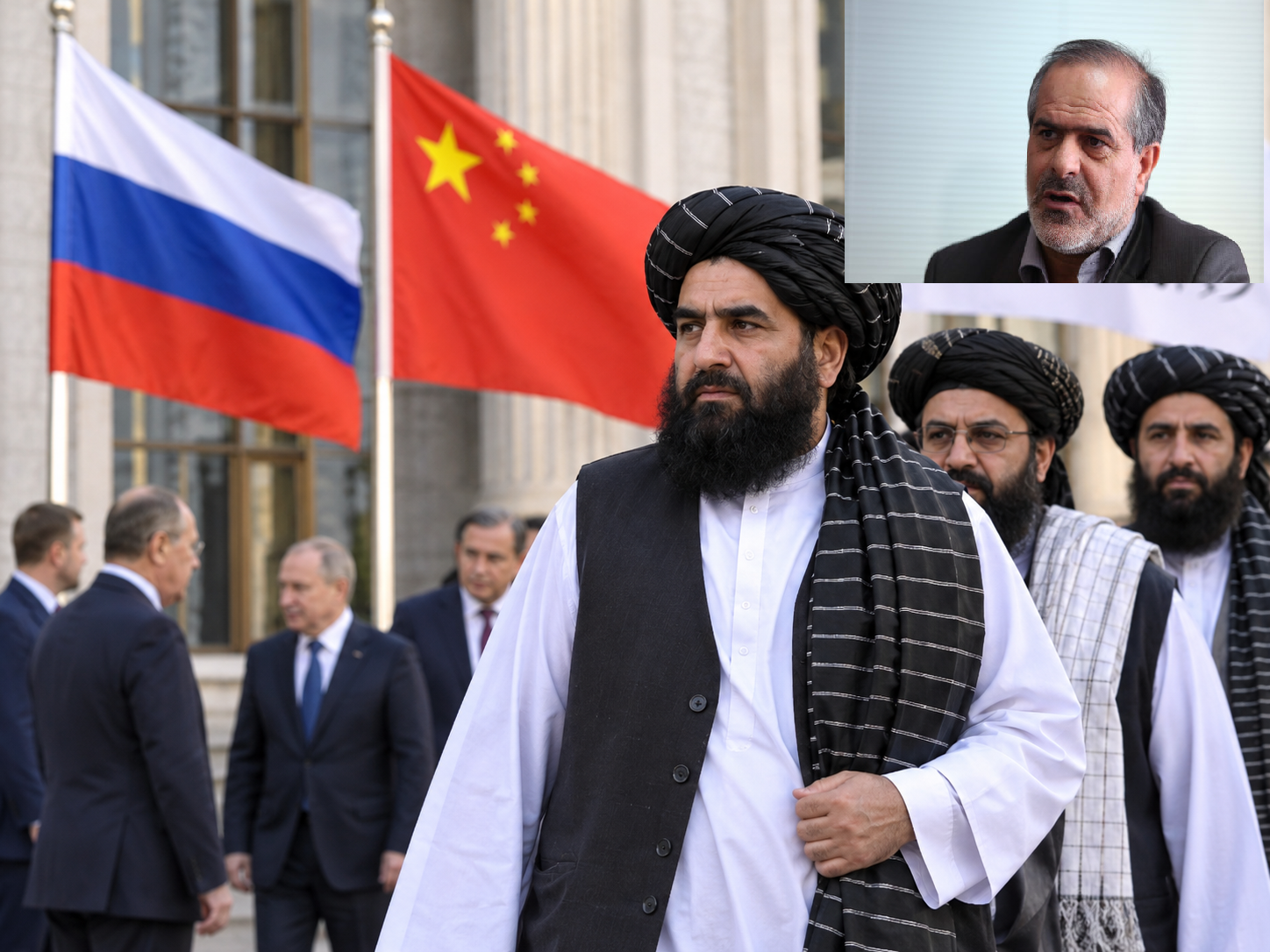


Alwaght- Russia's decision to recognize Taliban government in Afghanistan and its repeated emphasis on this position in regional summits once again highlight the difference of approaches of the regional countries to the current rule in Afghanistan.
Moscow recognized the Taliban government in July 2025 and upgraded its diplomatic relations with Kabul to the embassy and ambassador level. The Kremlin supports this government's presence in regional structures and summits, especially the Shanghai Cooperation Organization, and the Taliban attend meetings held in Moscow. In contrast, Central Asian countries and Afghanistan's other neighbors, despite expanding political, economic, and trade engagement with Kabul, continue to refrain from formally recognizing the Taliban.
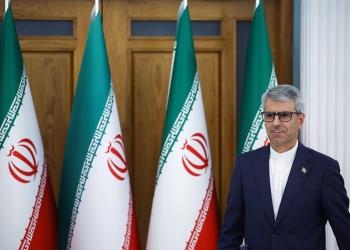
This difference in approach has raised questions about the reasons behind Moscow's decision, Central Asian countries' security concerns, and the prospects for the Taliban's exit from international isolation. Mohammad Reza Farghani, Iran's former ambassador to Turkmenistan, in an interview with Alwaght attributes the reasons for Russia's decision to three historical, political, and diplomatic factors: Moscow's traditional policy of supporting Pashtun governance in Afghanistan, an assessment of the Taliban's changes during their second period in power, and the role of traditional Russian diplomats. He also identifies Central Asian countries' security concerns as the main obstacle to their formal recognition of the Taliban and predicts that China is the most likely candidate to formally recognize the Taliban after Russia.
Alwaght: Russia recognized the Taliban government in July 2025. What level of relations has this recognition brought and what aim does Russia seek behind highlighting this decision?
Farghani: Currently, Russia has an ambassador in Kabul, and reciprocally, the Taliban also have an embassy in Russia. Moscow also emphasizes at regional meetings that it is the first country to recognize the Taliban. Russia supports Afghanistan's presence in regional summits and organizations, especially the Shanghai Cooperation Organization, and the Taliban attend meetings held in Moscow. In my view, through this behavior, Russia seeks to cement its position as the first country to recognize the Taliban and to advance this as a special policy toward Afghanistan.
Alwaght: Why did Russia make such a decision? What is the most important driver?
Farghani: This decision has several major reasons. The first and perhaps most important reason is Russia's traditional and historical policy toward Afghanistan. The Russians, whether in the Tsarist era, during the Soviet Union, or after it, have supported Pashtun governance in Afghanistan's developments. This policy has been pursued more or less across different periods, from the era of Zahir Shah and Daoud Khan to the period of communist governments. Therefore, one of the main foundations of Moscow's decision is this historical policy.
The second reason relates to the difference between the Taliban in their second period and their first. The Taliban once again came to power in Afghanistan in August 2021, but Russia moved to formally recognize the Taliban government in July 2025, that is, after four years had passed. This time gap shows that Moscow was waiting to see the differences of the second-period Taliban in practice. In my assessment, after Russia observed these differences and concluded that the second-period Taliban had distanced themselves from the excessive extremism of ISIS and Al-Qaeda, it moved to establish diplomatic relations and formally recognize this government. Of course, this is my assessment and should be seen as a personal analysis.
The third reason is the presence of traditional politicians and diplomats in Russia's governing structure. Figures such as Zamir Kabulov, the Russian government's special representative for Afghanistan, are veteran and traditional Russian diplomats who remain interested in supporting Pashtun governance in Afghanistan and pursue this approach. Russia has also been in contact with all parties involved in Afghanistan's developments over the past decades and has a more complete understanding of this country. On the basis of this understanding, Moscow has concluded that it can pursue its interests in Afghanistan through the current Taliban government.
Alwaght: Do you believe that the Taliban's second rule is different from that of first rule? Can you elaborate?
Farghani: What has become clear in practice over recent years is that the current Taliban differ from the Taliban of the first period. The Taliban government in the current period has shown that, at least in its relations with neighboring countries and in its foreign policy, it is not seeking to export its particular and extremist interpretation of Islam. The Taliban have proven this in practice over recent years. On this basis, it seems that in the coming year other countries will also line up to recognize this government and, following Russia, move to establish full diplomatic relations with Kabul.
Alwaght: Why do Central Asian countries yet to recognize Taliban government despite expanding economic and trade ties with Kabul?
Farghani: The main reason is these countries' concrete and perceived security concerns. Central Asian countries still regard the Taliban's religious and Islamic extremism in Afghanistan as a serious security threat to their own countries' security. Part of this concern stems from the presence of extremist Islamist groups belonging to Central Asian countries among the Taliban, as well as terrorist groups such as Al-Qaeda and ISIS.
Of course, there are currently differences between the Taliban and ISIS, and Central Asian countries' economic and trade cooperation and exchanges with Afghanistan are also expanding day by day. Nevertheless, these countries will delay formal recognition until they reach complete confidence. In my view, in the not-too-distant future, Central Asian countries are also likely to recognize the Taliban government. This will happen when these countries conclude that the second-period Taliban no longer have the Islamic extremism of the first period, or at least do not intend to export their particular Islamic extremism beyond Afghanistan's borders.
Alwaght: What country do you think can come next after Russia in recognizing the Taliban?
Farghani: I think China is the most likely candidate. China currently has active diplomatic relations with Kabul and has established a very active and extensive embassy in Afghanistan in terms of the number of diplomats and political and economic experts. China has a broad economic presence in Afghanistan, and Chinese companies are also operating in the country and have invested in various sectors.
Given the breadth of diplomatic relations, the presence of political and economic experts, the activity of Chinese companies, and China's investments in Afghanistan, my prediction is that China will be the first country to recognize the Taliban government after Russia next year. After China, other neighboring countries will also gradually recognize Afghanistan, and in this way, the Taliban government will emerge from the isolation in which it finds itself. With the expansion of the process of recognition of the Taliban by regional and global countries, the ground will also be prepared for the Taliban government's acceptance in the United Nations. This is my prediction, and it is natural that developments on the ground and political developments can affect it.
Alwaght: What is your understanding of the process of the Taliban recognition?
Farghani: It is gradual. Russia took the first step in July 2025, and China appears to be the most likely next candidate. Central Asian countries, despite their security concerns, will also move gradually in this direction, conditional on receiving guarantees regarding the non-export of extremism. Overall, the Taliban appear to be gradually emerging from international isolation, although serious obstacles such as security concerns, the status of women's rights, and political inclusiveness continue to influence this process.