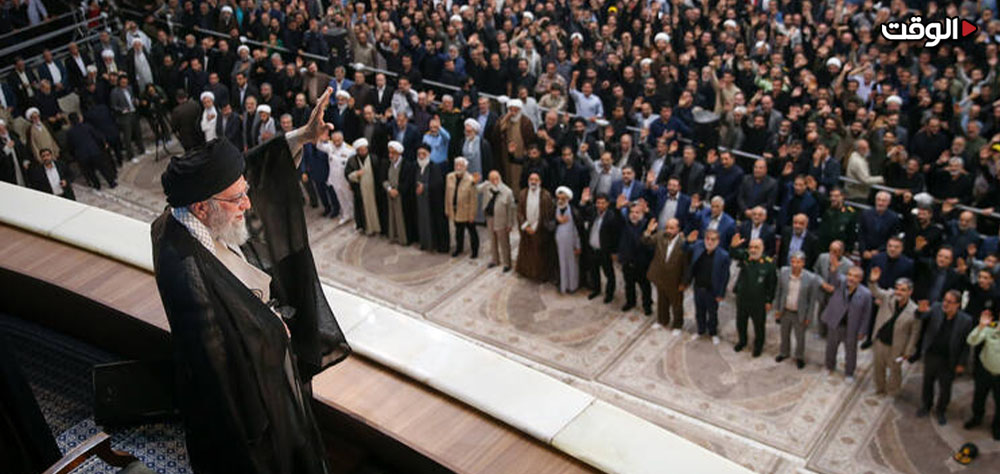
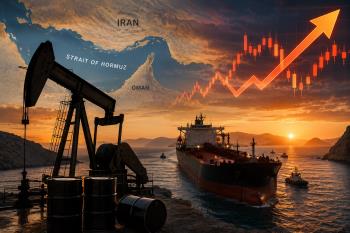





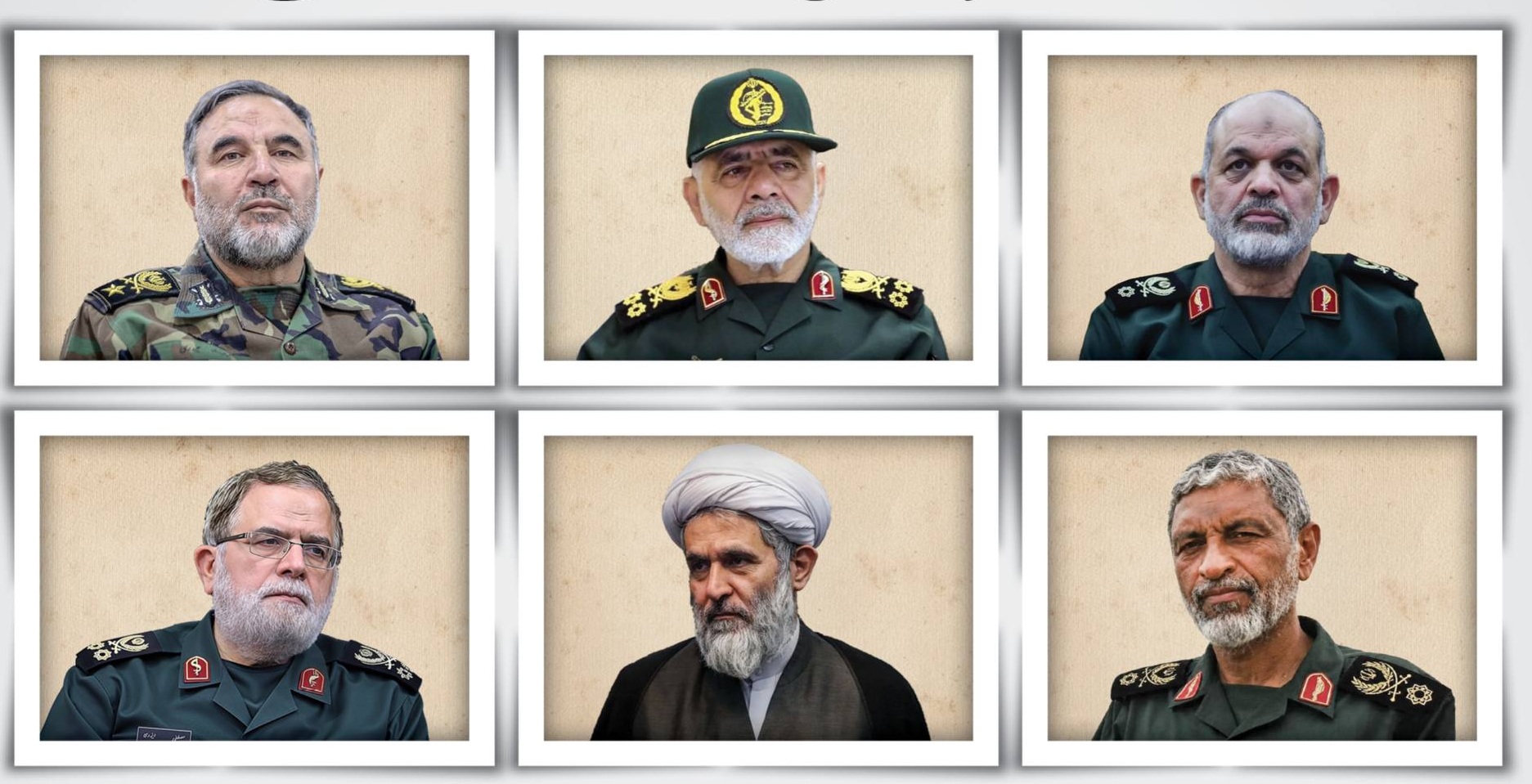


Alwaght- Iranian Supreme Leader Ayatollah Seyyed Mojtaba Khamenei’s decrees appointing six senior Iranian military commanders swiftly grabbed international media attention. A significant share of outlets framed the moves not as routine administrative shuffles, but as part of a broader overhaul and consolidation of Iran’s armed forces command structure in the wake of the recent war, an effort unfolding alongside ongoing deliberations over the conflict’s future and negotiations to reopen the Strait of Hormuz.
In their coverage, multiple media outlets underscored that several of the commanders officially named today had effectively been serving in their posts for months, yet their formal appointment orders had remained pending until now.
Media focus on appointment of General Abdullahi and General Vahidi
A central focus of foreign media has been the appointment of Major General Ali Abdollahi as chief of the Armed Forces General Staff and Major General Ahmad Vahidi as the commander of the Islamic Revolutionary Guard Corps (IRGC).
Al Jazeera, in a report headlined “Iran Cementing Its Chain of Command; Veteran IRGC Commander Tapped for Key Security Post,” reported that the Iranian leader’s office not only named Major General Mohsen Rezaei as secretary of the Supreme National Security Council but also formally resolved six military appointments. The outlet described Abdollahi as Iran’s joint war commander and noted that he has now taken the helm of the Armed Forces General Staff.
Al Jazeera also highlighted that General Vahidi had effectively been commanding the IRGC all along, but the new decree officially locks in that role.
The Times of Israel, for its part, reported that Iran’s supreme leader had made six fresh appointments across the armed forces and the IRGC, placing Generals Abdollahi and Vahidi at the top of the new command structure. The outlet also pointed to a notable detail; that Vahidi had been serving as de facto IRGC chief since March.
The Jerusalem Post, likewise, described the new military decrees in Iran as a significant development.
Completing the command structure post-war
A common thread across the coverage is the emphasis on the wartime and security-driven nature of these changes. That points to a function beyond just picking individuals. The decrees serve to formalize and lock in the command chain after a period in which Iran's military structure had undergone changes, following the martyrdom of a number of senior commanders.
The Times of India explicitly framed the appointments as a "wartime military command overhaul," reporting that they were aimed at shoring up Iran's command structure amid active conflict. The outlet noted that the changes span the armed forces, the IRGC, the IRGC Navy, and the Basij forces.
Message of new appointments for Washington
One of the most significant angles in the international coverage has been the direct linkage between Iran’s senior military appointments and the ongoing indirect talks with the US. Al Jazeera, citing Sina Azodi, a professor at George Washington University, reported that the moves signal a consolidation of Iran’s military power after the war, and send a clear message to Washington, telling it that contrary to Trump’s claims, Iran is enjoying a measure of internal stability.
There is broad alignment between Iran’s supreme leader, General Ahmad Vahidi, and senior military commanders on the need to sustain resistance against the US, reported Al Jazeera. The outlet also noted that the appointment of Major General Mohsen Rezaei as secretary of the Supreme National Security Council reflects an effort to shore up domestic cohesion and tap into the experience of a seasoned military figure.
Reuters: General Rezaei, the linking ring of military and security structures
In this connection, Reuters in its reports focused on Rezaei having been appointed secretary of Supreme National Security Council.
The news agency described him a seasoned military and political figure, close to the Supreme Leader. He was an IRGC commander during the Iraqi war against Iran in the 1980s. Reuters further pointed to tough stances of Rezaei regarding talks with the US and the ceasefire.
Reuters, framed the significance of General Rezaei’s appointment as extending well beyond the bureaucratic post itself. The timing, the agency noted, is key. The change comes as negotiations continue over reopening the Strait of Hormuz, and the Supreme National Security Council serves as the critical coordinating body bridging the presidency, the foreign ministry, the armed forces, and the security establishment.
Taken together, then, the military appointments and Rezaei’s elevation to secretary of the Supreme National Security Council paint a broader picture: even as Iran locks in its military command structure, it has placed a seasoned, battle-tested figure atop its national security apparatus, ensuring that the country’s security and military arms move in full accordance.
So, from the viewpoint of international media, new decrees by Iran's Leader should not be seen as a bureaucratic routine, but as a part of cementing the power and command structure of Iran in a post-war period, showing that Tehran has well managed the post-war situation and reach a state of stability.