












ALWAGHT- The United States is experiencing a historic decline in naval supremacy, as waters that were once firmly under its control become arenas of growing instability and confrontation.
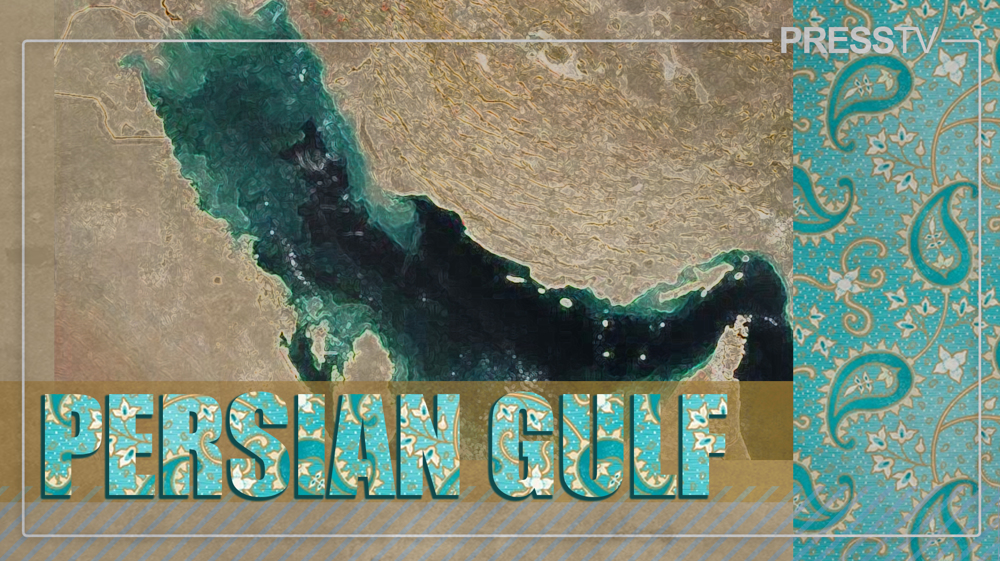
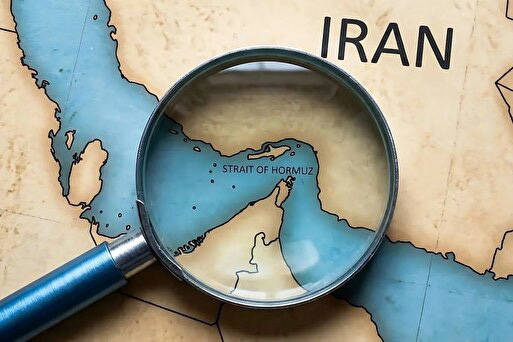
Tehran is consolidating absolute sovereignty from the strategic Strait of Hormuz to distant waters where US vessels have retreated, placing Washington in a stalemate and signaling the end of American regional and global influence. Following comprehensive deterrent operations, Iran has emerged as a power capable of reshaping security and economic dynamics in the world's most vital energy arteries, undermining the Western hegemonic system and redefining maritime navigation and naval control.
Yemeni military expert Brigadier General Mujeeb Shamsan told Al-Masirah that the US—long presenting itself as the guarantor of global freedom of navigation—has suffered unexpected defeats, beginning in the Red Sea where five US naval groups were targeted over 15 months of Yemeni support for Gaza. He noted that a US retreat on May 6 marked a turning point, with American carriers forced to maintain a distance of over 1,000 kilometers from Iranian missiles and drones. Shamsan added that Iran is not merely imposing a selective blockade but working to uproot US hegemony and establish a new maritime order, with Iranian strikes having neutralized 9 to 14 US bases among 288 targeted installations.
Shamsan warned of dangerous signals ahead, noting over 250 military cargo flights to regional countries—including the UAE, Kuwait, Qatar, and Bahrain—alongside arms deals exceeding $14 billion since the ceasefire. He concluded that after reaching a dead end in direct confrontation with Iran, Washington is now seeking to use these countries as tools, adopting the option of "limited war" and managing the battle through regional allies while providing logistical support, ammunition, and covert military management.