















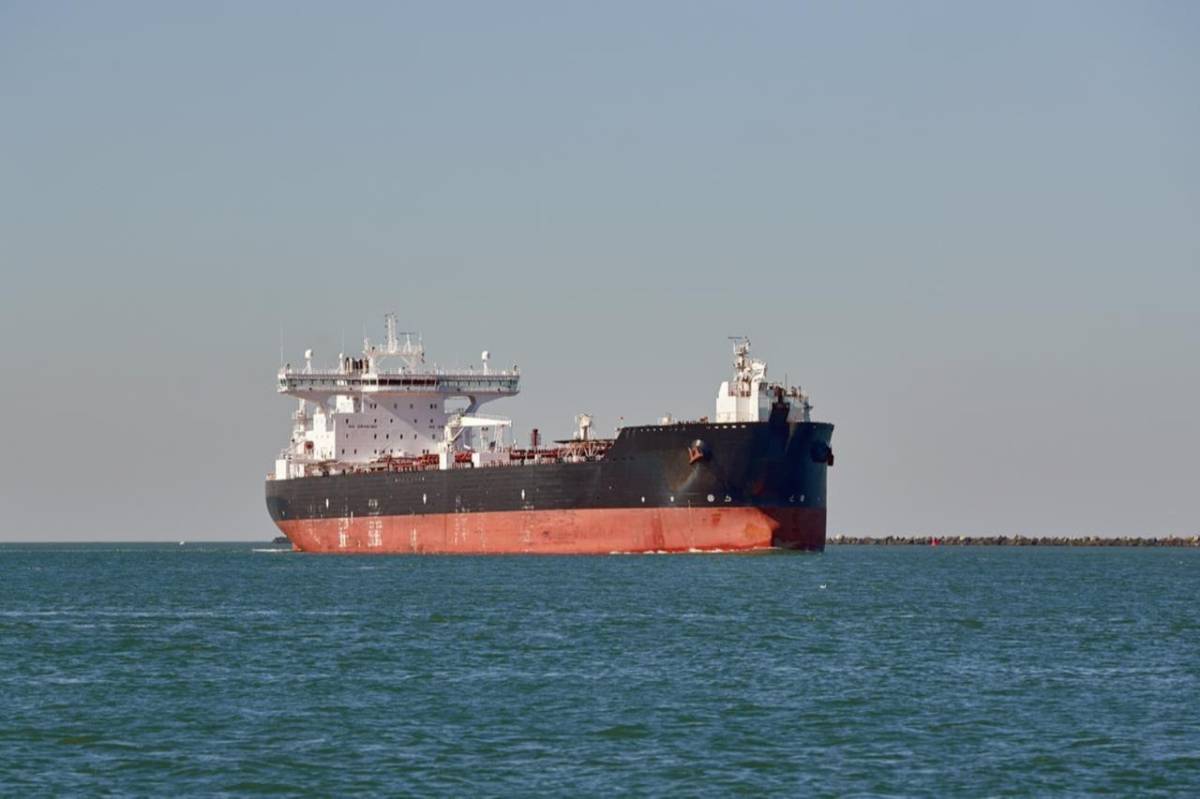


ALWAGHT- After the Strait of Hormuz was closed due to US and Israeli military strikes against Iran, the global LNG market dropped 8 percent in March 2026, ending its double-digit growth trend.
Data tracking global LNG loadings from January 2025 through March 2026 shows that the market was on a notable expansion path before recent geopolitical tensions. In the first half of 2025, production and exports rose steadily, with double-digit growth recorded in certain periods from March onward, driven largely by North American capacity expansion and increased supply from other regions. The market peaked between summer and autumn of 2025, with annual loadings increases reaching approximately 9 to 10 billion cubic meters in months like October and November.
By late 2025, signs of slowing growth emerged, with the expansion pace weakening in December and continuing into January and February 2026. The situation shifted dramatically when escalating geopolitical tensions and the closure of the Strait of Hormuz—following US and Israeli attacks against Iran—pushed the market into a new phase. As one of the world's most critical energy transit routes, disruption to the strait caused a significant reduction in global supply, evident in March 2026 when global LNG output declined by approximately 8 percent compared to the same period the previous year.
Regional breakdowns reveal that the sharpest declines occurred in the Middle East and "other regions," both heavily affected by transport and export constraints, while North America maintained positive growth that was insufficient to offset losses elsewhere. These developments highlight the acute sensitivity of the global LNG market to geopolitical events, as any disruption in strategic chokepoints like the Strait of Hormuz can rapidly reverse growth trajectories. If the current situation persists, it could have far-reaching implications for energy prices, supply security, and investment prospects in the gas sector.










