










ALWAGHT- Iraq's relatively consensual process for selecting a new prime minister shows a push beyond disagreements toward stability. Ali al-Zaidi's nomination reflects a new focus on economic efficiency, fiscal management, and public accountability.
Following parliamentary elections, Iraq entered a sensitive phase to select a new prime minister. While the constitution mandates that the majority parliamentary bloc nominate a candidate who must then present a cabinet for a vote of confidence, the process has historically been complicated by political infighting. In the recent period, however, disagreements among political forces did not escalate into a crisis. Emphasis on adhering to legal timelines and preventing a power vacuum helped advance negotiations, with decision-making largely kept within political structures to avoid external interference, demonstrating a relative maturity in Iraqi political behavior.
During the selection process, several prominent figures were proposed, including Nouri al-Maliki and Mohammed Shia' al-Sudani. Differing views emerged over retaining traditional figures versus selecting new faces, with some factions prioritizing change and others stressing executive experience. Ultimately, pressure to expedite government formation led to a compromise. The withdrawal of some candidates and their support for a single nominee paved the way for consensus, reflecting the prioritization of political stability over individual competition.
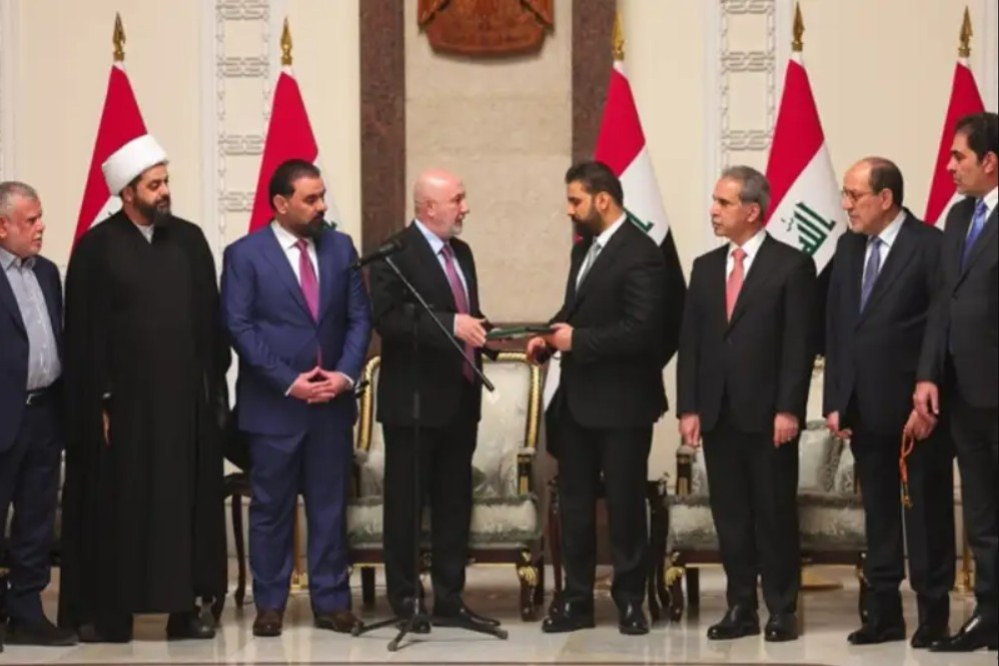
Ali al-Zaidi emerged as the final selected candidate, representing a different generation within Iraq's political structure. With a background in finance, banking, and law, he adopts a technocratic approach to governance at a time when Iraq's economy faces numerous challenges. His managerial record in the banking sector demonstrates experience in capital management, strengthening the financial system, and increasing trust in economic structures, while his activities in education and investment reflect a development-oriented vision focused on economic reforms, infrastructure improvement, and workforce empowerment.
Al-Zaidi's selection carries multiple implications for Iraq's political and economic future. Politically, broad support for him signals a willingness to establish an inclusive government that could reduce internal tensions and strengthen cooperation among factions. Economically, his financial expertise could help improve policymaking, reform economic structures, attract investment, and create jobs. The selection may also influence Iraq's regional and international relations by adopting balanced policies focused on national interests. Overall, al-Zaidi's appointment could represent a turning point for rebuilding public trust and moving toward sustainable development, provided his announced programs are effectively implemented.