



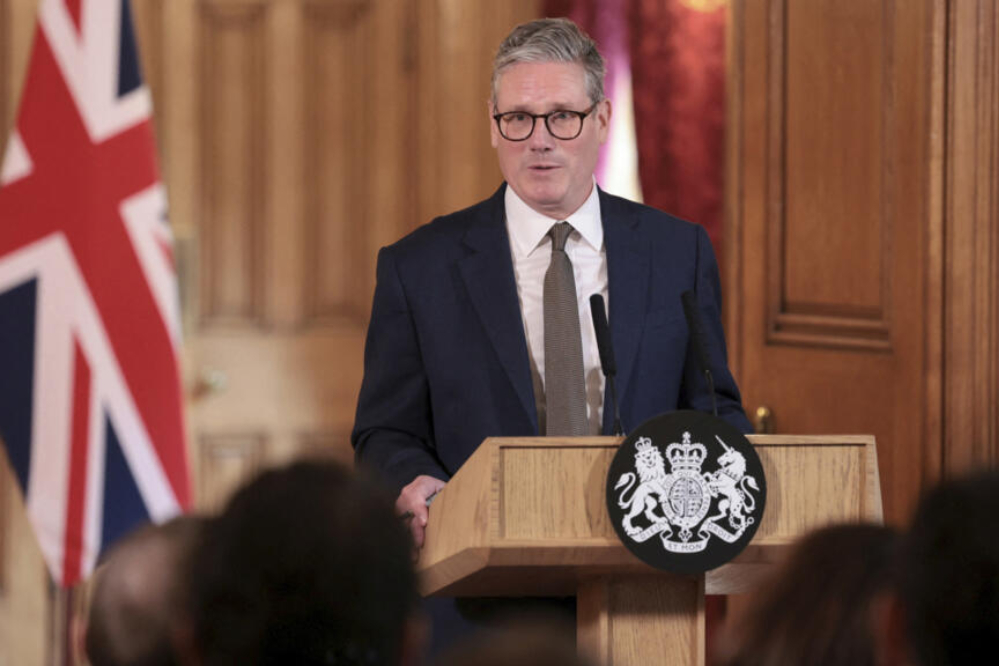


ALWAGHT- As the United Kingdom grapples with an economic crisis and a shrinking global role, reports indicate that Prime Minister Keir Starmer's government plans to introduce new anti-terrorism legislation. Against a backdrop of domestic pressures and public discontent, this move is being seen as an effort to shift public attention while advancing foreign policy goals.
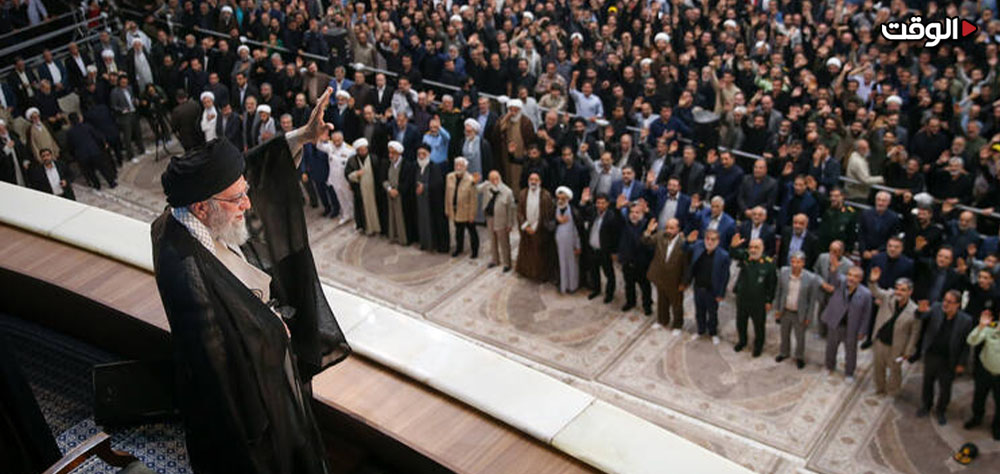
Amid an economic crisis and Britain's declining global influence, the BBC reports that Prime Minister Keir Starmer's government is planning new "counter-terrorism" powers. These would allow the UK to ban state-linked threats, including Iran's Islamic Revolutionary Guard Corps (IRGC)—an official branch of Iran's armed forces, not a militia. The proposal would criminalize support for such groups and is expected to be included in the King's Speech on May 13. Starmer has expressed "deep concern" over Iran's use of proxy forces, and Labour had pledged to designate the IRGC as a terrorist organization before the 2024 election. Critics argue such a move contradicts international law and serves as a distraction from domestic decline.
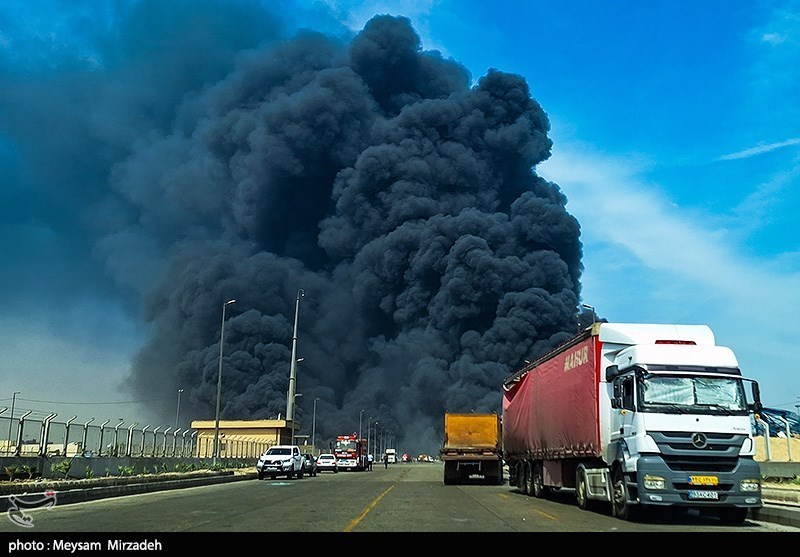
Starmer came to power promising economic recovery, but his record has been marked by failure—deepened by the US-Zionist war campaign that London supports. Fuel shortages, rising energy prices, and potential rationing have forced the government to prepare emergency plans for disruptions in goods and energy imports. Projections point to higher inflation, household pressure, and slower growth. The Financial Times has even published an image of Starmer with a red nose outside Downing Street, symbolizing his political strain. By aligning with US-Israeli demands, he appears to be manufacturing distractions to divert public attention from the economic crisis.
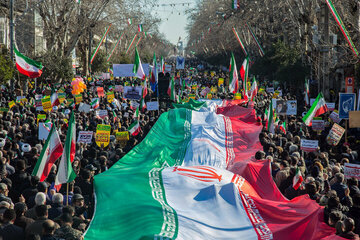
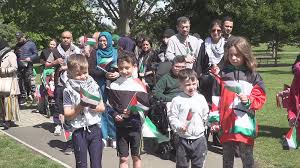
British foreign policy has provoked public anger, including participation in the US-Zionist war against Iran and continued support for Israel. Hundreds have protested near RAF Fairford, a US Air Force base used for operations against Iran. Meanwhile, regular anti-Zionist demonstrations have been held across the UK since Operation Al-Aqsa Storm, with 75 MPs speaking in favor of sanctions against Israel. Despite this, British police suppress anti-Zionist protests, and the UK has quietly shut down a unit monitoring Israeli violations of international law, citing budget reductions.
London's leadership appears trapped in an "Israel first" approach, intensifying hostile measures against Iran to maintain pro-Israel lobbying support and divert attention from domestic issues. While Britain claims it is not participating in the US-Zionist war, it provides weapons and military bases to the US, deepening its own economic crisis. Aware of its military limitations, London resorts to threats and sanctions to extract concessions regarding the Strait of Hormuz. However, Tehran has made clear it will not yield to intimidation, and without guarantees and an end to hostilities, London's actions will only further worsen its already deteriorating position.