








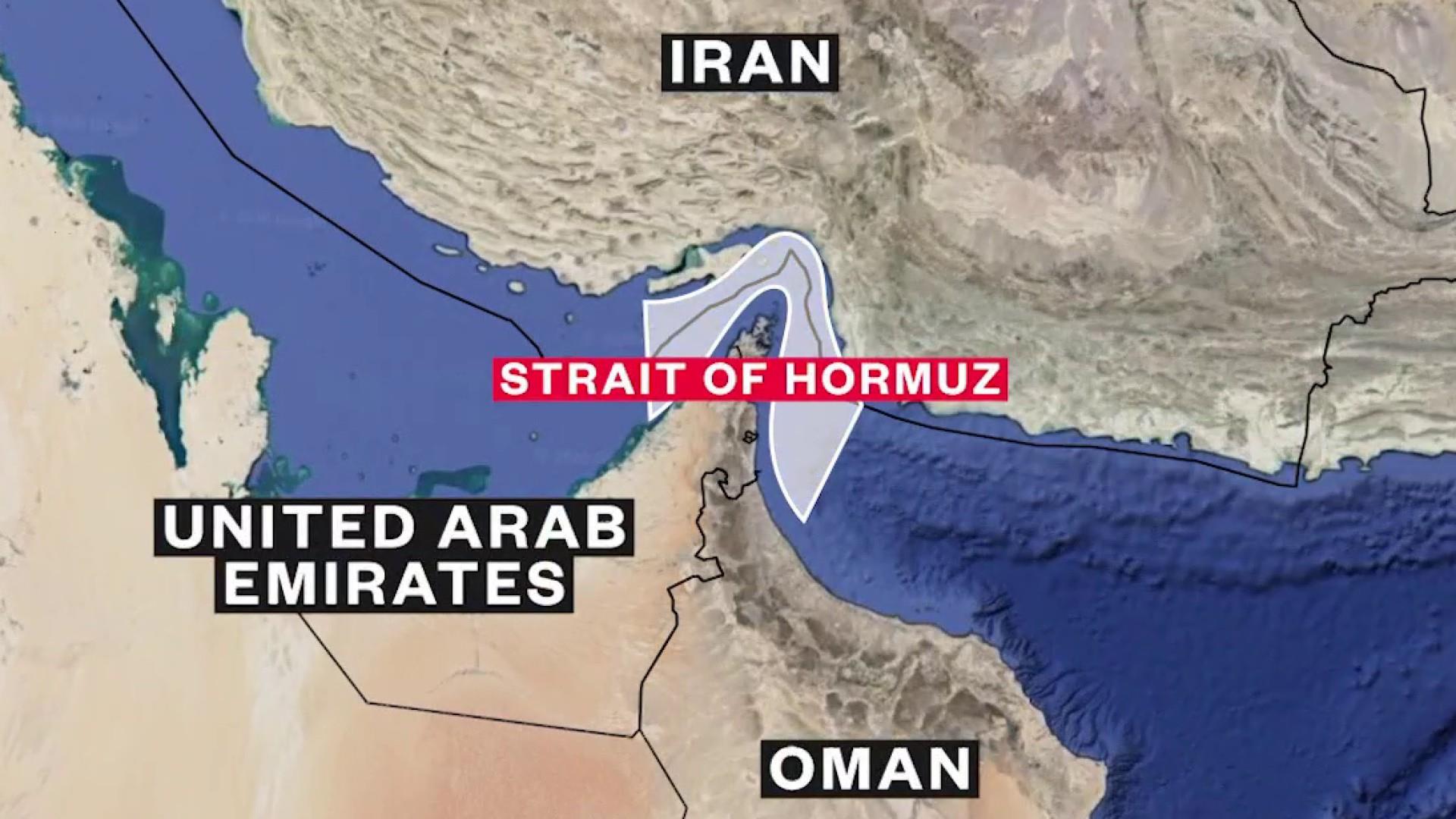


Alwaght- The Iranian war with the American-Israeli aggression camp has neared its second week and as the Iranian officials had warned the scope of crisis is encompassing not only the region but the whole world. The most noticeable sign of the impacts of the unwise adventure of the White House that is blindly following Netanyahu is the sharp rise in the energy prices as an immediate consequence of the closure of the Strait of Hormuz which cuts the gas and oil artery to the world. This surge in the light of the lack of a clear outlook to the end of war endangers the world economy and the fate of millions of people across the globe, especially in the West.
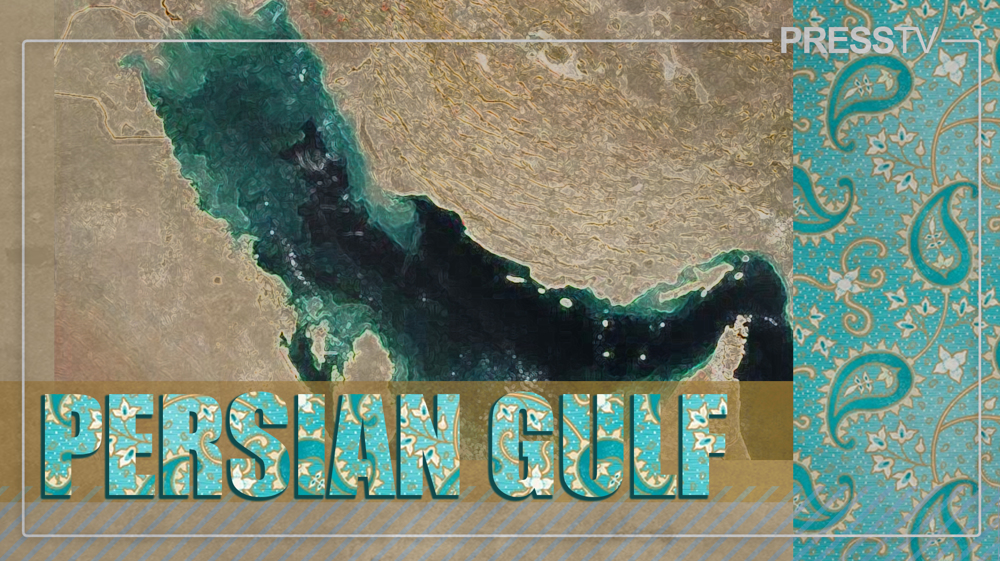
The core driver behind this price surge is the closure of this strategically significant strait which is now under Iranian Control. Tehran bans maritime navigation in this waterway due to the naval presence of the aggression countries, arguing that according to the international laws, it will keep the strait closed until war conditions end.
However, the closure of the Strait of Hormuz must be blamed on the miscalculation by neighboring Arab countries in the Persian Gulf. By ignoring Iran’s threats and warnings about not allowing the US to use their airspace and bases to attack Iran, they have contributed to intensifying the crisis. As a result, Tehran continues its defensive operations against American targets in these countries, citing its right to self-defense against threats.
These operations have naturally made safe passage for ships in the Persian Gulf impossible. Insurance companies and oil tanker operators are unwilling to engage in oil and gas transactions to prevent potential losses, complicating these countries’ efforts to sell and transport their oil to global markets.
Oil is a highly strategic and essential commodity for driving the global economy. In addition to fueling vehicles and the dependency of air, maritime, and rail transport sectors on it, oil plays a crucial role in providing a vital chain of petrochemical raw materials used in a wide range of products from clothing to food industries. This means that skyrocketing energy prices will not only disrupt global production but will also exacerbate inflation for consumers.
Observers argue that this situation cannot last for a long time and the world economy is not resilient enough to weather this crisis, something building pressure on the White House to stop this snowballing crisis. The conditions are so deteriorated that Trump, who at the beginning of war insisted on continuing the aggression until unconditional surrender of Tehran, now is moving to announce premature victory as he is fearing the heavier consequences of the conflict to steer clear of going deeper into the quagmire he created.
The premature announcement of the end of the war, along with some temporary measures such as releasing strategic oil reserves of countries, around 20 percent, or 200 to 300 million barrels, has momentarily halted the rapid rise in oil prices. However, this solution will only be effective for a few days, and if the war does not cease, the market will once again be engulfed in a heated crisis.
Iran has consistently demonstrated that it can fully control the Strait of Hormuz and prevent any movement that falls outside of its military doctrine whenever it chooses, despite all the speculation. In the coming days, Iran will undoubtedly prove the futility of Trump’s promise to reopen the Strait of Hormuz, thereby exposing Trump’s media strategy aimed at containing the crisis as a failure.
The war for Iran’s security and the future of the region is existential and decisive in nature. As promised, Iran will decide how and where this crisis ends and will not accept Trump’s one-sided ceasefire until the enemy is completely regretful. This means that the crisis in the region, characterized by Strait of Hormuz remaining closed, will linger to the next weeks.