













ALWAGHT- Although often restated, the UAE’s claims on Iran’s three Persian Gulf islands are false and run counter to history, law, and established realities.
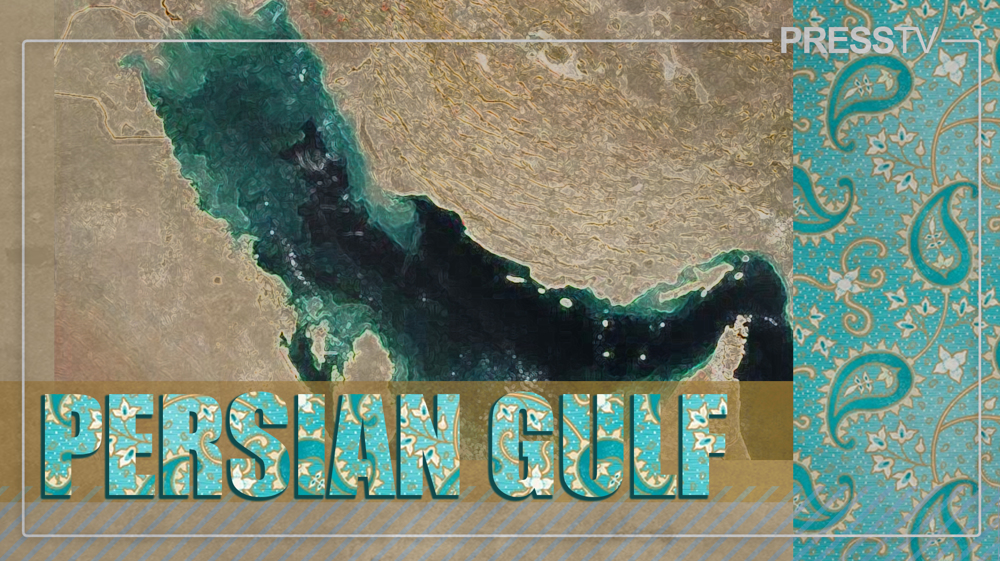
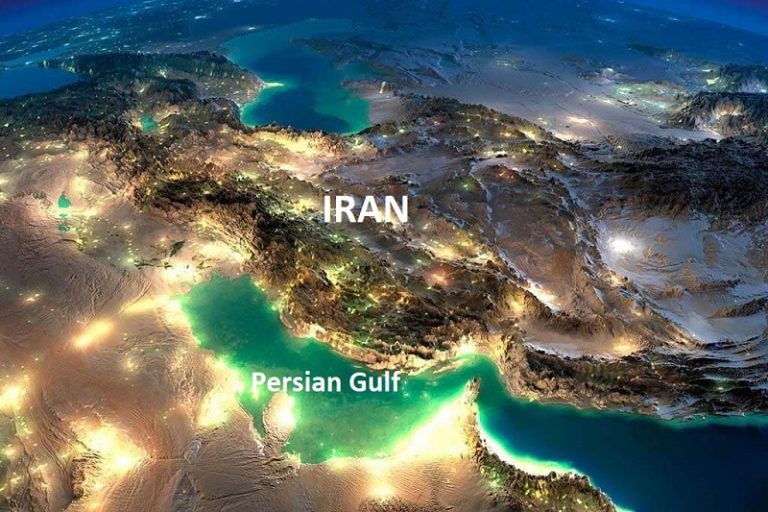
In recent weeks, some Arab countries, including the UAE, have reiterated claims over Iran’s three islands—Abu Musa, Greater Tunb, and Lesser Tunb. These claims are baseless, as the islands are inseparable parts of Iran’s territory, and such assertions contradict international principles of territorial integrity, good neighborliness, and historical records.
Historical evidence shows that Iran’s sovereignty over the islands dates back to the Achaemenid, Parthian, and Sassanid eras, during which Iran maintained order and security over the Persian Gulf and its islands. During the British colonial period, Britain occupied parts of the Persian Gulf, including areas now part of the UAE, but Iranian governments consistently contested these occupations through negotiations and international forums.
In 1971, as Britain prepared to leave the Persian Gulf, Iran and Britain reached an agreement returning the three islands to Iran, formally recognizing Iran’s sovereignty. Since then, the islands have remained under Iranian control. After the 1979 Islamic Revolution, external actors, including Britain, the UAE, and other regional and Western powers, have attempted to revive these unfounded claims, largely due to opposition to the Revolution and geopolitical interests.
Iran maintains that these claims are entirely false and continues to defend the islands vigorously. The Iranian flag flies on the islands, and they are fully protected by Iran’s armed forces. November 30 is officially recognized as Trio Islands Day, and Iran’s judiciary has confirmed ownership based on historical evidence. Attempts by foreign powers to support the UAE’s claims do not alter historical, geographical, or legal realities.