















ALWAGHT- Failed ceasefires, escalating strikes, ground operations, and rising casualties point to a widening regional conflict.
Despite the announced ceasefire in Gaza, violence has continued at a near-daily pace, with hundreds killed and thousands injured since it took effect. Specific days in late October and November saw some of the deadliest attacks, leading observers to describe the truce as a “reduced fire” rather than a real halt to hostilities. While casualties rise, international scrutiny has noticeably declined.
Amnesty International has warned that claims of life returning to normal in Gaza are dangerously misleading. Secretary General Agnès Callamard said limited aid and reduced bombing should not be mistaken for stability, stating that the crisis is ongoing. Hospitals remain non-functional, cold weather has left displaced families exposed, and widespread destruction has stripped civilians of shelter and livelihoods.
Aid organizations say the humanitarian situation is worsening due to restrictions on relief convoys. Since the ceasefire, UN agencies and international NGOs report that thousands of tonnes of food, water, tents, and medical supplies have been blocked from entering Gaza. As a result, large numbers of residents remain without adequate housing, nutrition, or healthcare, deepening an already severe humanitarian emergency.
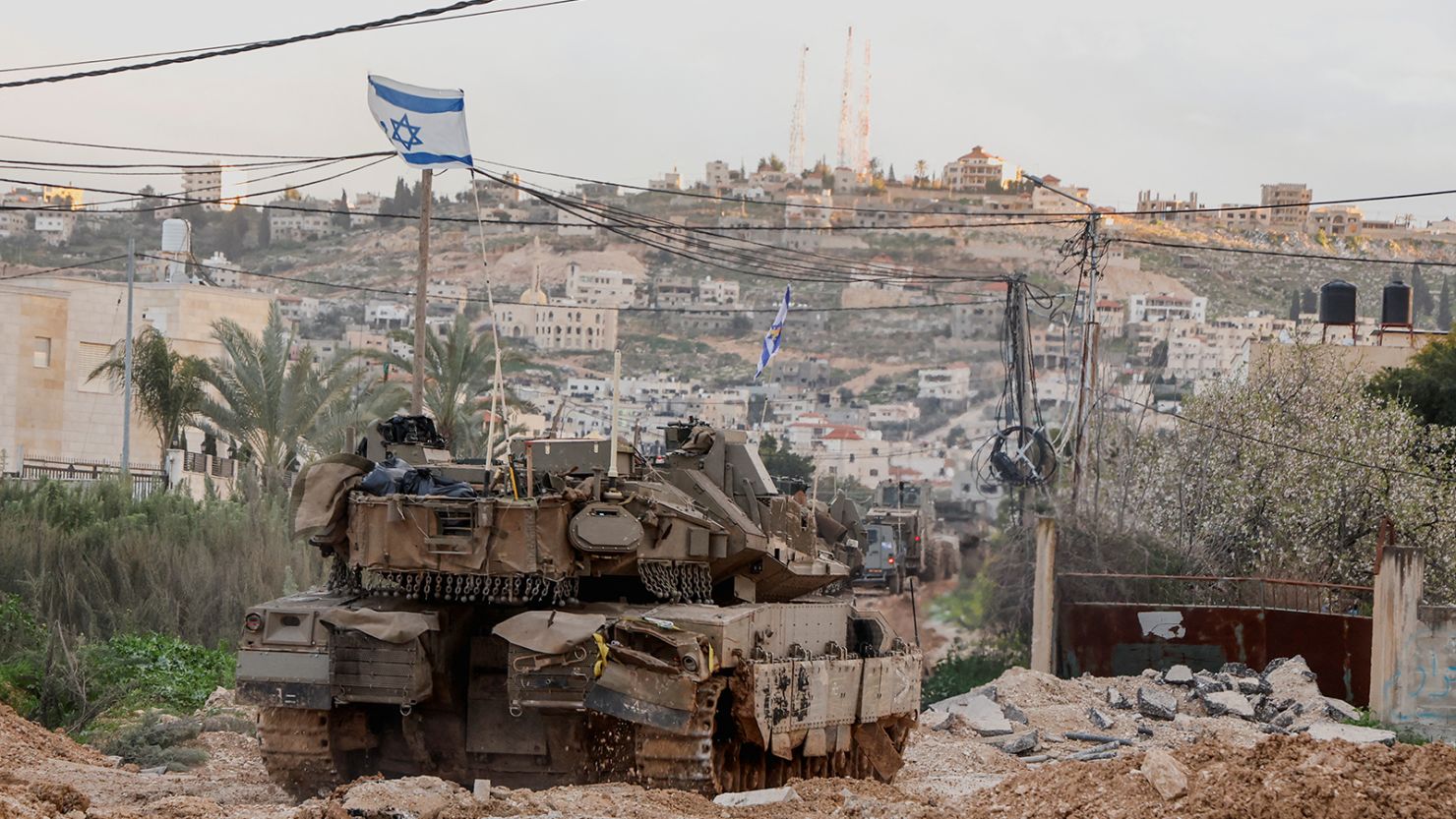
In the West Bank, violence has intensified into what human rights groups describe as systematic abuses, including mass displacement, killings, and alleged extrajudicial executions. The United Nations has recorded record levels of settler attacks, while Human Rights Watch has warned that current operations may amount to war crimes and crimes against humanity. Meanwhile, reports of torture and deaths in Israeli detention facilities continue to surface.
The conflict has also widened beyond Palestinian territories into Syria and Lebanon, where Israeli incursions, airstrikes, and ceasefire violations have displaced tens of thousands and resulted in civilian casualties. UN forces report thousands of violations in Lebanon alone. Analysts and international observers warn that these “ceasefires” lack substance and sustainability, and that without accountability and an end to unlawful military actions, prospects for peace across the region remain bleak.