













Alwaght- Six months after start of the US-Israeli war of aggression against Iran, figures published by Al Jazeera give a picture of failure to Trump's military campaign for what he expected to be a rapid victory. Actually the war not only did not lead to collapse of the Islamic Republic, but also it has become one of attrition and the economic and military costs are overshadowing the economy of the US and its allies.
In a statistical report, Al Jazeera asserted that the US failed to get the determining upper hand in this war and the conflict has now run into a stalemate. Meanwhile, using strategic position of the Strait of Hormuz, Iran has managed to put a considerable strains on the world's trade and energy flow.
7,900 martyred in war
According to the latest official figures cited by Al Jazeera, at least 7,900 people have been killed in Iran, Lebanon, and the Persian Gulf states since the American-Israeli war began on February 28 on Iran.
Of that total, 4,350 have died in Lebanon, 3,527 in Iran, and 28 in the Gulf countries. Another 60 Israelis and 18 US service members have been killed in Iranian retaliatory strikes against the aggressors, while the Pentagon has reported 757 American troops wounded. Experts, however, say the actual toll on US and Israeli forces is far higher, accusing both sides of censoring their casualty figures in the conflict with Iran.
Still, the staggering number of deaths outside Iran’s borders makes clear that a war that started with a direct US-Israeli assault on Iran quickly spiraled beyond its frontiers, engulfing a large swath of West Asia.
5,533 attacks in 6 months
Data from the Armed Conflict Location & Event Data Project (ACLED) shows that the US and Israel have carried out at least 3,580 strikes against Iran over the past six months. Iran, in turn, has launched at least 2,053 attacks on targets in the Persian Gulf states and elsewhere across West Asia.
That brings the total number of recorded strikes over the six-month period to more than 5,500, a tally that undercuts the initial expectation that the US-Israeli military campaign would be a short-lived operation.
Drop of shipping traffic in the Strait of Hormuz fron 100 to 7 ships daily
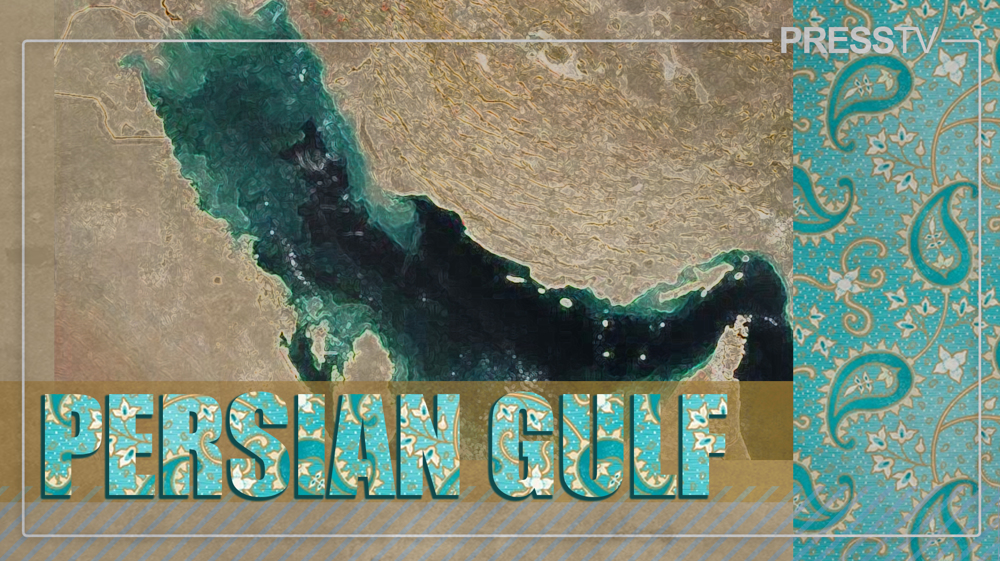
One of the most telling metrics of the war against Iran lies in the Strait of Hormuz. Before the conflict, at least 100 ships transited the waterway daily. But after Iran announced the strait's closure on March 2, that number plummeted to about five vessels a day. A temporary truce in June briefly lifted traffic to roughly 20 ships per day, but when the US reinstated its naval blockade on July 14, daily transits cratered again to around five.
Over the six months of war, the average daily traffic through Hormuz has been just seven vessels, a staggering 93 percent drop from prewar levels.
That collapse stands as one of the clearest indicators of Iran's growing leverage in the conflict, since Strait of Hormuz is one of the most vital routes of energy transfer in the world.
70 maritime incidents
The International Maritime Organization has reported that as of August 26, 70 confirmed incidents involving ships have occurred in the Strait of Hormuz, with a number of foreign sailors losing their lives in the clashes.
The drastic drop in shipping traffic, coupled with mounting maritime hazards, has effectively transformed the conflict from a military confrontation between Iran and the US into a global crisis with far-reaching economic repercussions.
$37.5 billion, the bill of war for the US
War has not only imposed human and financial costs on the US.
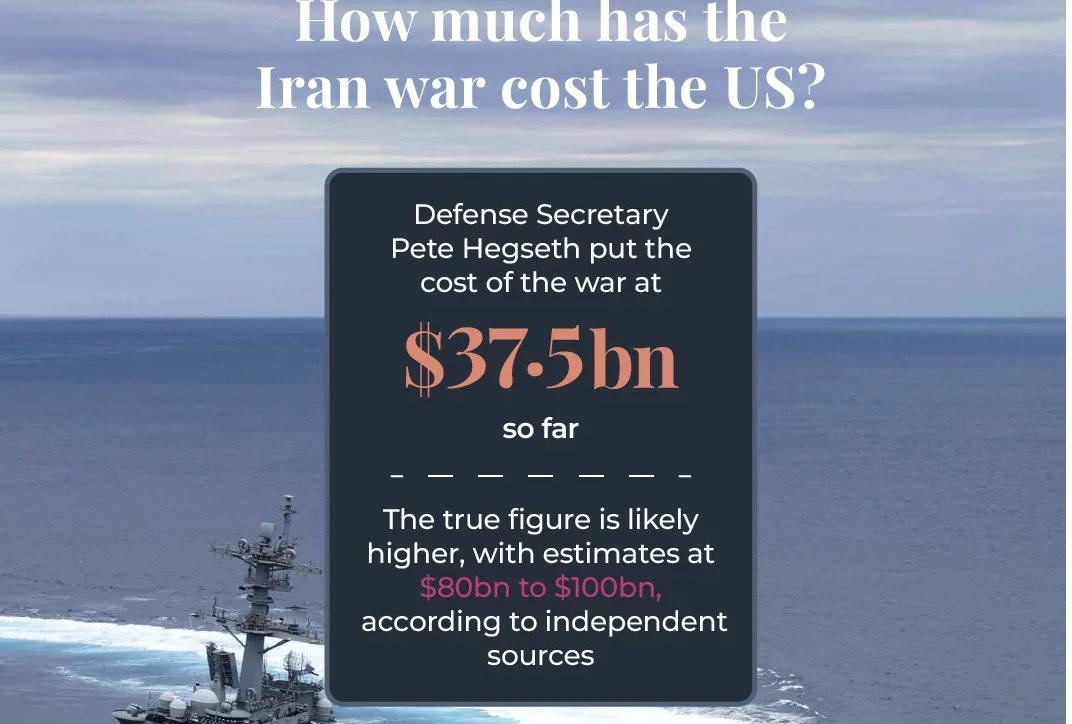
The US Secretary of Defense Pete Hegseth announced that the cost of war until last month was $37.5 billion. By later in April it was around $25 billion and in July around $30 billion.
The bill includes payrolls to forces, costs of operations, maintenance of equipment, and predicted costs by the end of the fiscal year on September 30.
Increase of costs within months is yet another sign of Iran war turning into a heavy financial burden on the US administration.
22 percent, oil price increase
Brent crude, which traded at $72.48 a barrel before the war, had climbed to $88.58 by August 28, a jump of roughly 22 percent.
At the peak of the crisis, oil prices briefly spiked to $120.88 a barrel, a staggering 67 percent above prewar levels.
So, one direct consequence of Washington's military campaign against Iran has been to squeeze global energy markets, effectively shifting a portion of the war's cost onto the world economy.
65 percent opposition to war: Trump's popularity drops to 33 percent
The war has exacted a toll on the Trump administration that extends well beyond the economic realm. According to a Reuters/Ipsos poll cited in the Al Jazeera report, Trump's approval rating has slipped to 33 percent, while 65 percent of Americans disapprove of his performance.
At the same time, 80 percent of respondents believe US involvement in the war with Iran will drag on for a long time, with only 16 percent expecting the conflict to wrap up within weeks.
Those numbers make clear that the American public has abandoned any notion of a short, low-cost war.
18 dead, 757 injured: Human toll for the US military
Direct entry of the American military to a war against Iran has not been without human costs for the US forces.
According to figures, 18 service members have so far been killed and 757 have been injured.
These casualties come as the US enjoys the world's most advanced military equipment. But the Iranian retaliation attacks have managed to effectively strike the American forces and military infrastructure across the region.
6 months of war, Iran still standing firm
Taken together, these figures paint a stark picture of the war's trajectory: six months in, the US and Israel, despite launching thousands of strikes, have neither forced Iran to capitulate nor secured a decisive victory.
For Washington, the cost has been steep. $37.5 billion in direct military spending, 18 service members killed, 757 wounded, surging oil prices, and severe disruption to shipping through the Strait of Hormuz.
Strategically, the most telling development is that what was supposed to be a contained military campaign against Iran has metastasized into a regional and global crisis. Tehran, leveraging its geographic chokehold over the Strait, has managed to drive up the economic and political price for the US. Al Jazeera, in its own assessment, underscores that the war has reached a stalemate.
Six months after the first strikes were carried out, the numbers tell one truth above all: The US could start this war, but it has yet to know how to end it with decisive victory.