













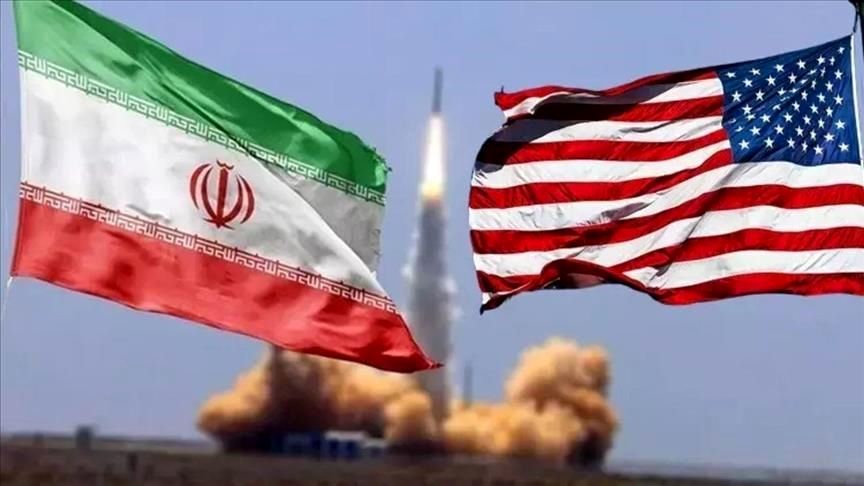


Alwaght- Trump is claiming he has won the war against Iran, but his remarks about possible deal with Iran raise questions by many about whether he is losing the war.
Current conditions in the region show that Iran is totally in control of the Strait of Hormuz, resisting American threats. At the same time some analysts say that the Trump’s allegations about full victory over Iran look baseless.
The Times of Israel has reported that Trump, by signing possible agreement with Tehran, risks sinking in even worse situation, while Iran, though having taken military and economic damages, can counter Washington with a stronger leverage as it has shown that it can control one-fifth of the world’s oil and gas supplies.
Aaron David Miller, a former Middle East negotiator for both Democratic and Republican administrations has said: “Three months have gone and the war that was supposed to be a short-time game for Trump is turning into a long-term strategic defeat."
Trump stricken by pressure and frustration
During his election campaign, Trump promised to avoid unnecessary military intervention, but he has now dragged the US into a quagmire, inflicting lasting damage on both American foreign policy and his own credibility abroad.
Trump’s ongoing stalemate in the war against Iran persists as he faces domestic pressure from rising gasoline prices and low approval ratings at home.
As a result, more than six weeks into a ceasefire, some analysts believe Trump faces a difficult choice: accept a potentially flawed deal as a way out, or return to war and risk a longer crisis. It seems, then, that he is looking for an exit from the current impasse in the war with Iran.
At the same time, there are signs of Trump’s frustration over his inability to gain leverage against Iran. He has lashed out at his critics and accused news outlets of “treason.”
Trump once said his war aims were to destroy Iran’s nuclear capacity, end Iran’s regional influence, and make regime change easier. But there is no evidence that any of these objectives have been achieved, and many analysts say they are unlikely to be realized.
Even Trump’s stated primary goal, to block Iran’s building of nuclear weapons, remains unfulfilled.
Anger in Israeli regime
With the announcement of a possible Iran agreement, the Israeli officials went furious. “War is highly likely to resume, unless something happens and one of the two sides shows flexibility,” said Yossi Yehoshua, an Israeli military analyst for Channel 15. He added: “It is hard for me to believe that they have reached a solution, unless one of the two sides has made excessive concessions on its core principles.”
Israel’s Channel 13 reported that Tel Aviv has been facing “growing pressure from senior Trump advisers to move toward a deal, or at least give additional time to diplomacy.”
The broadcaster further reported that if the ceasefire between Iran and the US is extended for 60 days, it would be a move “that completely contradicts what Israel has wanted and pushed for in recent weeks.
Meanwhile, former Israeli defense minister Avigdor Lieberman reacted angrily to the potential Trump-Iran deal, declaring that the US president has taken Israel’s very existence on a “humiliating journey”, and that this degrading process is advancing with the personal green light of Netanyahu himself.
American journalist Max Blumenthal also weighed in on the Israeli reaction to a potential Tehran-Washington deal, writing: “Emily Schrader, who is an Israeli intelligence agent, has been screaming that Israel will destroy any deal Trump makes with Iran. To tell the truth, Israel will not allow even the scent of peace to reach the region.”
A former senior Israeli army intelligence, Aman, officer told some Israeli media outlets that final deal with Iran means victory of Iran, since the regional countries have come to terms with the fact that Iran’s Islamic Republic will not collapse and now they are trying to mitigate their damages. So, even regarding Iran case, there is no longer true strategic alignment between Israeli regime and the Persian Gulf Arab monarchies, and this is one of the negative influences of this war that has disclosed the broadening gap between Tel Aviv and Persian Gulf Arab countries.










