
















ALWAGHT- EU's aggressive stance against Russia and Iran: A response to internal struggles, economic challenges, and energy crises.
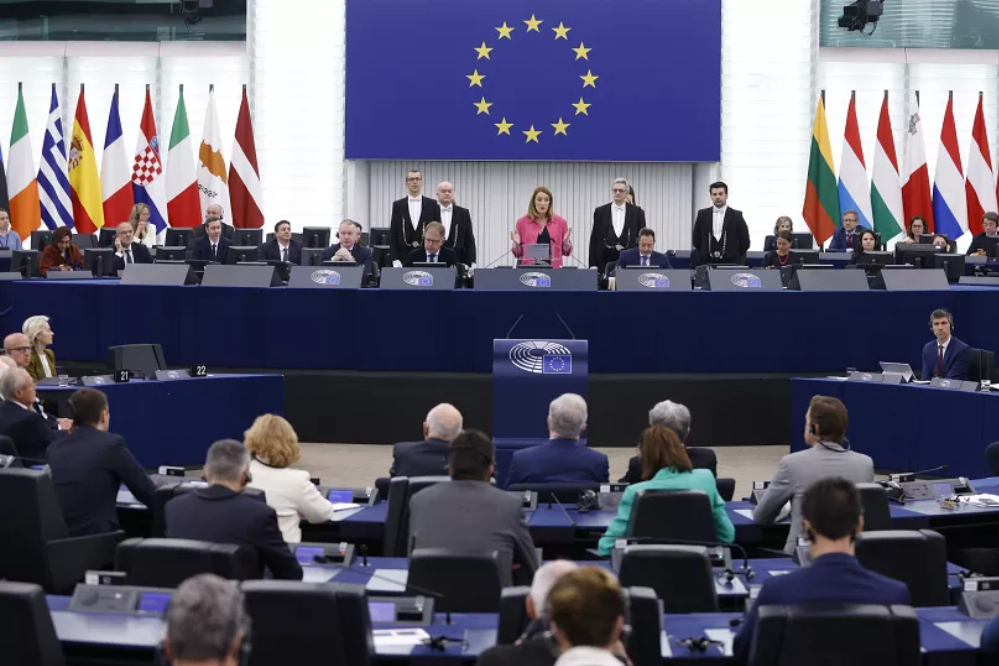
The European Union (EU) has been grappling with political, economic, and social crises that have strained internal cohesion and weakened its global role. These challenges include growing divisions among member states, internal disagreements over foreign policy, and public protests in response to economic and migration policies. This has resulted in a more passive approach to global developments and a diminished influence in the international system.
One of the EU's most significant challenges is its heavy dependence on external energy sources, particularly Russia. Rising energy prices, increased pressure on industries, higher inflation, and structural dependence on the US economy have strained Europe's economic capacity to play an active role in global affairs. European efforts to diversify energy supply sources have yet to produce sustainable alternatives.
In dealing with Iran and Russia, the EU has pursued a strategy of sanctions and political pressure. These policies may be driven by geopolitical competition and alignment with US policy, but they have not produced the strategic changes Europe seeks. The continuation of these policies is taking place amid legal, economic, and political challenges, and some member states have expressed concern over their domestic impact.
As the EU's global role declines, it now faces the challenge of preserving its standing. Its exclusion from key negotiations and reduced influence in global decision-making processes reflect a shift in the balance of power in the international system. The EU must reassess its policies to adapt swiftly to these changes if it is to preserve its position within the international order.










