







Alwaght- Normalization of Germany's diplomatic relations with Iran, according to a letter that was published on Thursday, has been tied to recognition of the Israeli regime by the Islamic Republic.
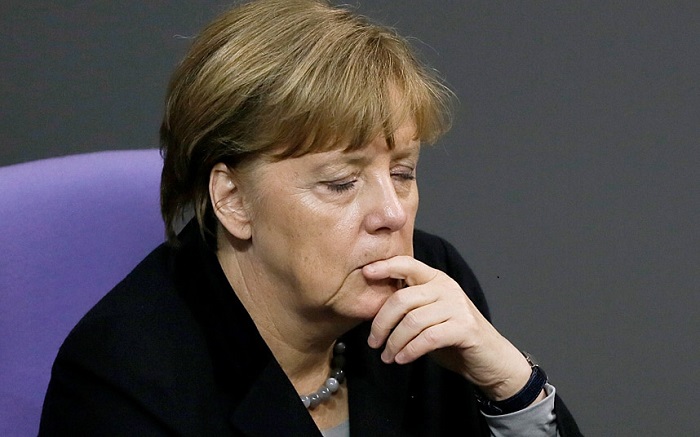
The letter that was written by the German Chancellor Angela Merkel said that as long as Tehran does not officially recognize the Israeli regime's existence, it is unlikely that normal and complete diplomatic ties with Iran be restored.
The letter addresses the Chair of the German-Israeli Parliamentary Friendship Group Volker Beck and is in response to a request by the German parliament that asked the government for an explanation about Berlin’s ties with Tehran.
The letter and the irrational conditions by Berlin are only a small part of the pressures by Angela Merkel's government on Iran for making it recognize a regime that Tehran brands “fake.” The letter, however, said that the federal government of Germany was interested to open dialogue with Iran about critical topics.
This comes while the German paper Bild in July reported that German Foreign Minister Frank-Walter Steinmeier and Minister of Economic Affairs and Energy Sigmar Gabriel, both from Social Democratic Party of Germany, wanted to invite the Iranian President Hassan Rouhani to visit Berlin in the upcoming fall. On the contrary, Volker Beck, the leader of the German Green Party in the German parliament, called on government of Merkel “not to make the mistake” of normalizing diplomatic ties with the Islamic Republic of Iran.
The German foreign minister was one of the major backers and influential figures behind Iran's nuclear deal with the West, and he several times hit out at the Israeli Prime Minister Benjamin Netanyahu for opposing the nuclear agreement with Tehran. But quoting sources in the Israeli embassy in Berlin, the Israeli daily Jerusalem Post has reported that Germany's Steinmeier in an interview said that some specific issues should not be opened to the public opinion, continuing that the issues related to the friends and allies of Germany must directly, and not through media, be told to them.
These positions by the German foreign minister have drawn criticism from the pro-Tel Aviv groups in Germany. They, for example, referred to the immediate visit to Iran by a German delegation led by Sigmar Gabriel only a couple of weeks after Iran and the global powers finalized nuclear accord, branding Berlin's positions on Tel Aviv as hypocritical.
The German government in a letter to Beck noted that the German officials told Iran about their conditions which demanded Iran to recognize the Israeli regime, and at the same time condemned Tehran’s missile tests as well as threatening Tel Aviv. Merkel's administration also in the letter has raised human rights cases in Iran and added that the human rights conditions saw no improvement after President Rouhani took office.
Aside from these all, a look at the figures and the status of trade between Iran and Germany show that the German exports to Iran following nuclear deal and lifting of the economic sanctions in the first half of this year were increasingly boosted. The report by Reuters suggested a 15 percent rise in German-Iranian trade in comparison to last year this time, adding that the volume of trade touched €1.13 billion.
But as it appears, the pressure groups and Zionist lobbies that even penetrated the German parliament are aiming at setting up essential hurdles in the way of diplomatic rapprochement between Iran and the Western countries. But the key point is that without doubt the West so far understood well that the Islamic Republic wouldn't recognize the Israeli regime under any circumstances.
Therefore, the Western leaders to steer clear of the Zionist lobbies' heavy strains find no other way but taking fluctuating stances on the issue. In fact, Angela Merkel's letter to Volker Beck comes while the evidences prove that Berlin and other European states are restoring and normalizing diplomatic relations with Tehran.
This point clarifies the pro-Israeli lobbies' criticism of the Western governments' stances on Iran. The Western countries after several decades of testing different types of pressures on the Islamic Republic found out that threats could not yield desirable results for them so they chose to open a new window for cooperation and partnership with Tehran.
But to save face in front of the public opinion and also quiet down the criticism and pressures of the Zionist lobbies in their countries, the Western leaders sometimes shift from their official positions and so play their marginal roles.