



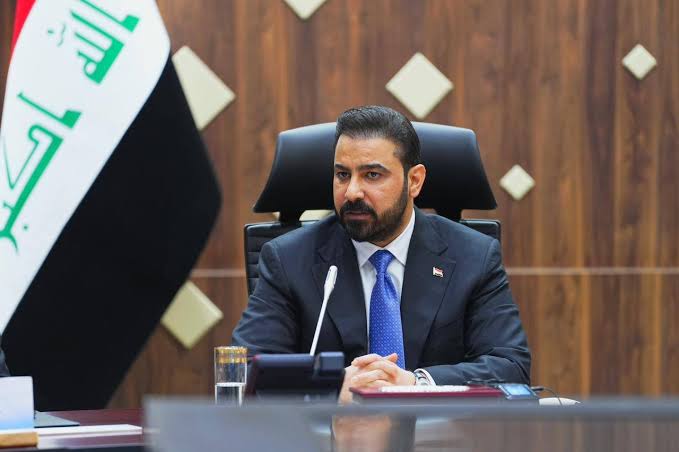


Alwaght- The new Iraqi Prime Minister Ali al-Zaydi who has recently made an important political and propagandistic splash by his daring, unprecedented anti-corruption campaign, this time has broken the tradition choosing the US as the first destination of his first trip since he took the office later in April. He flew to Washington to meet the US President Donald Trump on Monday, a move aimed at highlighting the importance of the relationship between the US and Iraq and also securing Trump's support for the new cabinet.
During this short time of taking the office, Al-Zaydi was praised several times by Trump's administration. Phone conversations were held with him by Trump and the War Secretary Pete Hegseth. Also, positive the US Envoy to the region Thomas Barrack gave him positive mark, calling al-Zaydi a "new leader" with "daring and new agenda."
To show support to the government of al-Zaydi, the US even resumed petrodollar deliveries to Baghdad. The US oil sales money has been held in a bank account of the Department of Treasury in New York since 2003. This is of significance to Iraq since dollar injections will decisively offer economic, and consequently, political and social stability. 95 percent of the Iraqi national income comes from oil sales.
The rise to power of al-Zaydi bears some similarities to Trump's. Al-Zaydi is businessman with no political work records, with some calling him the "Trump of Iraq."
Iraq-US agreements during the visit: From oil and gas to communications
With both sides ready to expand economic ties, a major chunk of this visit’s agenda is built around broadening bilateral cooperation.
On that front, al-Zaydi, in an op-ed published in The Washington Post ahead of his trip, said: “I want to shift the relationship from crisis management to opportunity creation, especially opportunities with measurable economic impact. In my meeting with President Donald Trump, I will lay out concrete pathways to turn this vision into reality.” He stressed that he expects talks to zero in on expanding US investment in Iraq’s infrastructure, industry, technology, and digital economy.
During the visit, both sides are expected to ink deals covering an array of areas, including expanded cooperation with US energy firms, a boost in Iraq’s crude production capacity, development of Iraq’s natural gas sector, and the creation of alternative export routes to reduce dependence on the Strait of Hormuz.
Al-Zaydi appears to see the oil sector, given its built-in allure for US companies, as a solid first step for drawing American investment and deepening economic ties with Washington.
"We have instructed the ministries of oil, electricity, and communications to give priority to reputable US firms active in energy, telecoms, technology, and development," he said ahead of his trip.
According to Reuters, citing another statement from al-Zaydi’s office, his government intends to ramp up oil production “significantly” within three years. Reuters also quoted several lawmakers as saying the energy initiatives are aimed at sending Washington a clear message: that Iraq, after years of security fears, bureaucratic hurdles, and legal disputes, is turning into a more attractive destination for international investment.
On the eve of the visit, the PM's office spokesman Haider al-Aboudi said: “The agreements to be signed will include several memoranda of understanding (MoUs) in oil and gas, as Iraq is gearing up to draw in various US companies that have an incentive to help boost production capacity.”
In his op-ed, al-Zaydi highlighted oil and gas as a centerpiece of talks with Washington, writing: “With one of the world’s largest proven oil reserves, abundant natural resources, a skilled workforce, and a sizable domestic market, Iraq has what it takes to become a leading regional economic hub.”
Details of the contracts al-Zaydi has taken with himself for proposing to the US investors are yet to be announced officially, but according to the news reports of the Iraqi media, the agreement on expanding Bin Umar and Sindbad oilfields and increase of gas production was signed with Halliburton. Also, negotiations are already underway with Chevron over transferring management and development rights for the West Qurna-2 and Nasiriyah fields, as well as several exploration blocks in Dhi Qar and Balad. It is worth noting that the Chevron talks have become a centerpiece of Iraq's overall strategy. Earlier this year, Chevron replaced Russia's Lukoil as operator of the giant West Qurna-2 project, potentially giving the US major a grip on one of Iraq's most prolific energy assets.
Baghdad is also in talks to bring ExxonMobil back into the Majnoon field and expand its activities there.
Meanwhile, alternative export route projects, aimed at reducing Iraq's dependence on the Strait of Hormuz amid regional tensions and supply disruptions, are firmly on the table in the broader economic negotiations between the two countries.
Al-Zaydi is also expected to sign several other agreements, including a deal to set up a fund that would see Iraq deposit half a million barrels of oil per day in exchange for US assistance in boosting its electricity generation.
Multiple additional MoUs and deals with major US energy firms are slated for this visit as well. Some of these, long in the pipeline, stand to benefit American companies, including recent initiatives already greenlit by al-Zaydi's cabinet, such as an agreement with US-based HKN Energy to develop the Hamrin oil field in northern Iraq. The government has also authorized the electricity ministry to finalize a comprehensive cooperation deal with General Electric aimed at expanding Iraq's power generation and transmission infrastructure.
Opponents worried about deeper US influence in Iraq's economic structure
While al-Zaydi is pushing to respond to the American demands and so maintain Iraq in the path of strategic relationship with the US, this government approach has drawn serious concerns and opposition inside Iraq. Critics argue that the White House expects being granted the right for further interference in the Iraqi home and foreign policy and that al-Zaydi's government is demanded to convince Trump that it is willing and able to meet several American demands.
Take, for example, the Trump administration's agenda in Iraq. It is essentially defined by its broader policy toward Iran. Al-Zaydi's government has been walking a tightrope between Tehran and Washington, especially amid the recent military escalation between the two. But that balancing act is not sitting well with the Americans.
Undermining Iranian influence in Iraq is a core Trump administration objective, and disarming the resistance factions opposed to the American occupation of Iraq ranks high on the White House's priority list, followed closely by reducing Iraq's dependency on Iranian gas and electricity. Washington has made disarmament of these groups a precondition for deeper defense and economic cooperation, and it flatly rejects any role for resistance-affiliated parties in the government.
Ahead of his trip, Al-Zaydi issued a deadline, September P30World, for disarming all groups operating outside state structures. Coincidentally, that timeline aligns with the withdrawal deadline for US-led foreign military forces from Iraq.
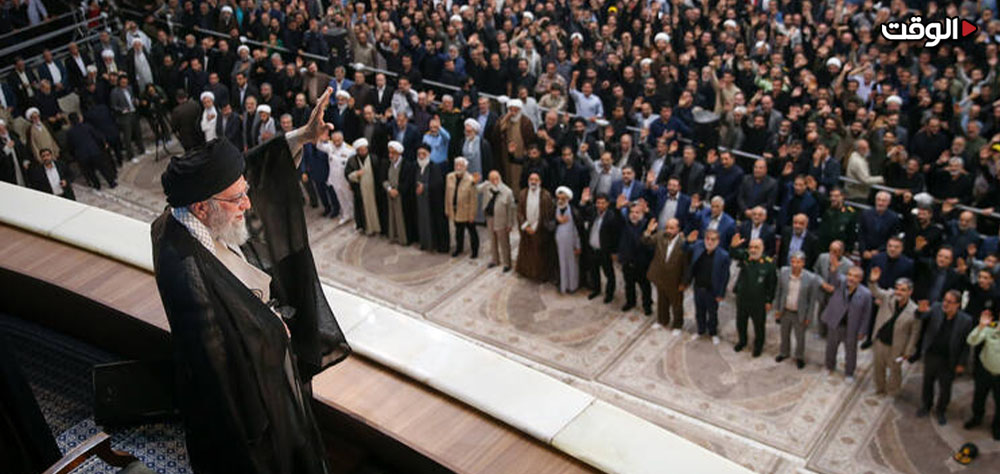
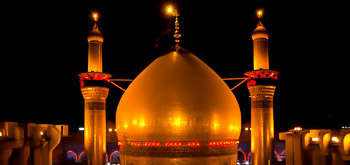
That order has already driven a wedge between the resistance factions. Leaders of three groups, Asa'ib Ahl al-Haq, Kata'ib Imam Ali, and Saraya Al-Salam, have signed on to the demand. But six others have balked, conditioning compliance on a full end to American occupation. The discontent among these factions over the new policy could spell trouble for al-Zaydi's fledgling government, given their grassroots popularity and significant political clout in Baghdad, they are, after all, the core coalition that put him in power. The recent massive funeral processions for the martyred Leader of Iran Ayatollah Sayyed Ali Khamenei in Iraq's holy cities of Najaf and Karbala offered a striking display of popular support for the resistance discourse.
Critics, for their part, argue that deepening US influence over Iraq's economic sectors is handing Washington ever-greater leverage to meddle in the country's internal affairs. They warn that Iraq's political, and even social, stability is becoming hostage to the White House's growing list of demands on successive Baghdad governments.
The White House has already shown it is willing to weaponize that leverage. Back in April, Washington froze dollar shipments to Iraq and suspended security cooperation.
Trump, meanwhile, had openly campaigned against Nouri al-Maliki's previous bid for office, branding him too close to Iran and threatening to cut support if he returned to power.
So, Al-Zaydi's trip to Washington is a subtle test for his fledgling government. He has to create balance between two opposing aims: win Trump's contentment through major economic and security cooperation to ensure flow of petrodollars to Baghdad and secure political support of the White House or maintain home political stability and meet the demands of the resistance groups and powerful political currents that are opposed to American influence in Iraq.