















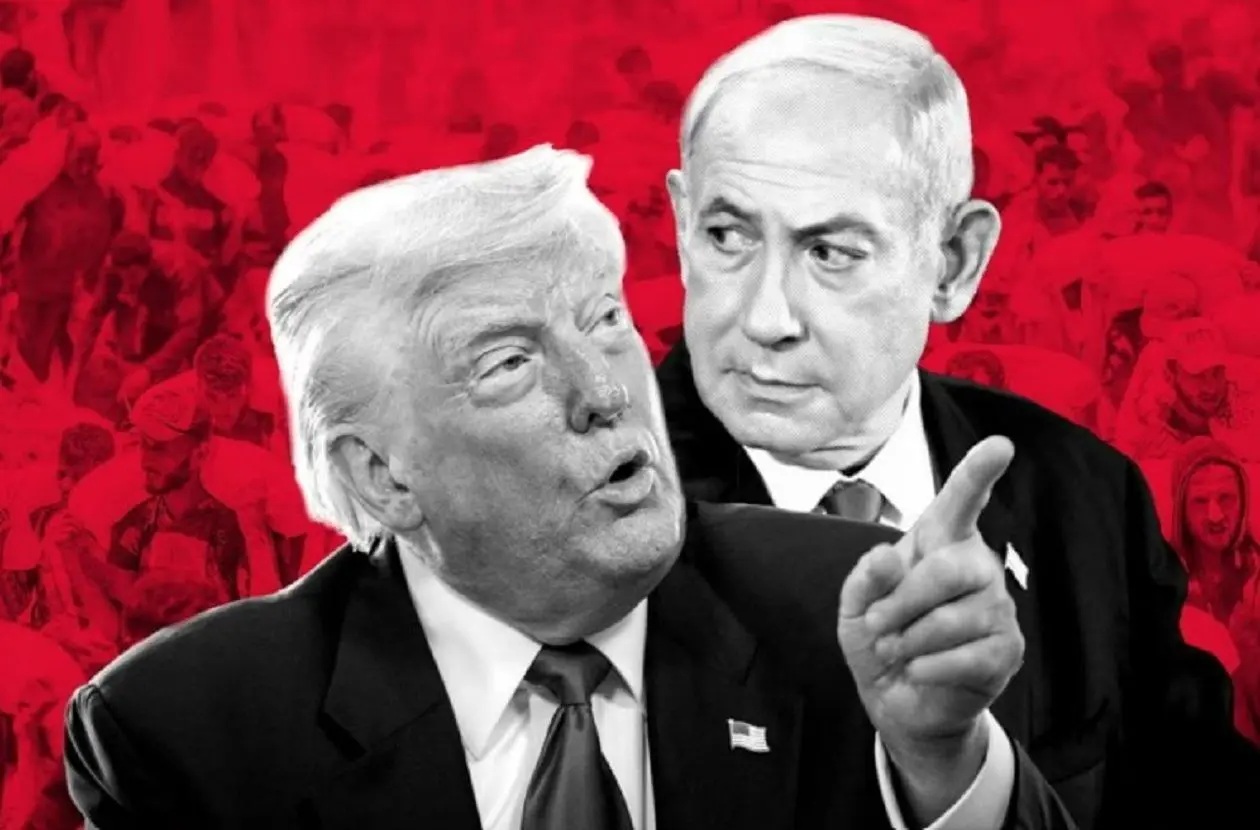


Alwaght- While the talks between Iran and the US have reached signing a memorandum of understanding (MoU) to end the war on all fronts and this announcement was enough to send a political and media shockwaves across the Israeli regime and even some accuse Trump of betraying of his closest ally Netanyahu, some analysts are presenting a different narrative of what is unfolding, calling it a kind of tactical convergence between the US president and the Israeli prime minister, something that can ease the now open tensions between Washington and Tel Aviv over Iran case.
Available evidence shows that, unlike in previous periods, the divisions between Trump and Netanyahu over how to handle Iran have become unusually public.
Axios reports that the US president has expressed frustration with some of Netanyahu's moves, believing certain Israeli decisions could jeopardize the path to a deal with Tehran.
Meanwhile, analyses in outlets like The Guardian and Al Jazeera also point to diverging interests between the two leaders. According to these assessments, Trump is above all seeking a diplomatic victory, a way to end the political and economic costs of the Iran war, while Netanyahu remains deeply skeptical of any agreement that, in his view, fails to impose sufficient limits on Iran's nuclear program, missile capabilities, and regional networks.
At the same time, recent reports indicate that despite criticizing aspects of the talks, Netanyahu has avoided a direct confrontation with the White House. Even critics of the deal in Tel Aviv acknowledge that Netanyahu is currently refraining from open, all-out opposition to Trump, a sign that he may be trying to manage the disagreements behind closed doors.
In this context, some political observers suggest that an informal "quid pro quo" may be taking shape between the two leaders, not necessarily a written agreement, but an understanding aimed at managing political costs.
However, no credible document or confirmed report has emerged linking Netanyahu's legal troubles to his stance on the Iran deal and that remains firmly in the realm of political speculation.
The key point is that Trump faces opposition to any Iran deal from within his own party and from Israel's traditional US allies, making the path forward anything but smooth.
An analysis by Reuters shows that any possible deal with Iran can expose Trump to attacks from home hardliners, something increasing his need to de-escalate with Tel Aviv.
This taken into consideration, what is currently visible is less a secret deal and more a tactical convergence between Trump and Netanyahu aimed at capping political costs. Trump needs a diplomatic win, and Netanyahu finds himself in a position where escalating tensions with Washington could weaken his standing both at home and across the region.
However, the lack of hard evidence about behind-the-doors agreements, combined with the persistent strategic divides between the two on Iran, makes it difficult to view this as a lasting coalition or a done deal.
Finally, it should be said that the existing evidence talk about "controlled disagreement" between Trump and Netanyahu, not a full alignment or a proven deal. Any link between Netanyahu’s judicial cases and his stances regarding Iran deal, until credible evidence emerge, should be treated as analytical hypotheses rather than established facts.










